MA Choreography and Performance
Justus Liebig University Gießen — In progress
BA Agricultural Engineering (Soil Sciences)
Islamic Azad University, Karaj Branch
Choreographer — Multidisciplinary Artist
Iran · Germany
ScrollAbout
Morteza Zarei is an Iranian choreographer and multidisciplinary artist whose practice is rooted in social engagement and collaborative creation. Born in Tehran in 1991, Zarei began his artistic journey as a theatre actor before expanding into performance and dance, participating in a wide range of projects as a performer and dancer. His work spans choreography, participatory performance, and community-based art, with a focus on amplifying the voices of marginalized individuals and communities.
He has collaborated with a wide range of groups, including individuals affected by leprosy, children with cancer, child laborers, people with Down syndrome and autism, the d/Deaf community, and athletes such as volleyball players. His work aims to reconnect diverse social groups through movement and shared creative experience.
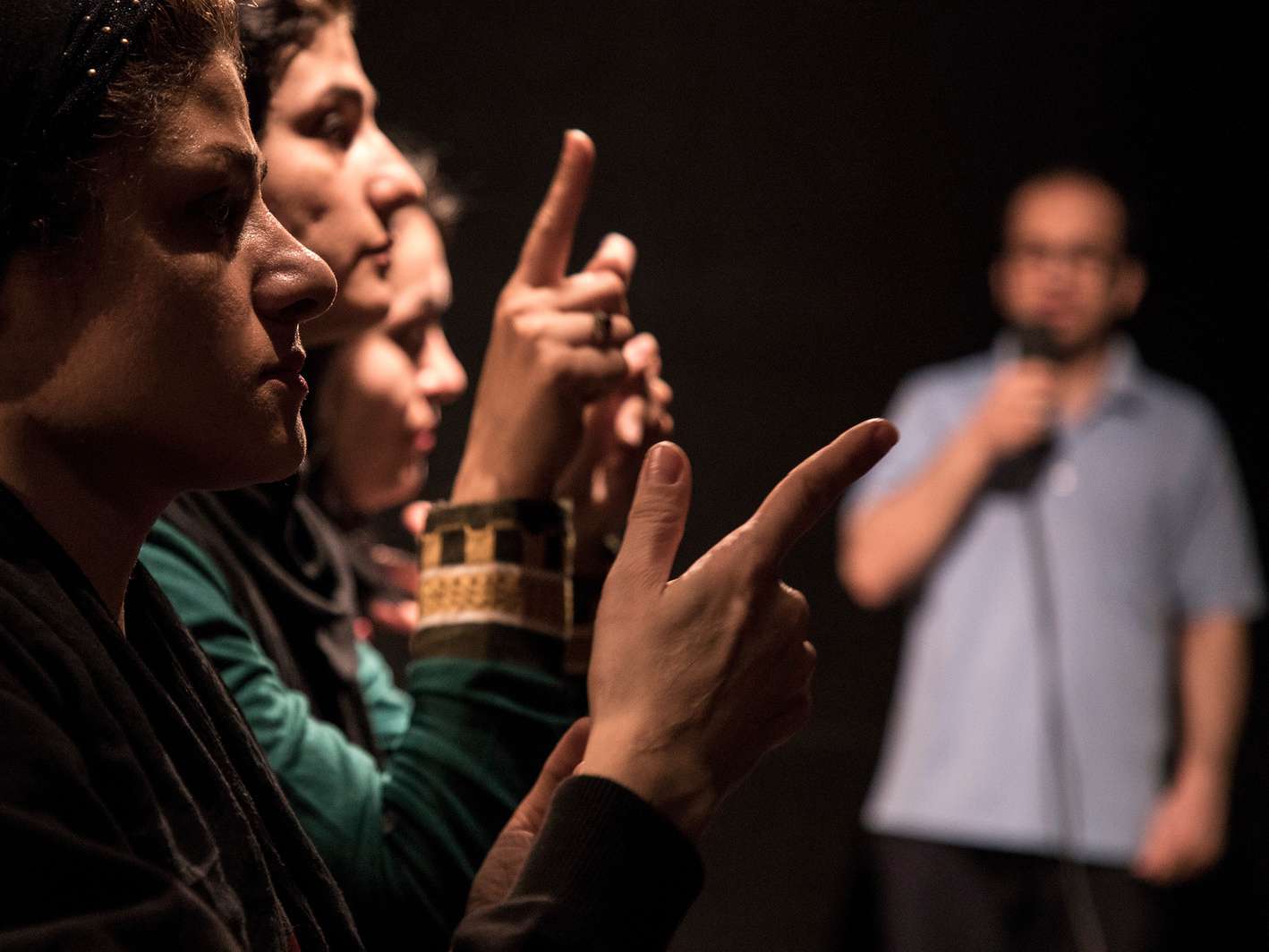
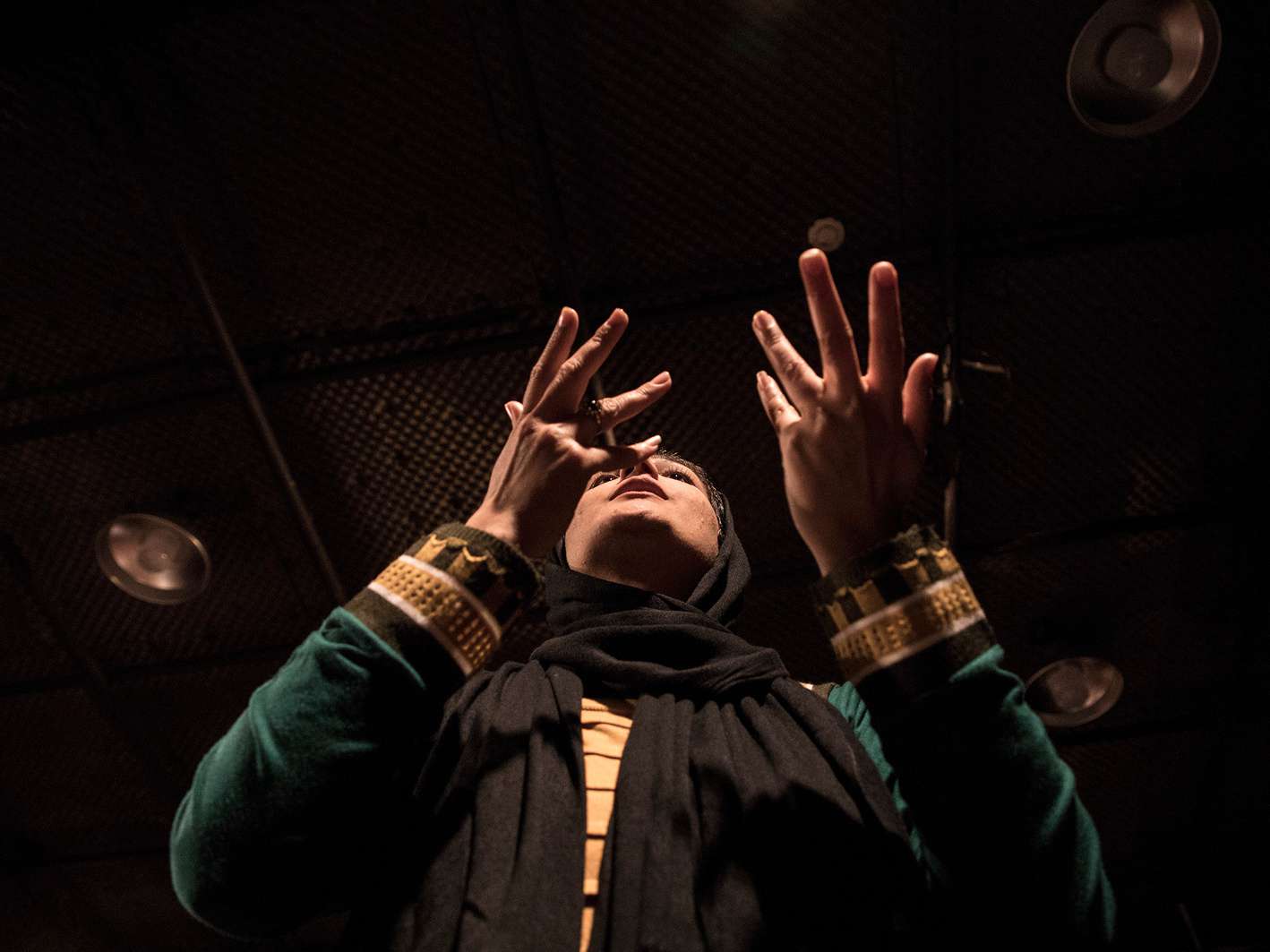
In 2019, Morteza created Opera No. 01 #Tehran, a choreography based on Persian Sign Language, developed in collaboration with d/Deaf performers. The piece explored the relationship between sound, silence, language, and poetry. It received the Best Performance Award at the 37th International Fadjr Festival.
In 2024, he was awarded the Pina Bausch Fellowship, which enabled him to work with Sidi Larbi Cherkaoui and develop his ongoing project Show and Marginalized Bodies. His artistic research continues to investigate how performance can serve as a bridge across social divides, creating inclusive spaces where every participant is recognized as an artist.
Morteza is currently based in Germany, pursuing a Master's degree in Choreography and Performance at the University of Gießen.
Choreography
Part of the long-term "Show" series.
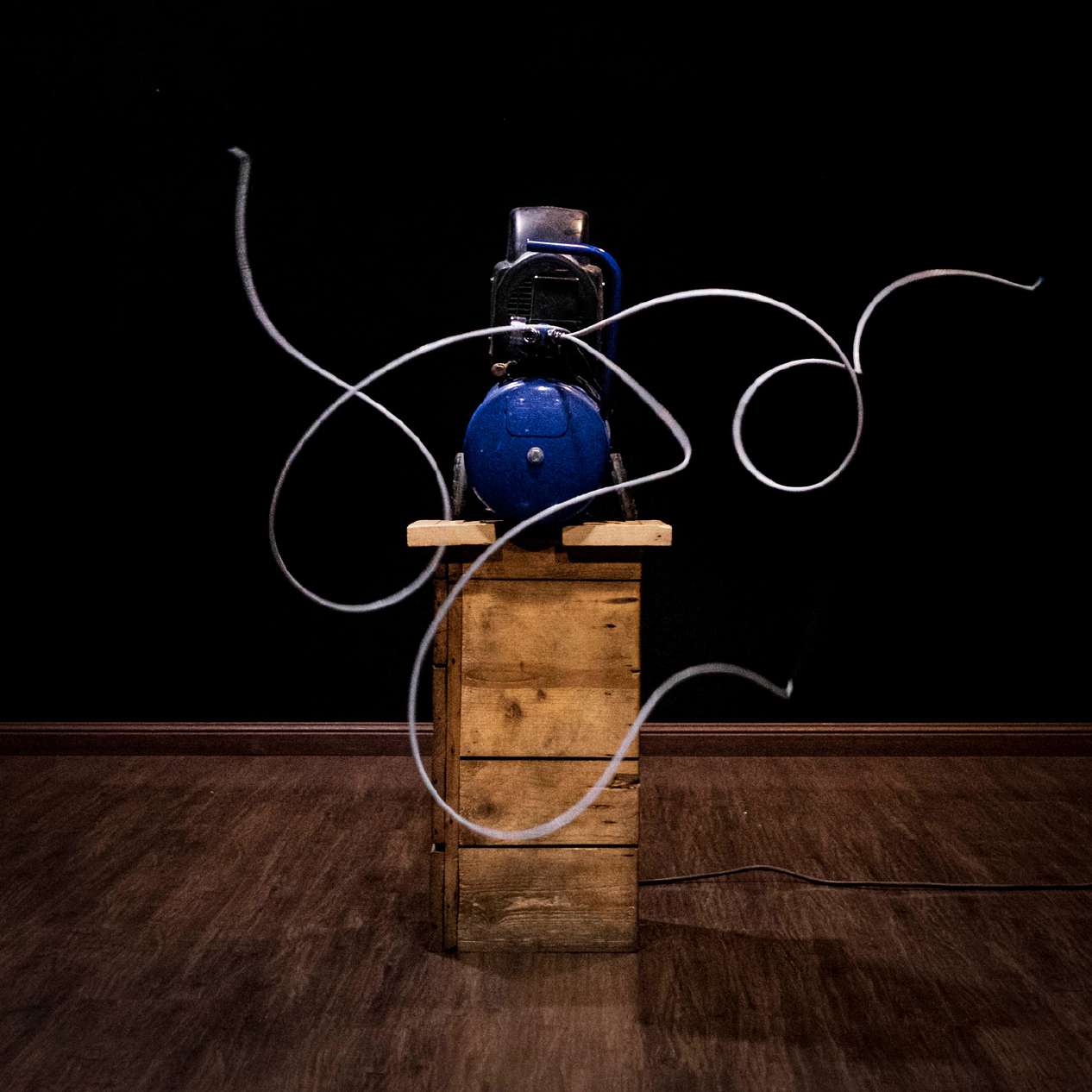
Dance No. 02 is one of the performances in the long-term "Dances project" where I delve into choreography with non-human bodies. I believe all artworks function as intricate systems, composed of several simple or complex subsystems. Each of these subsystems has unique languages and vocabularies that, in interaction, generate new linguistic expressions, forming systems through the fusion of languages and vocabularies. In this choreographic performance, I construct a system based on improvisation, involving elements like an air compressor and a flexible hose. The system I design carefully selects an appropriate platform (spacetime) for presenting the piece. Moreover, it integrates two ready-made systems that act as performers with their own linguistic instructions (the choreography of the hose's accordion-like movements during the compressor's inflation and deflation process) to engage in real-time improvisation on the stage. This performance took place in 2023 in the central studio of Tehran, performed for a limited number of spectators.
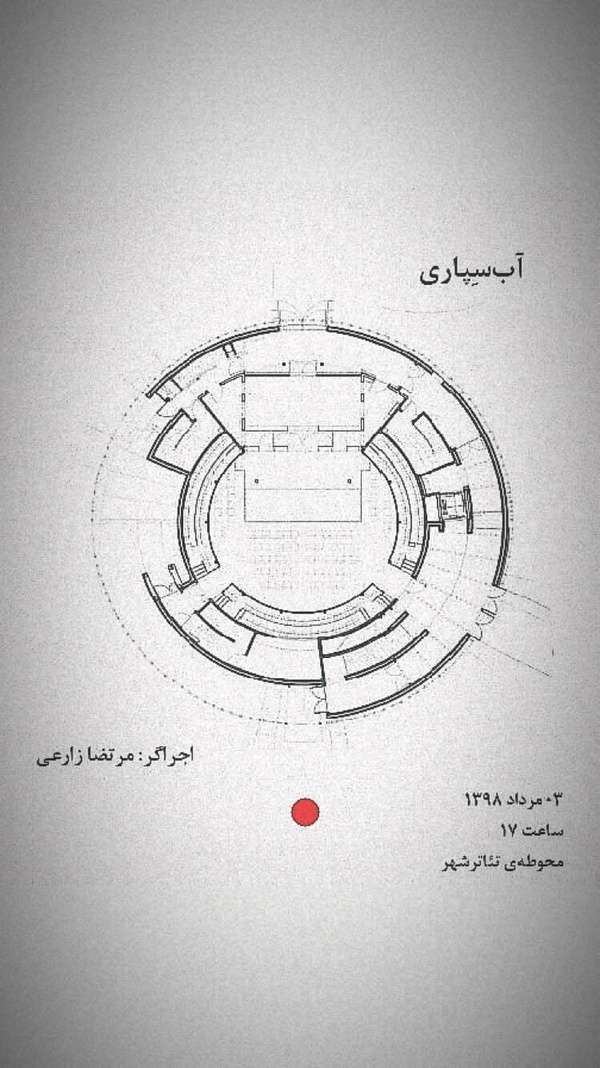
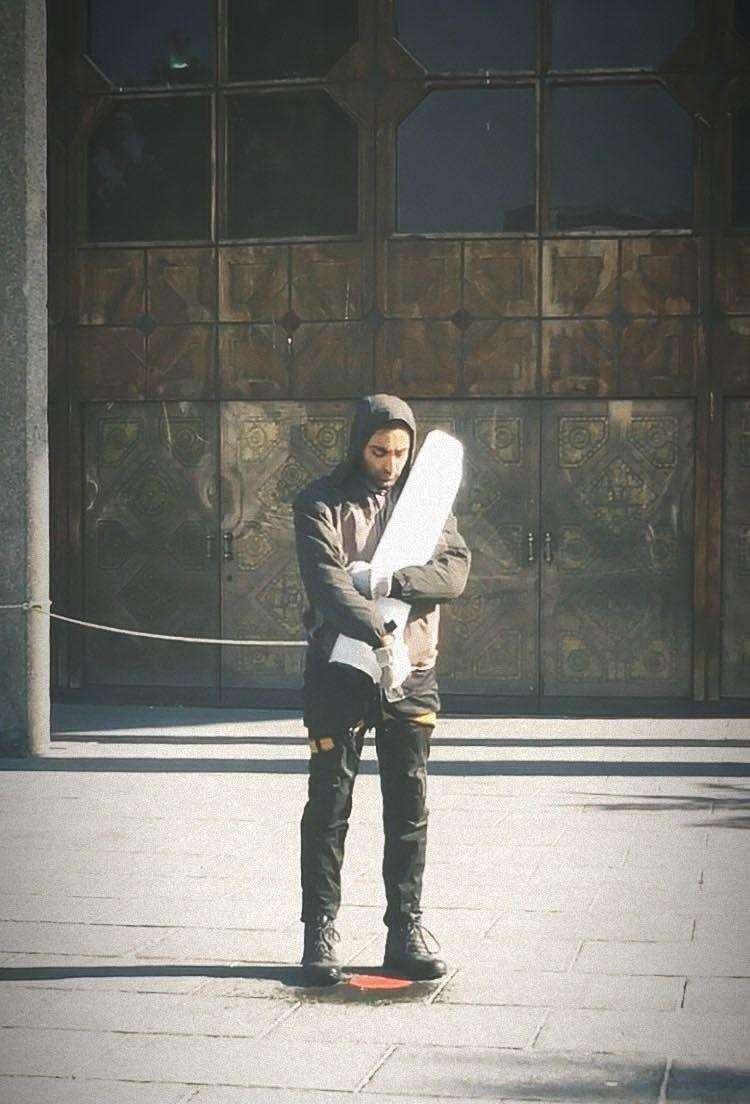
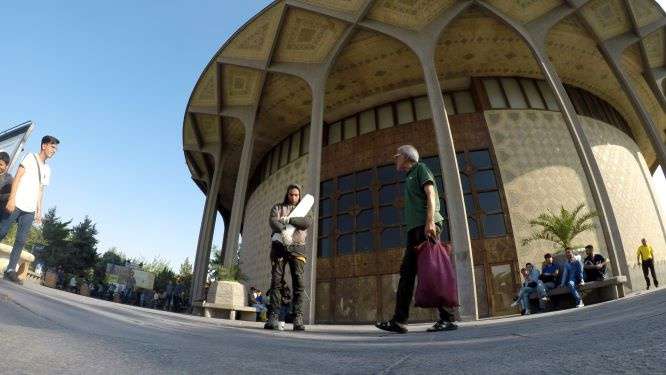
In summer 2019 I performed Absepari. I had a vision of myself in a very hot summer wearing winter clothes, holding an ice block in my arms and connected to one of the columns of the Theatre Shahr with a harness and rope. I had personal motivations that made everything about the performance clear to me, but I didn't want to convey my motivations conceptually to others. I only thought that my performance in an urban environment would act as a dam that would probably break the common spatial connection and cause disturbance. This spatial connection is such that no element can pass without interacting with the show (whether forced or voluntary).
Now this connection can be a simple look, standing, talking, trying to participate, or anything else. The only point was to disrupt the architecture and space in a way that is impassable, just like a dam! The form I was creating in relation to the environment was not negligible. The year I performed Absepari was the year one of my friends committed suicide and I found a title for this performance; Absepari!
Absepari in Persian language is exactly according to the grammatical rule of the word 'Khaksepari' (a ceremony in which a person is buried in the ground). I was holding an ice block that was constantly melting and consigning something to the water. In this performance, the most important concept for me was contradiction. Contradiction between winter clothes in summer, contradiction between melting ice and holding it, and contradiction between life and death! This performance lasted for an hour and I did not perform it again.
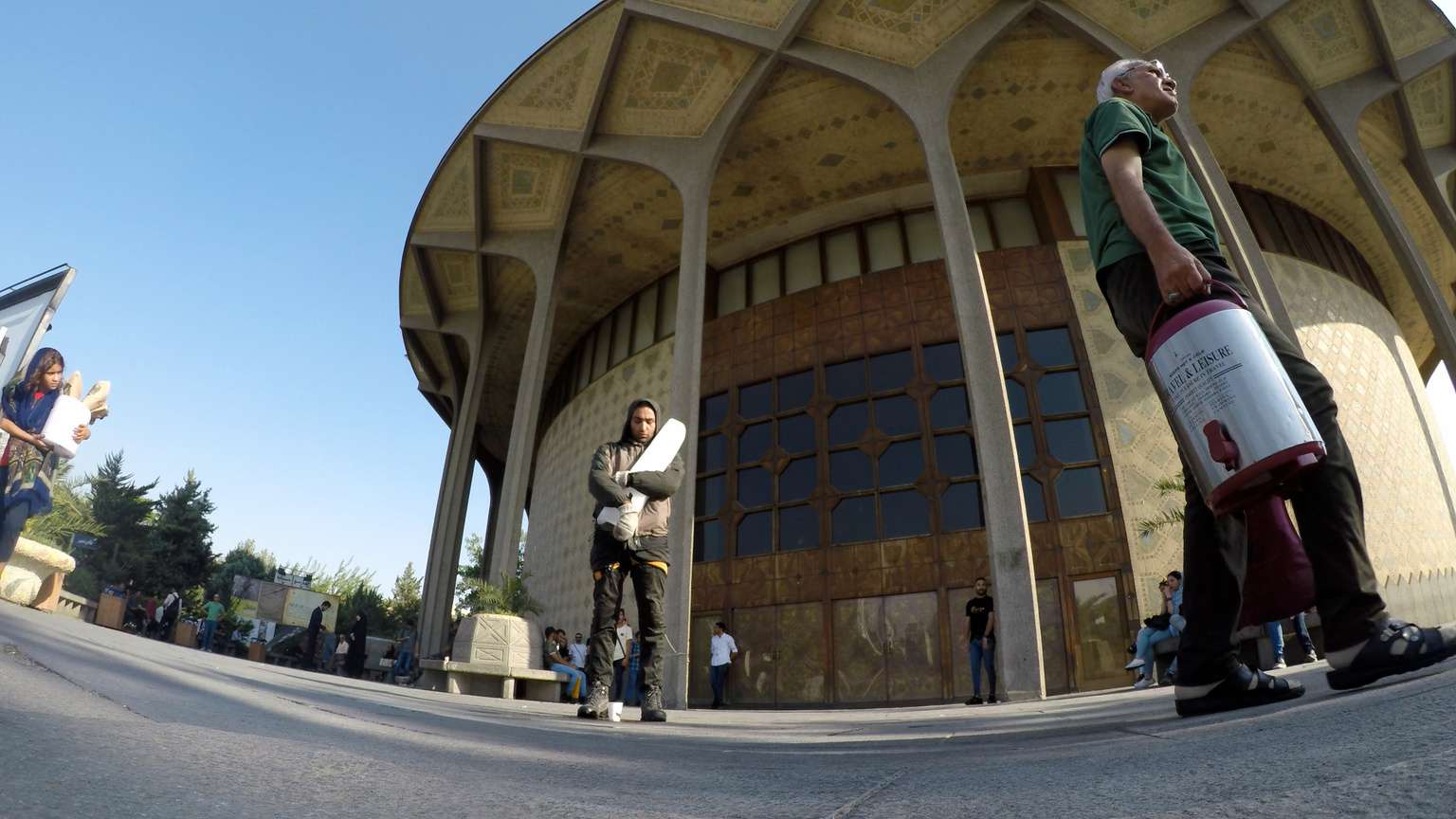
Me and Amir, through our friendship and collaboration over the past few years, decided to collaborate on a piece of work. One day while discussing the production process, we realized that we each take different paths in the creation of our works. He starts with concepts and I begin by constructing new concepts from forms. In this joint project, we decided to reverse our approaches. We also decided that this collaborative work should interact with the architecture. We walked down the streets and observed the urban spaces, knowing that this performance would take place in an outdoor environment.
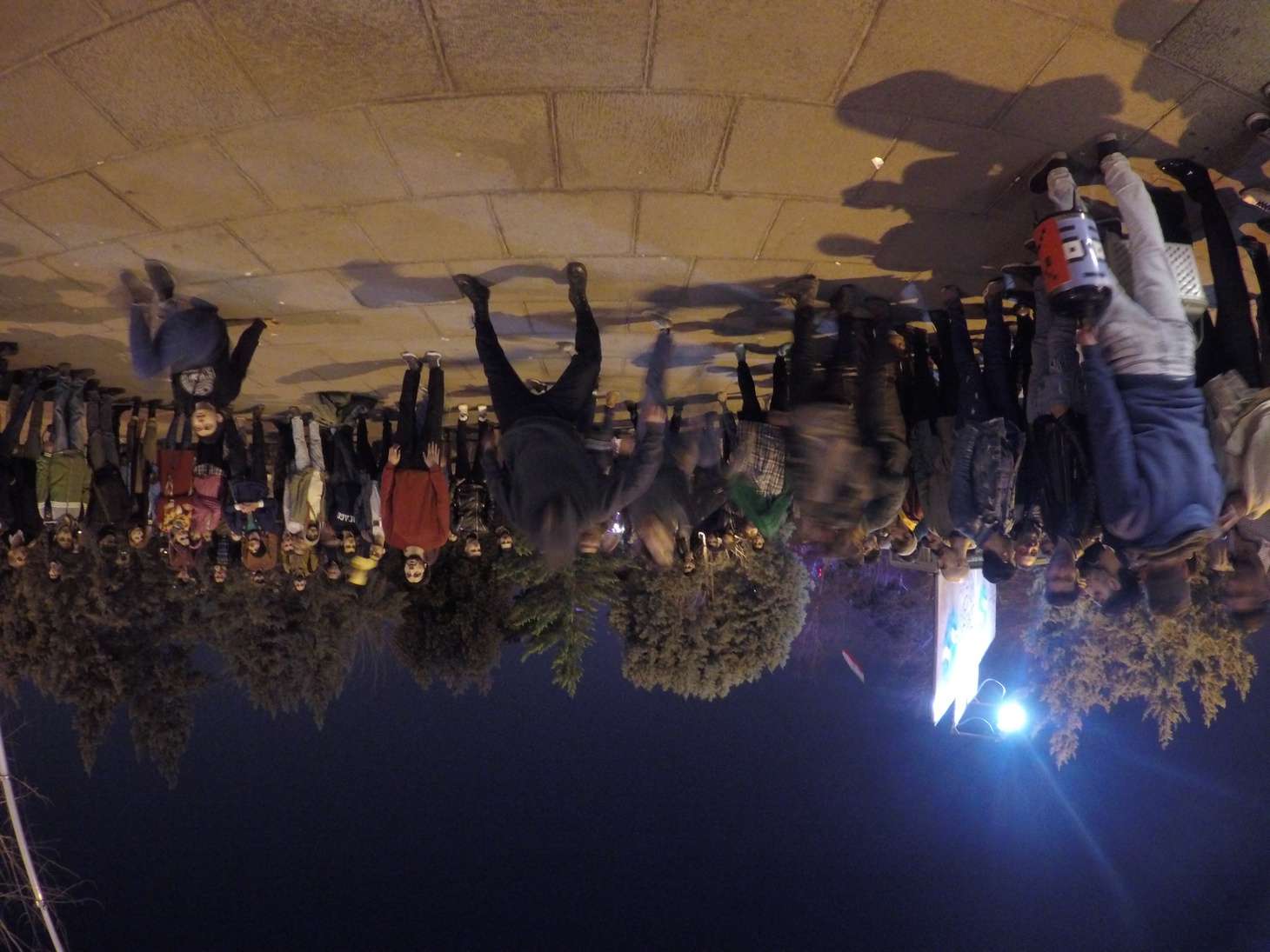
We went to Valiasr Street and our attention was drawn to the Theatre Shahr building. While we continued our observation, we noticed the small tags with abstract lines on the wall. We counted them and there were 56 tags. At that moment, we decided to have 56 performers. The performers would stand in front of the wall and place a red sticker under their feet, and move based on the unique pattern of lines on each tag.
Every year during the International Fadjr Theatre Festival, there are groups performing around the Theatre Shahr building. For this reason, it is not possible for police to determine which performance does not have a permit. Dancing is informal and illegal activity in Iran. That's why we didn't have a permit to perform in the city. The promised day arrived. Each performer had a round red sticker, which they stuck on the ground in front of the labels on the wall, put on headphones, and started the show. It started instantly and ended after about 30 minutes for security reasons. After that, ordinary people who were watching the performance stood on the performer's stickers and tried to move their bodies based on the movement pattern of the performers.
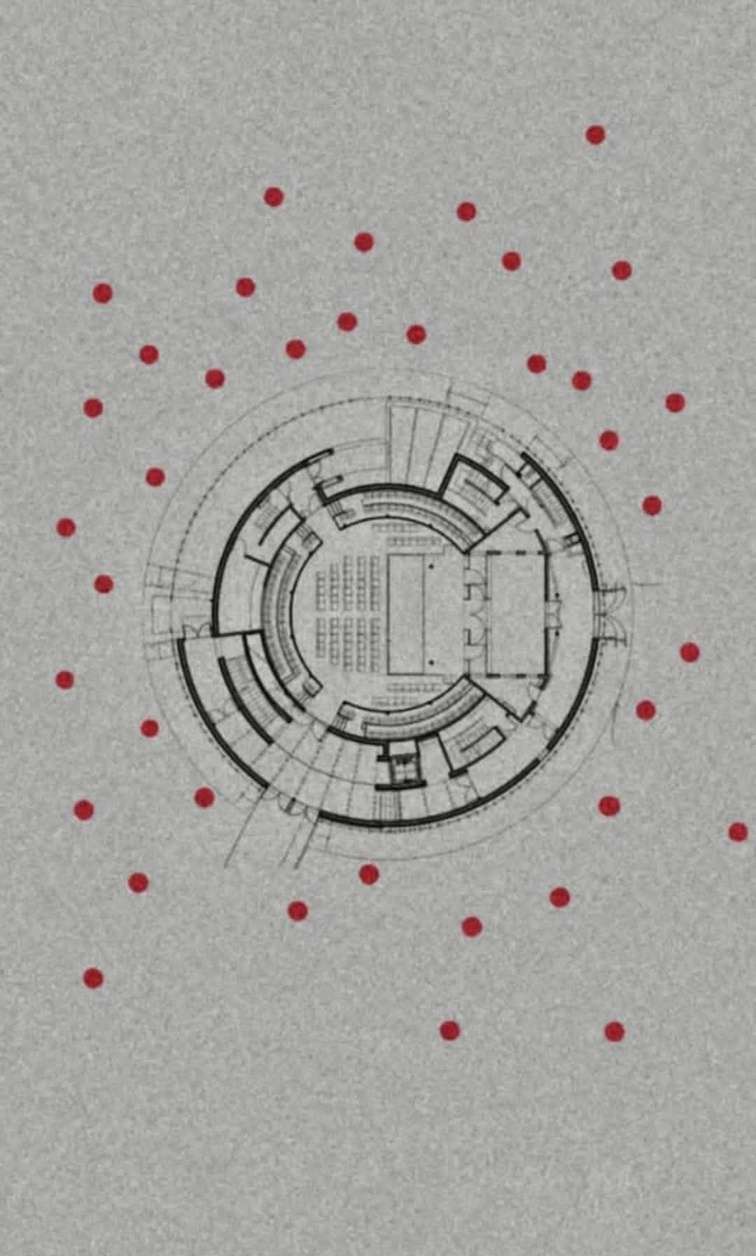
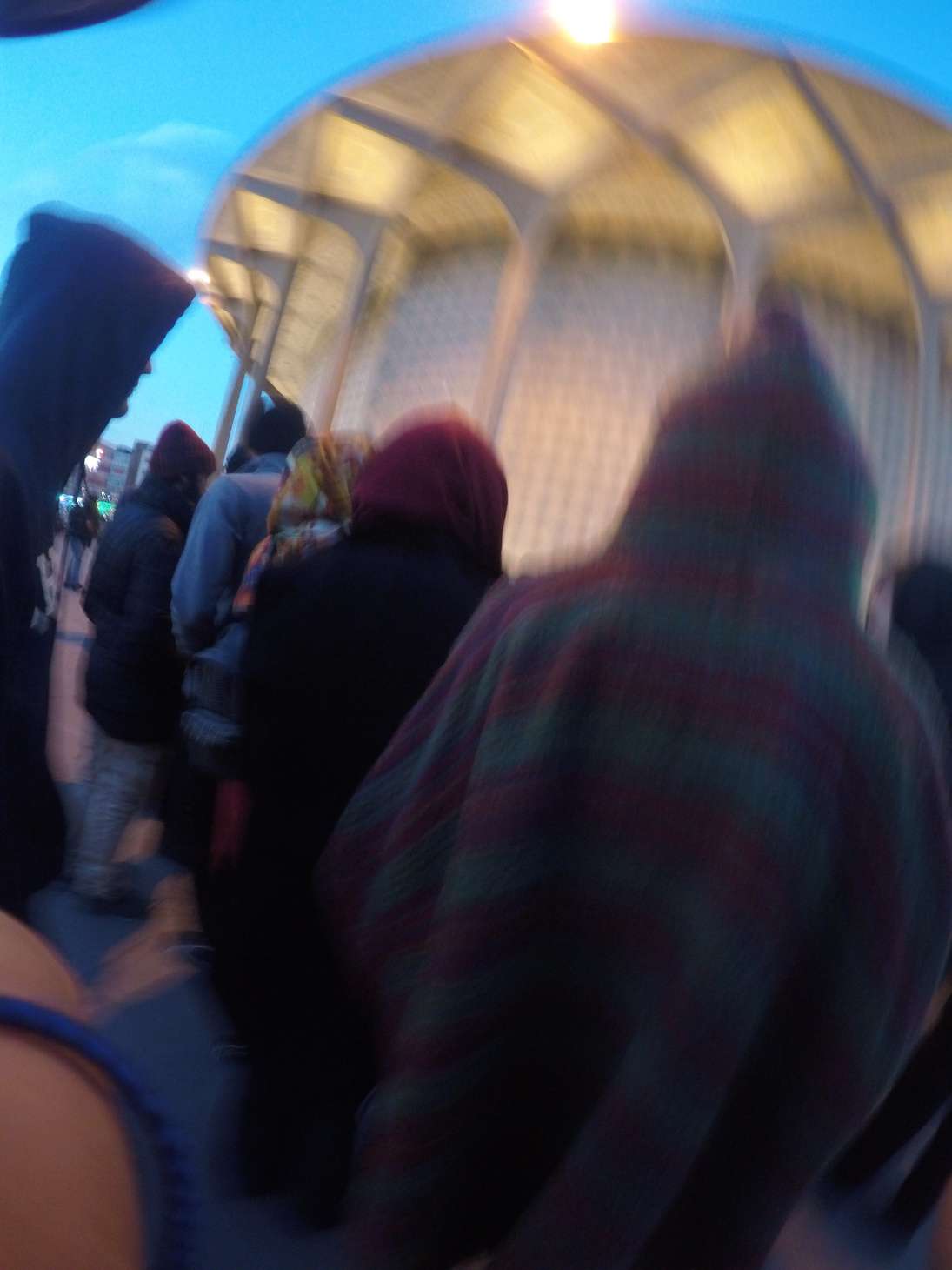
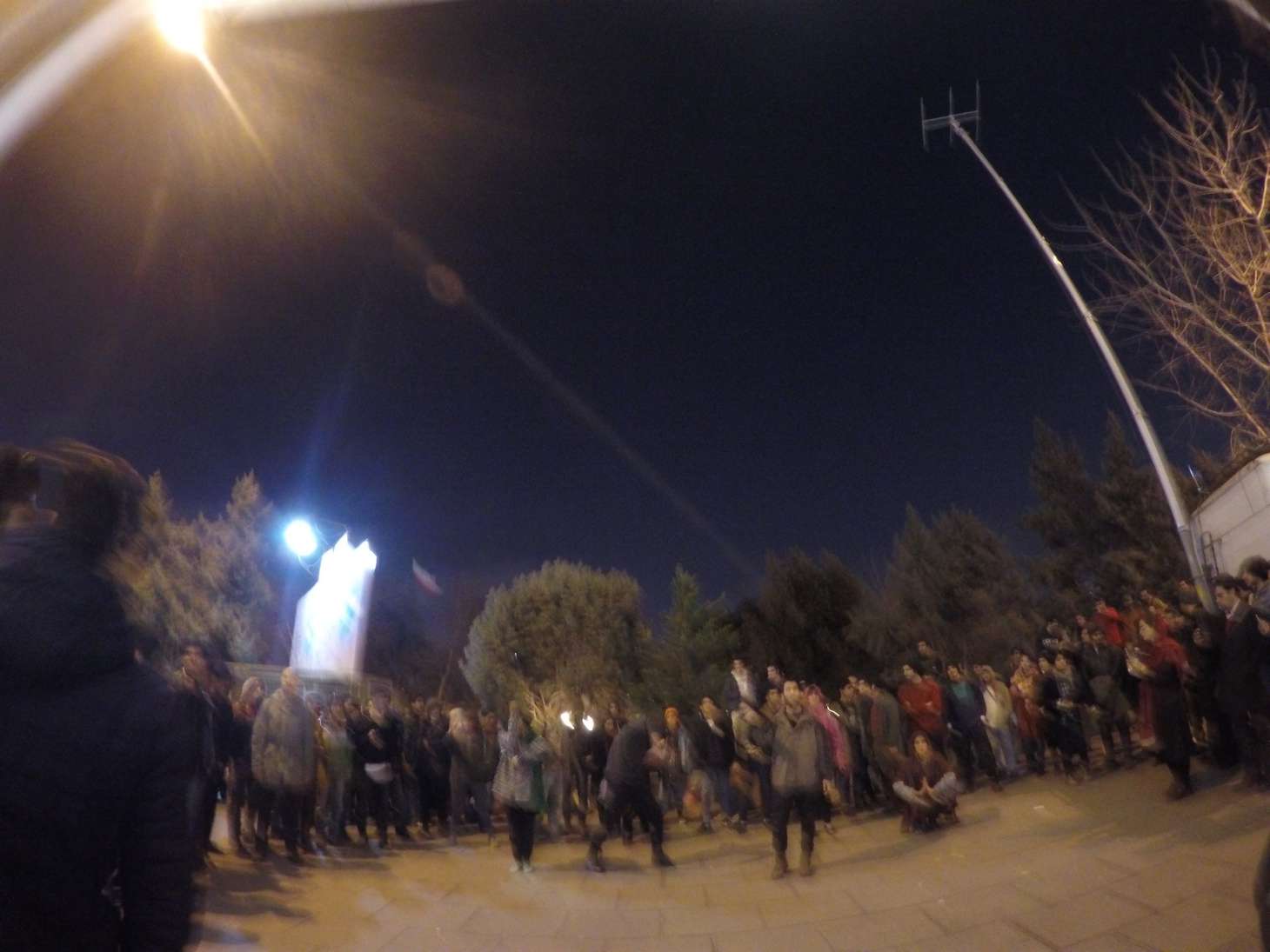
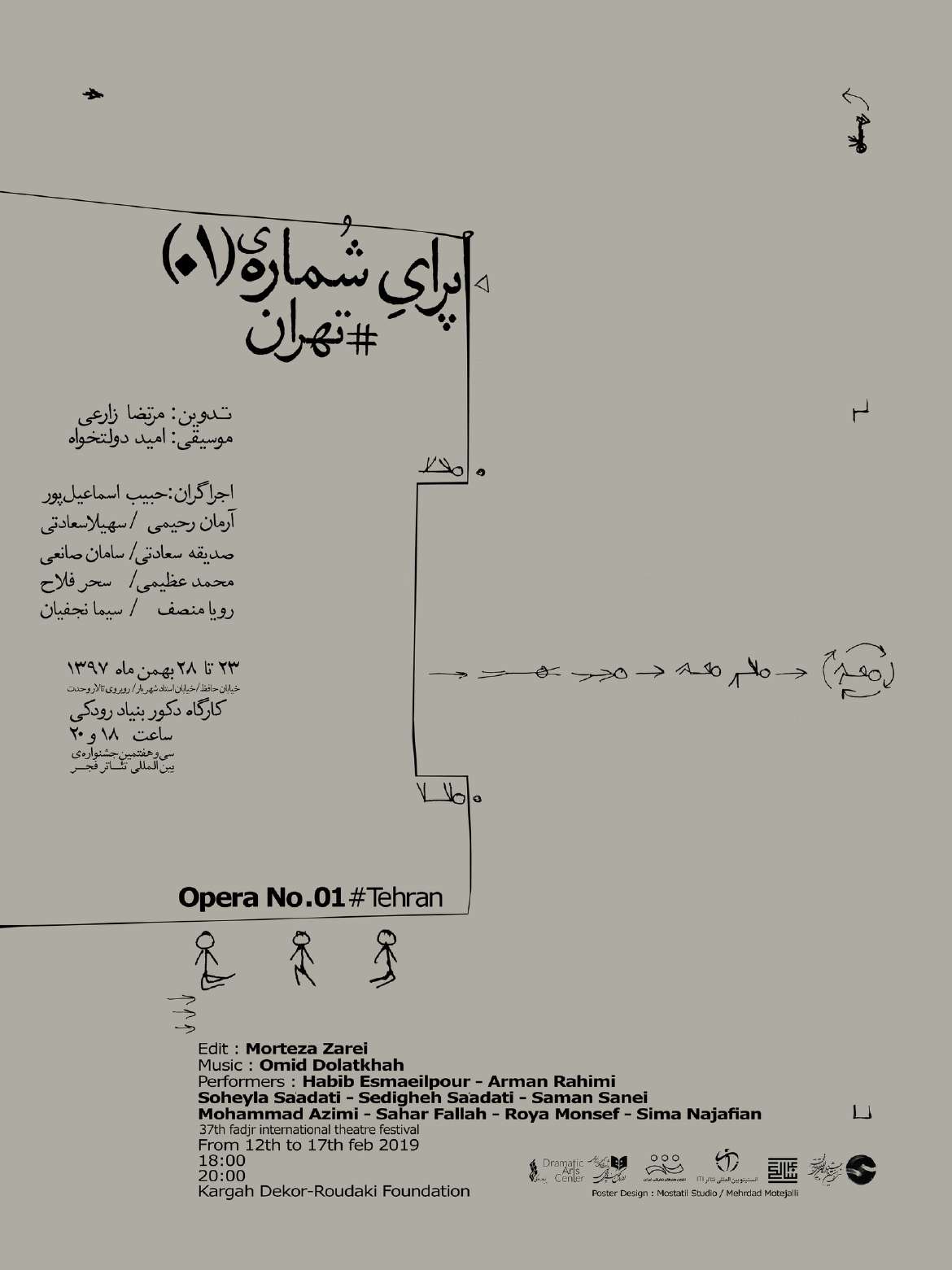
Opera's choreography is based on language — a sign language that emerges through movements, particularly hand movements. Since the brain's cognitive structure is based on language, choreography also takes shape based on language. Opera has a linguistic identity that is linked to the body and conveyed through the body.
The important point in language use is the issue of grammatical structure. I believe we always face two types of grammatical structures: 'prescriptive grammar' and 'personal grammar.' Prescriptive grammar is anything that has been created and taught up to that point, while personal grammar is an interpretation or translation that each individual comes up with when faced with prescriptive grammar — something unique that each person has for themselves. In opera, we are faced with two levels of grammatical structure: the 'sign language' and 'performance' grammatical structures. Sign language grammar is in the realm of performer knowledge that is imposed on me, while performance grammar is in the realm of my knowledge that is imposed on the performers. The confrontation of these two levels of grammatical structure ultimately leads to the formation of a personal grammar.
The spectator is a part of the performance that is often overlooked, but in opera, it takes shape from the moment the spectator enters the performance space. The sounds produced by the spectators — including the sound of their footsteps or speaking into the microphones placed in front of them — are involved in the production of the show's music. On the other hand, there is a second group of spectators who are in a separate location, observing the performers and the first group of spectators, who are situated three meters above the ground.
The performers narrate their own memories, nightmares, and dreams on stage. One of the performers, who is a bit hard of hearing but able to speak, translates the statements of other performers as he desired. At the end of the performance, one of the performers reads a short story by Robert Musil and the other performers repeat it after him. Meanwhile, the translator-performer translates everything he receives in a text that has been completely transformed compared to the original text.
Opera No. 01 #Tehran is a part of a project called 'Operas Project,' in which the goal is to produce and perform operas in different cities around the world with local hearing impaired performers.
↗ Watch on Vimeo Password protected:opera2019teh
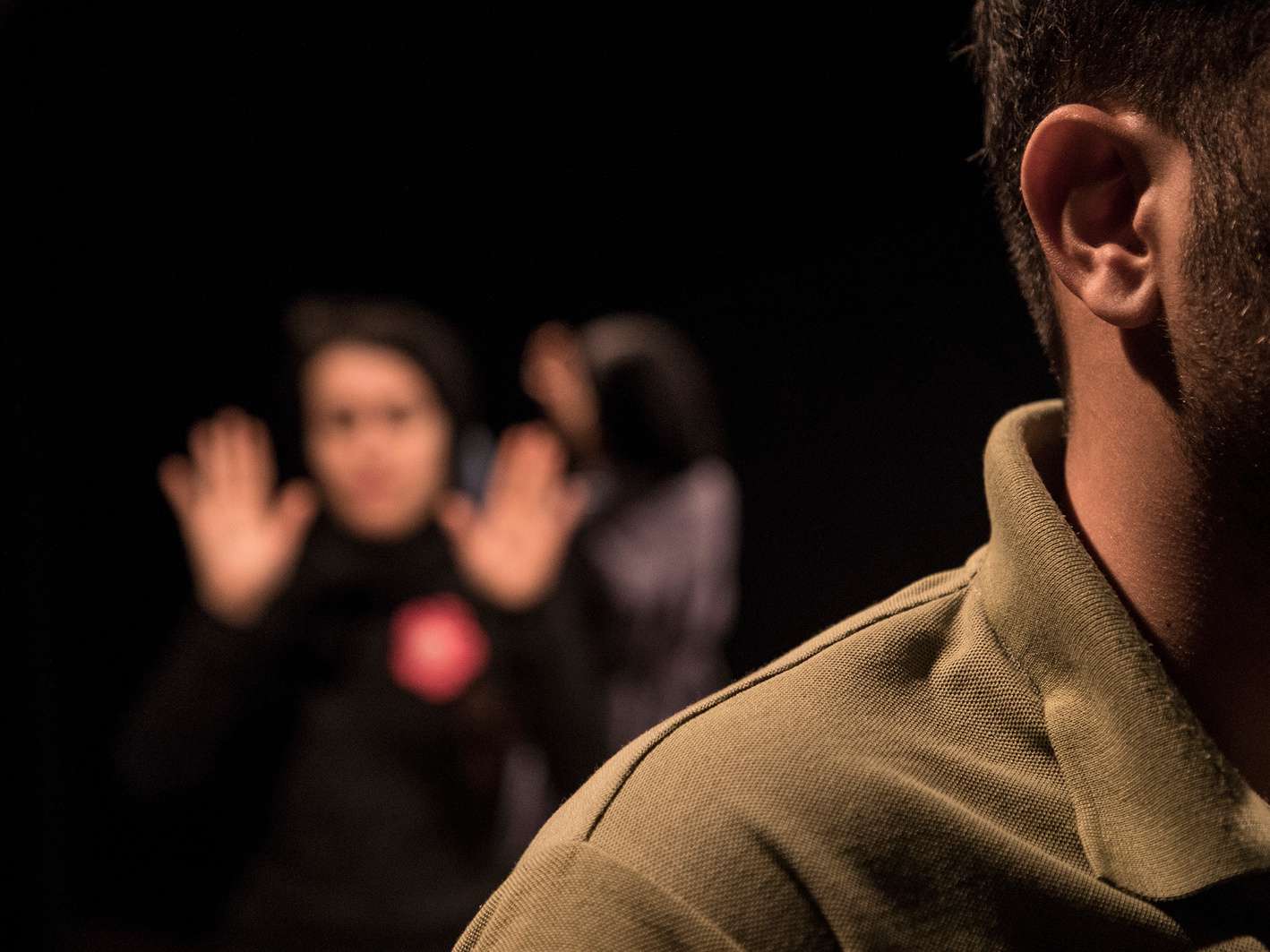
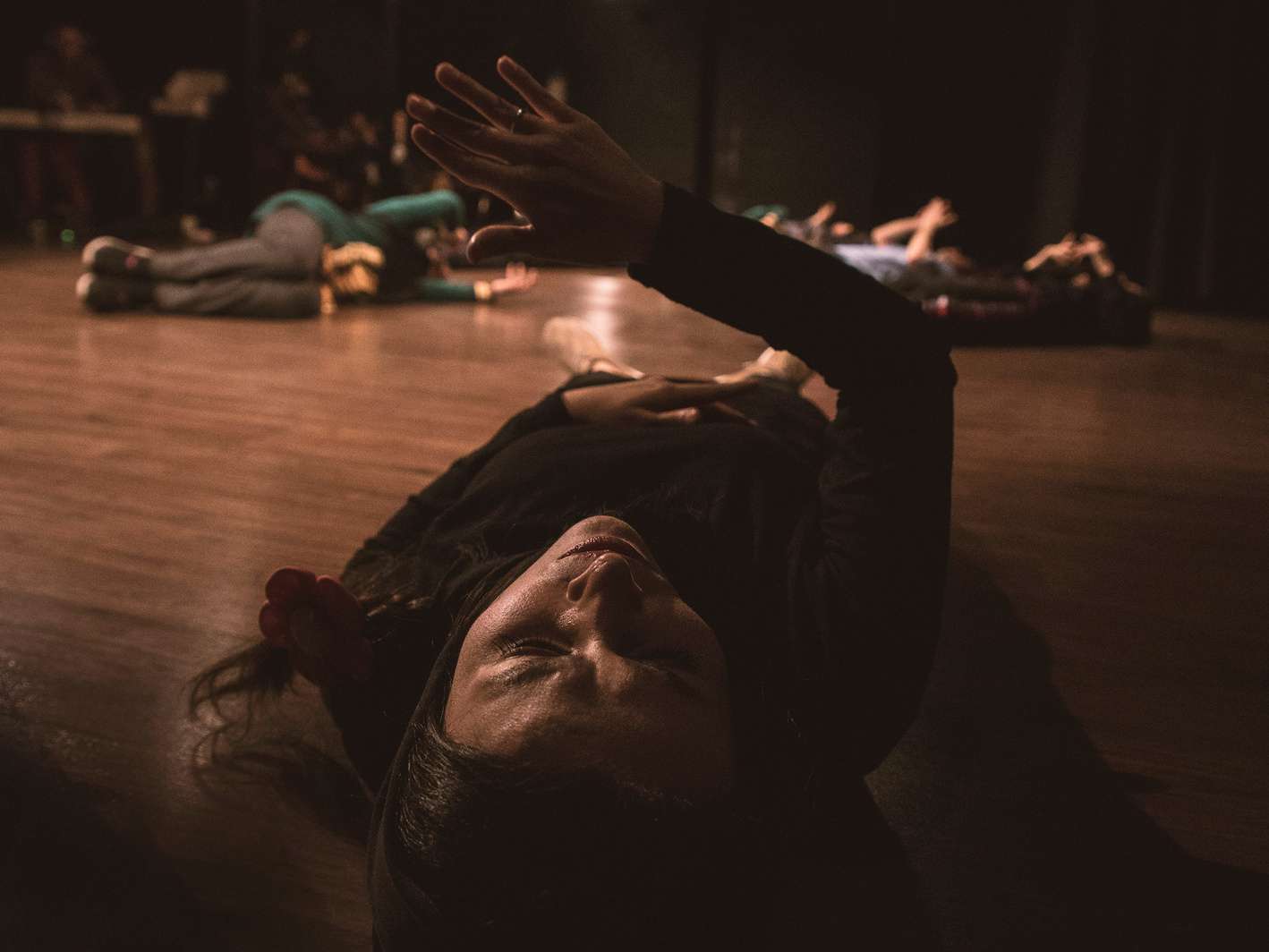
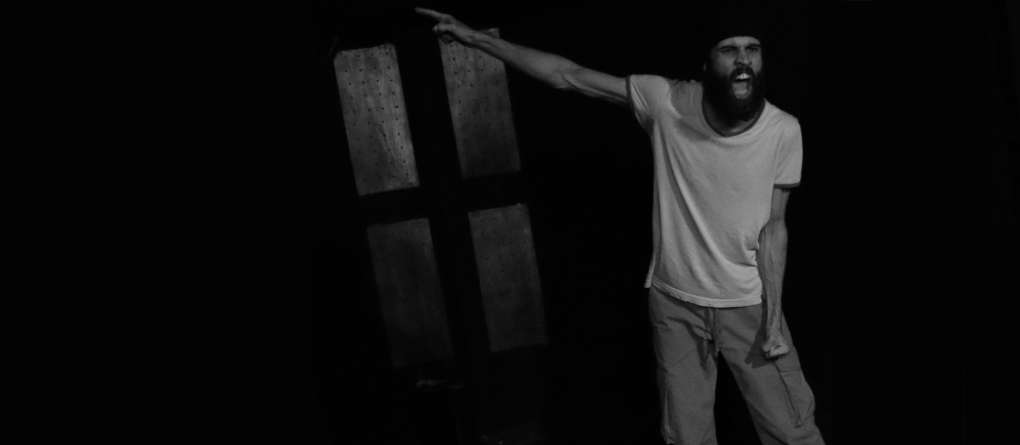
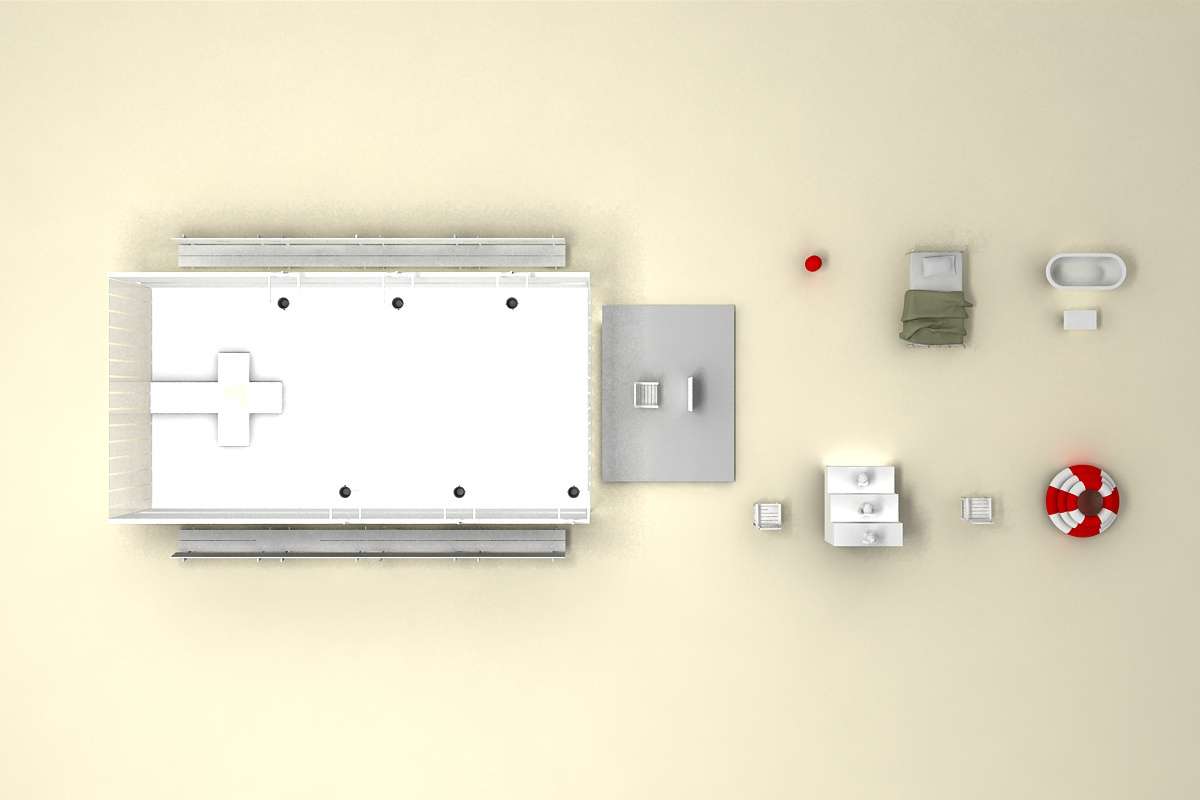
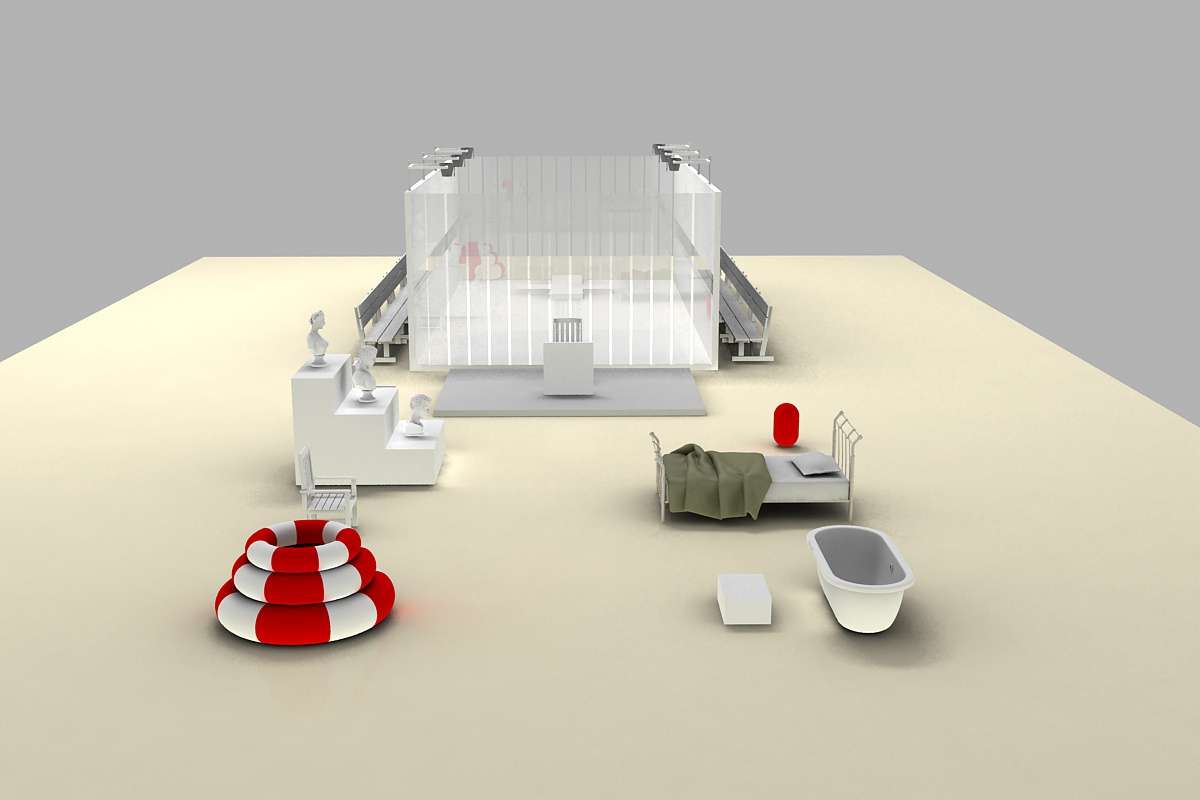
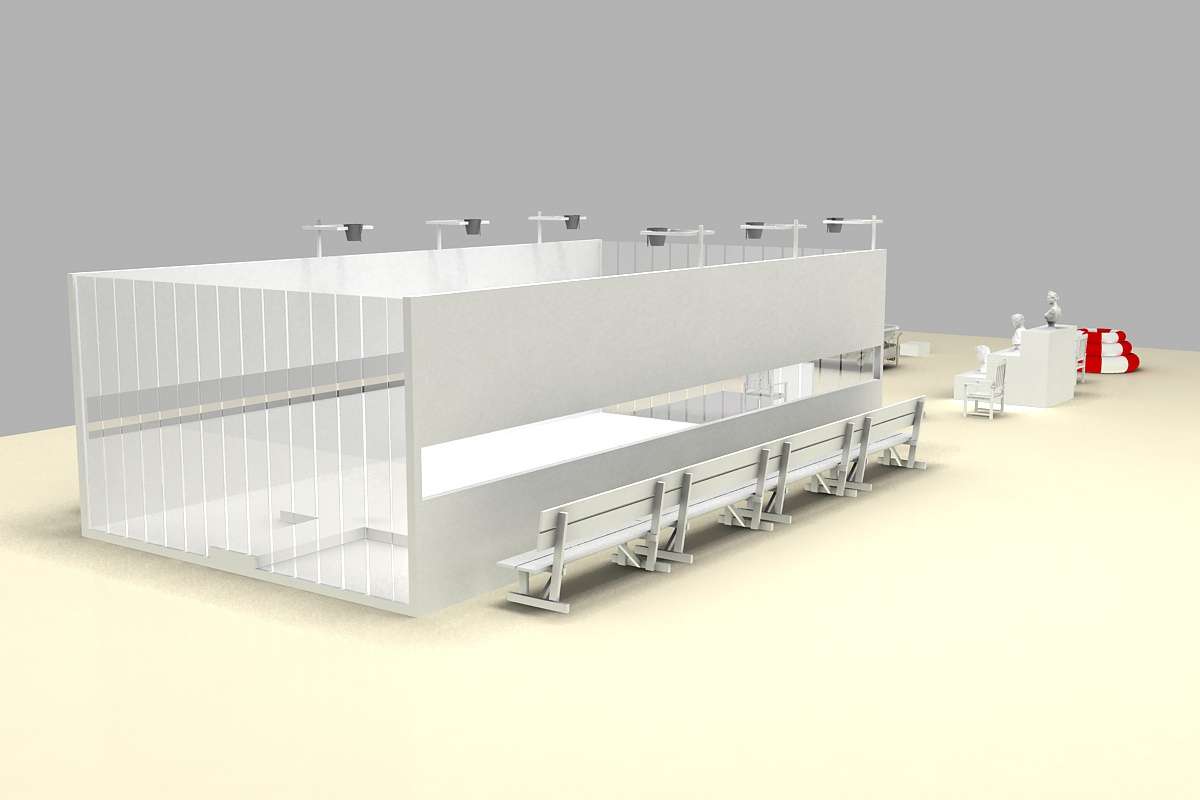
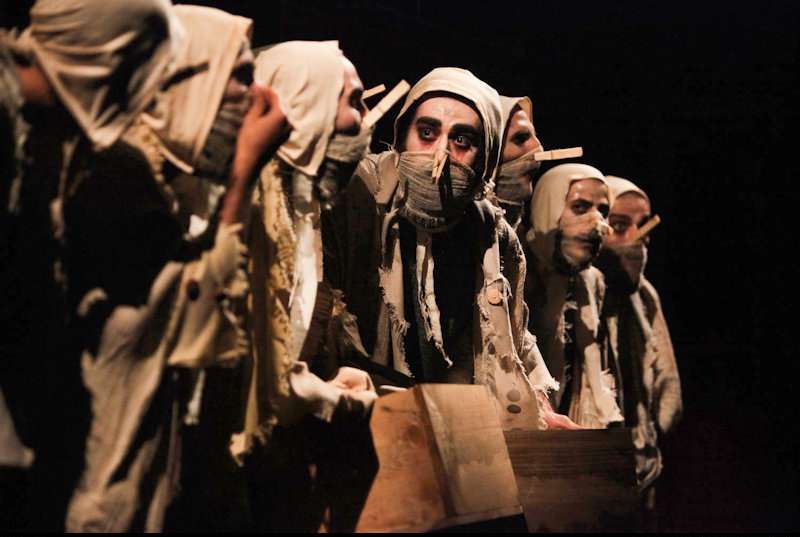
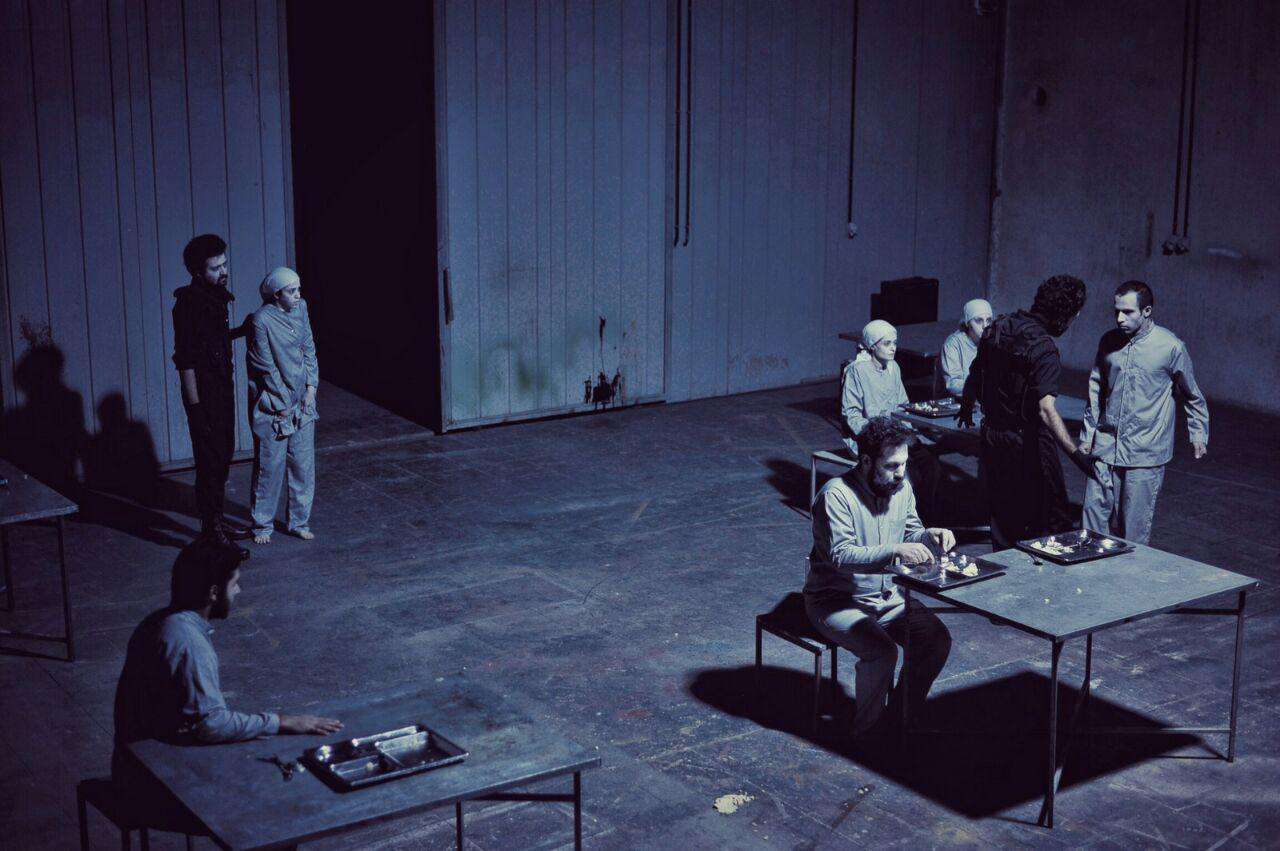
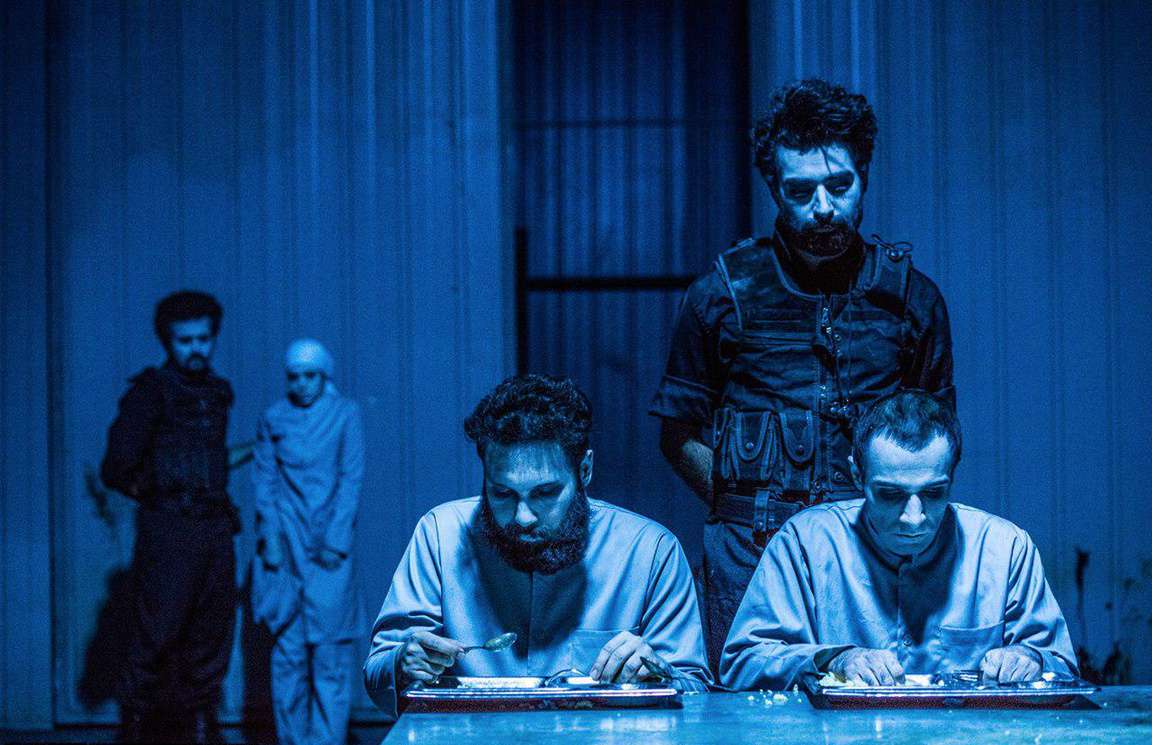
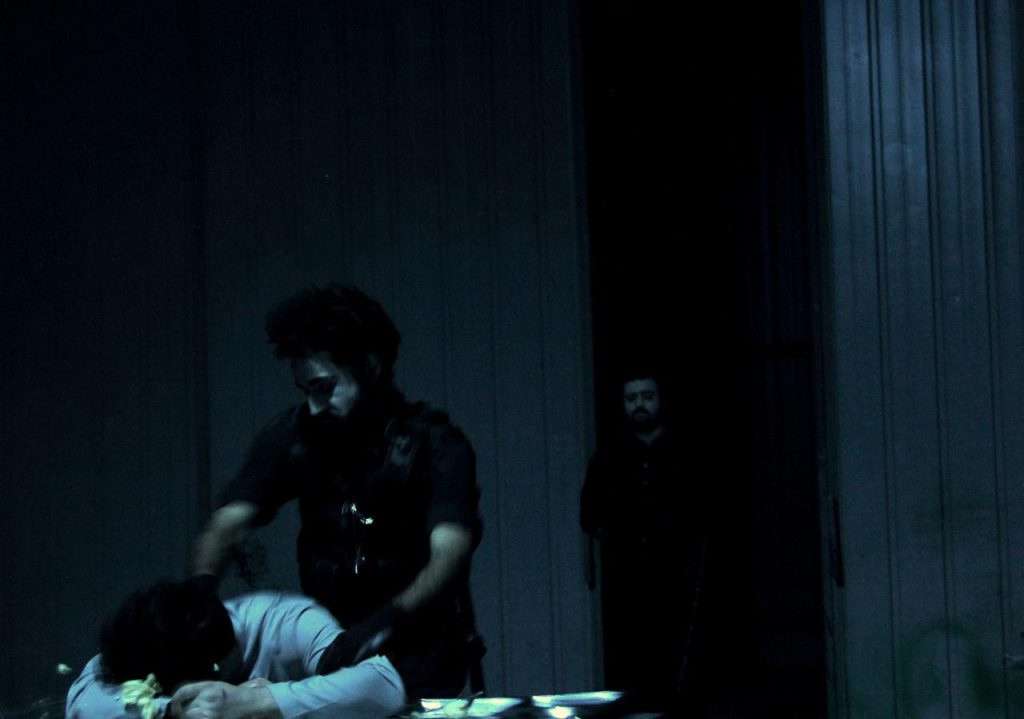
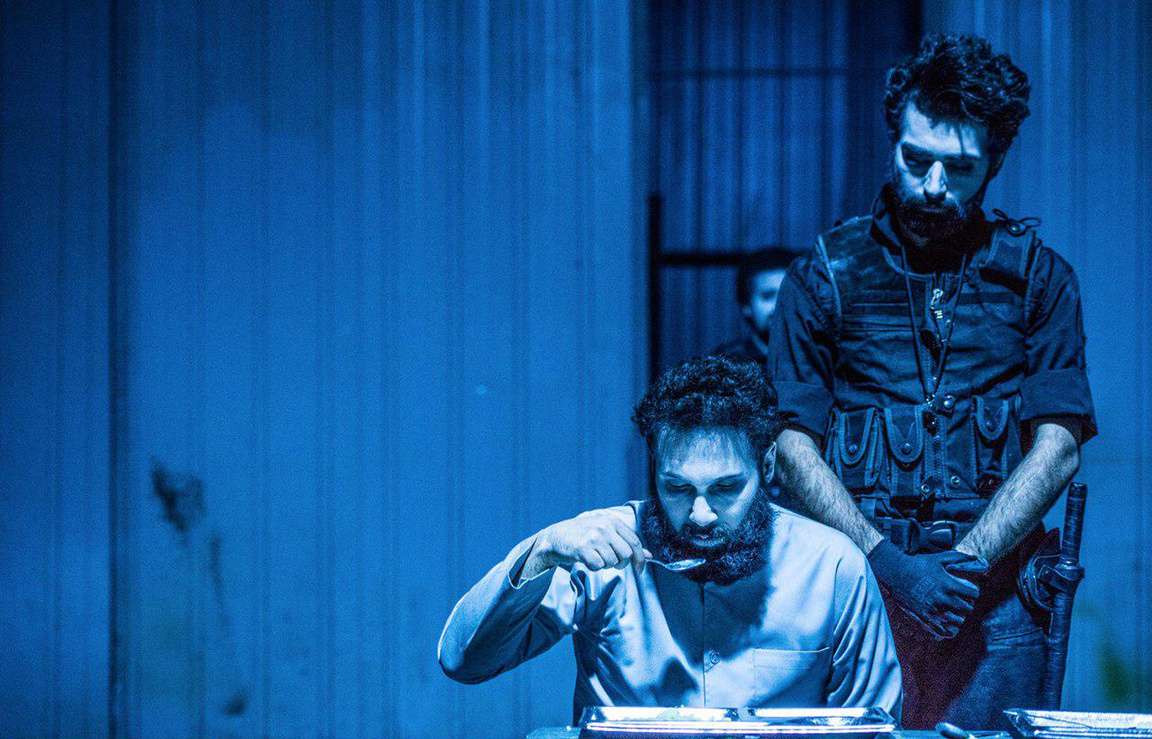
'Slaughter of the Day' is based on historical accounts and ancient texts, particularly Foucault's views in books such as 'Discipline and Punish, Birth of the Prison,' and 'Madness and Civilization.' In this play, a group of insane people try to choose one person as their savior and accept him in that role after being stranded at sea. The entire text resembles a delirium in which history is narrated from the perspective of the delusions.
This theatre was only shown once, during the Fadjr Festival, and was never allowed to be performed again due to the sensitivity of the subject matter and censorship. The stage design was such that initially, the spectator could freely observe the introductory scenes and then were led towards the walls on either side of the stage; to see the play, they had to move their heads through a slit in the wall.
In 'Slaughter of the Day' the subject matter is history, and the assault of those in power on the human mind is the focus. It shows how history reveals any time that power desires. The effects of human domination over superstition and delusions are portrayed, and on the other hand, violence to the highest degree was the product of mental stagnation that spilled over history and onto the stage.
Fellowship
In 2024, I was awarded the Pina Bausch Fellowship. During this fellowship, I worked closely with Sidi Larbi Cherkaoui and developed my ongoing artistic research project, Show and Marginalized Bodies.
During the fellowship period, I worked in connection with Ihsane and in dialogue with Sidi Larbi Cherkaoui’s artistic process.
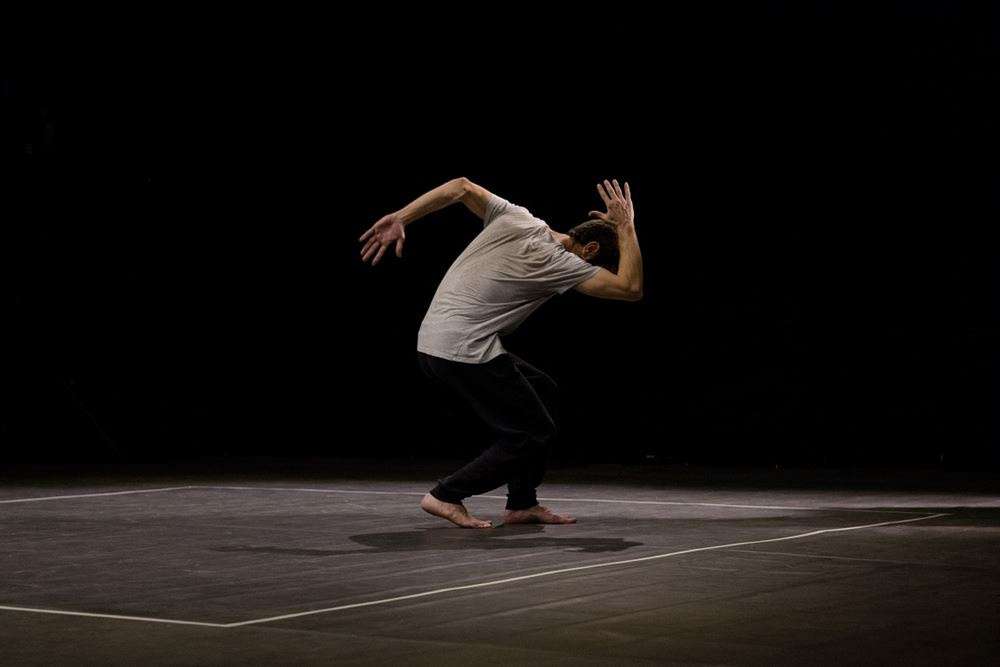
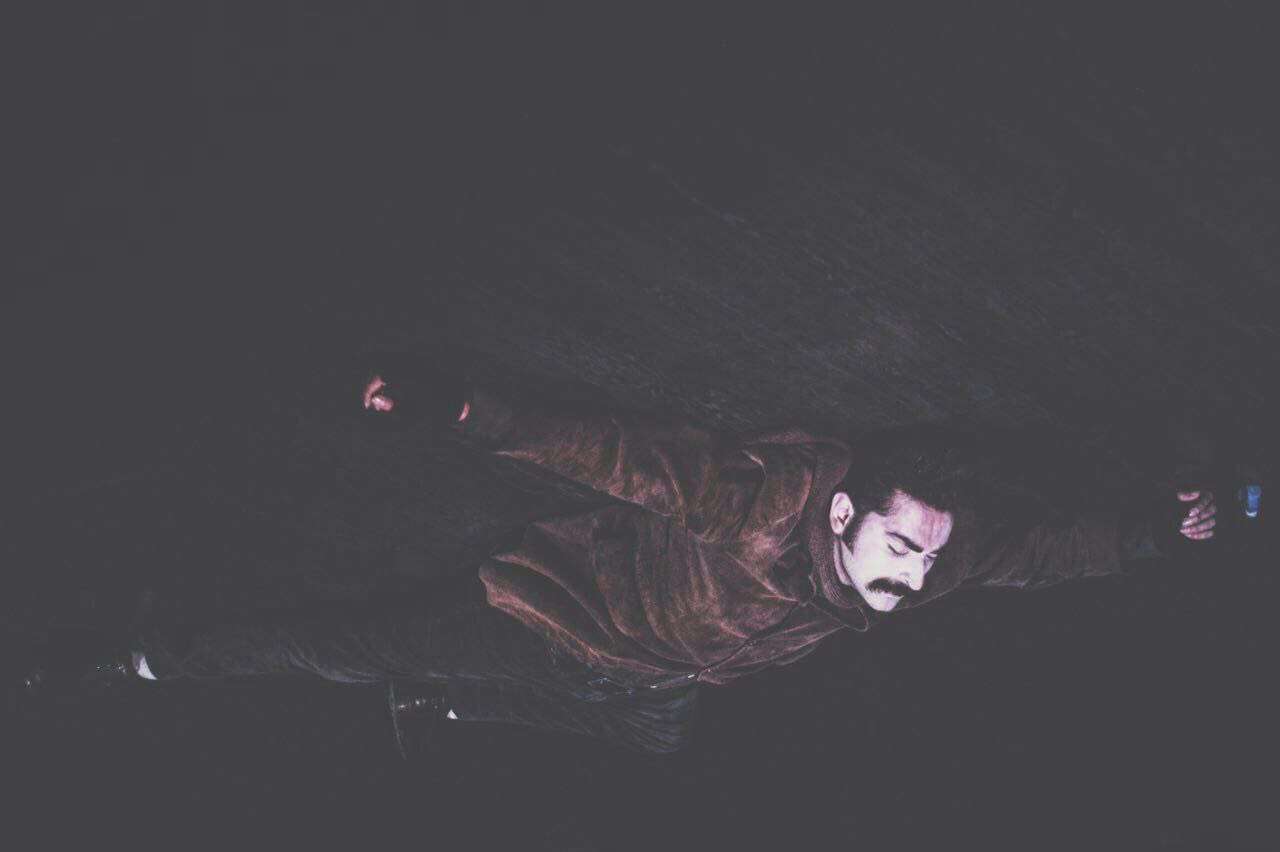
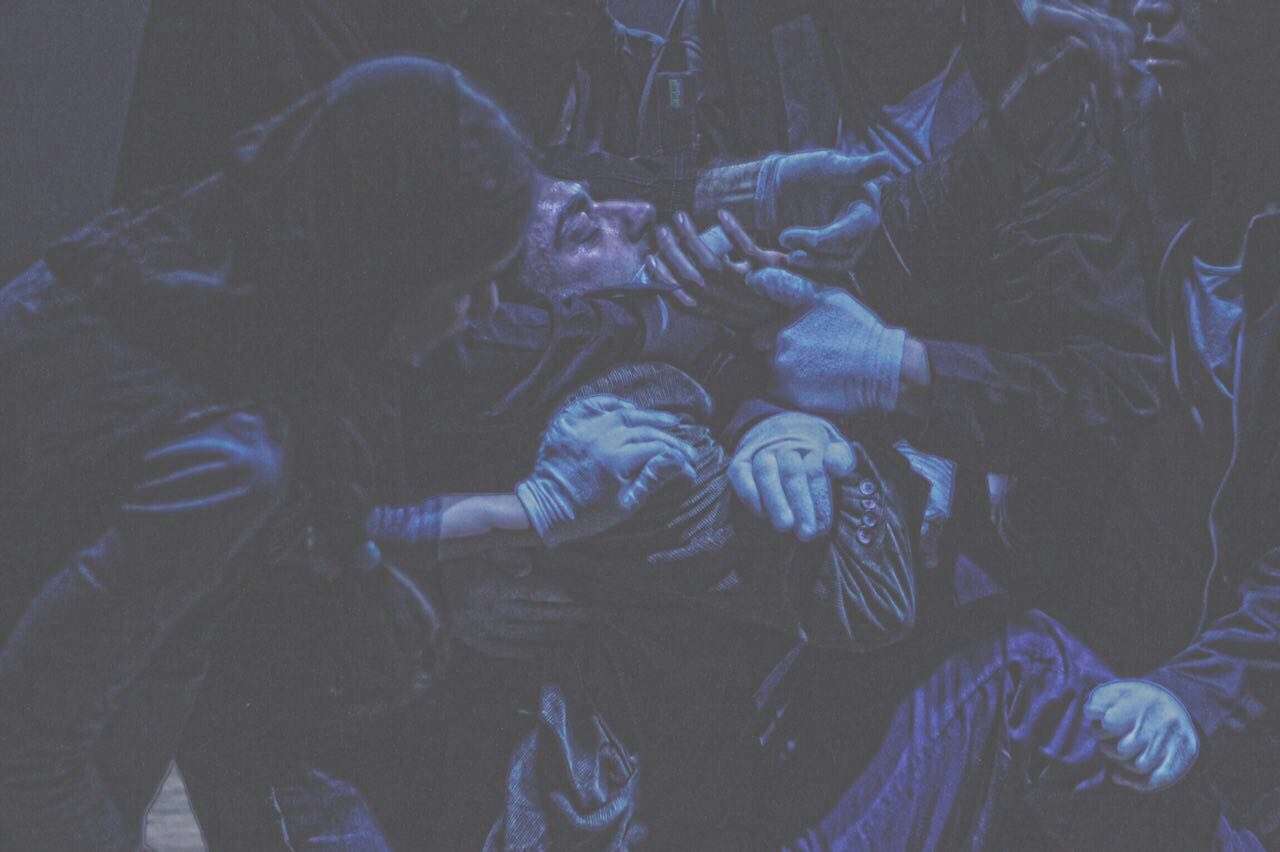
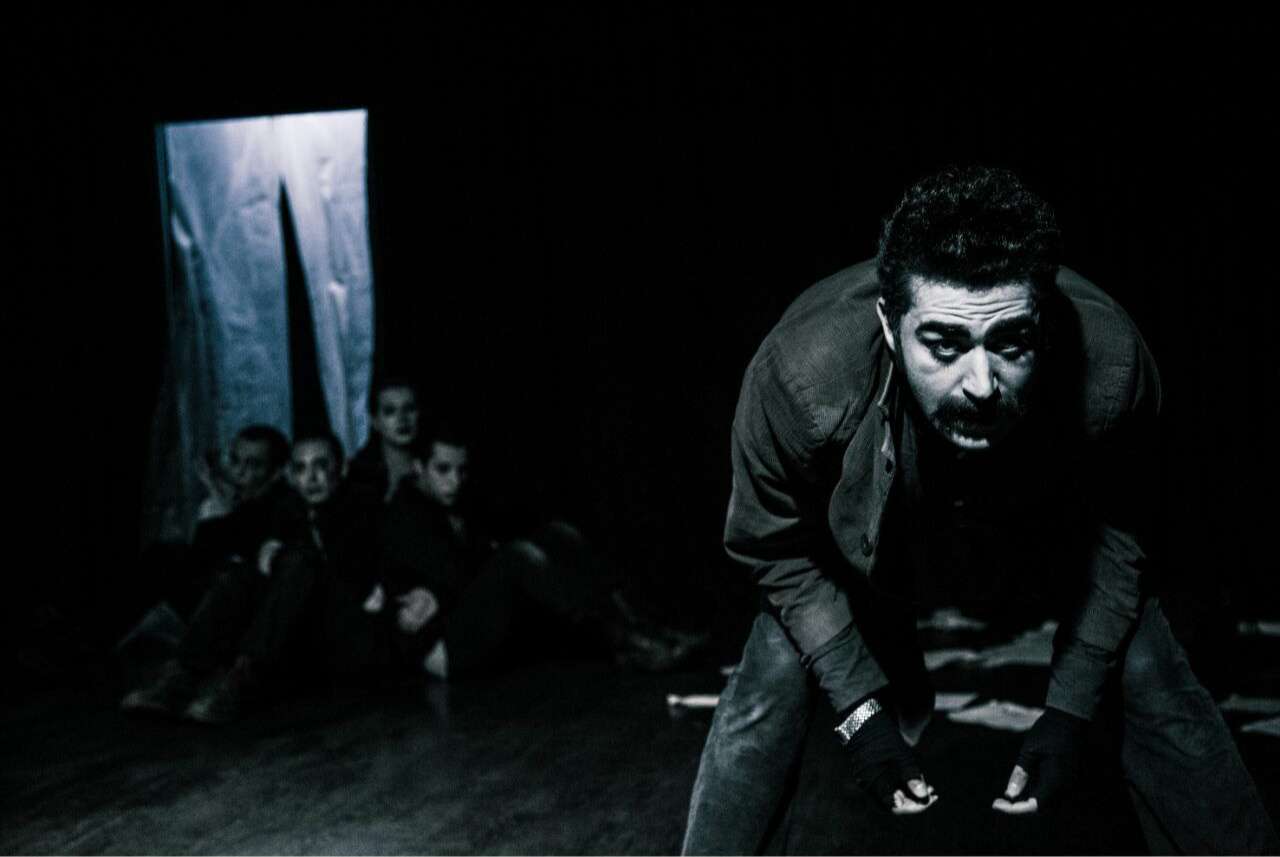
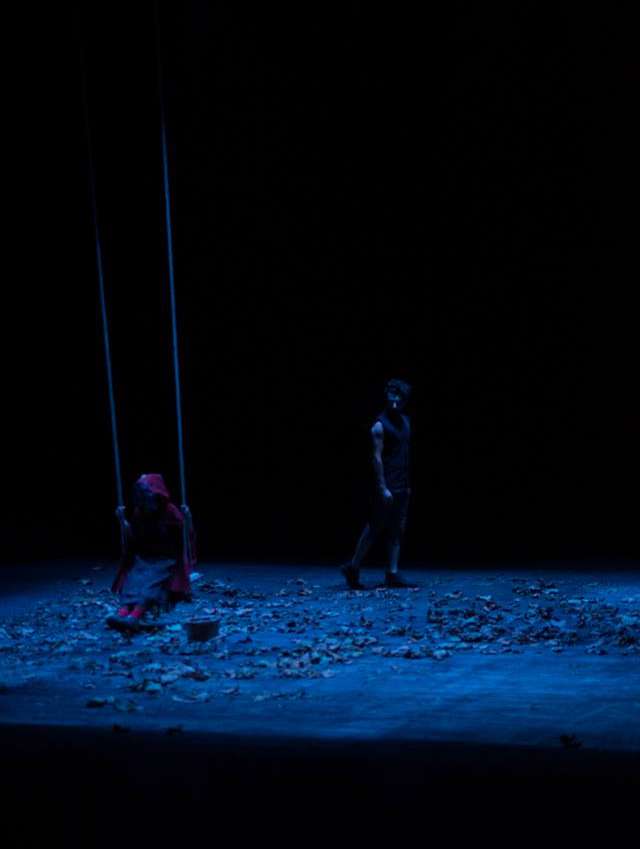
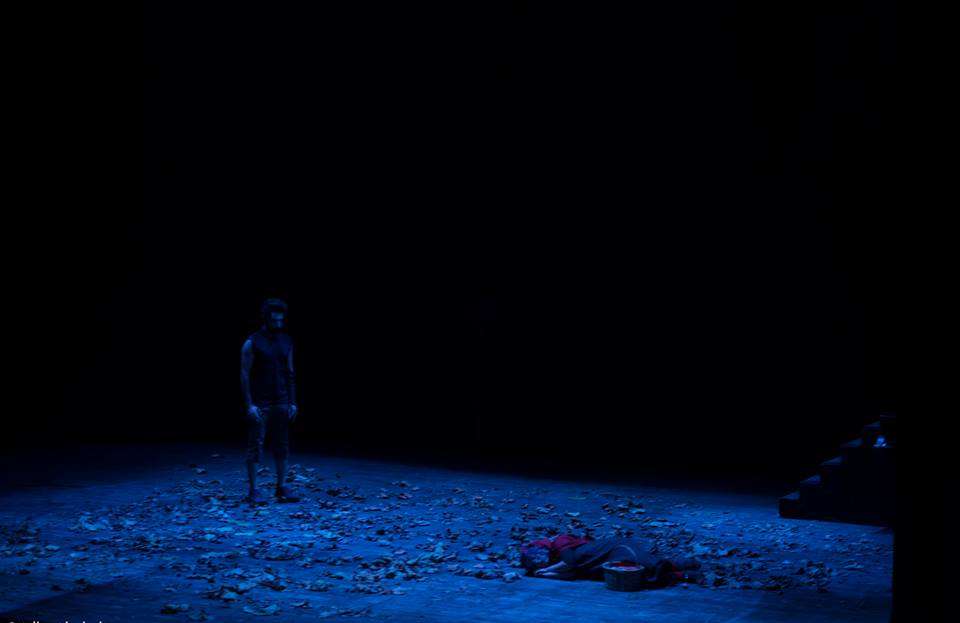
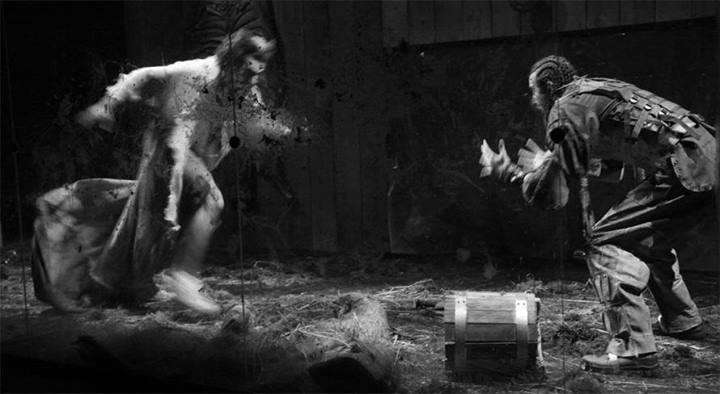
Performance
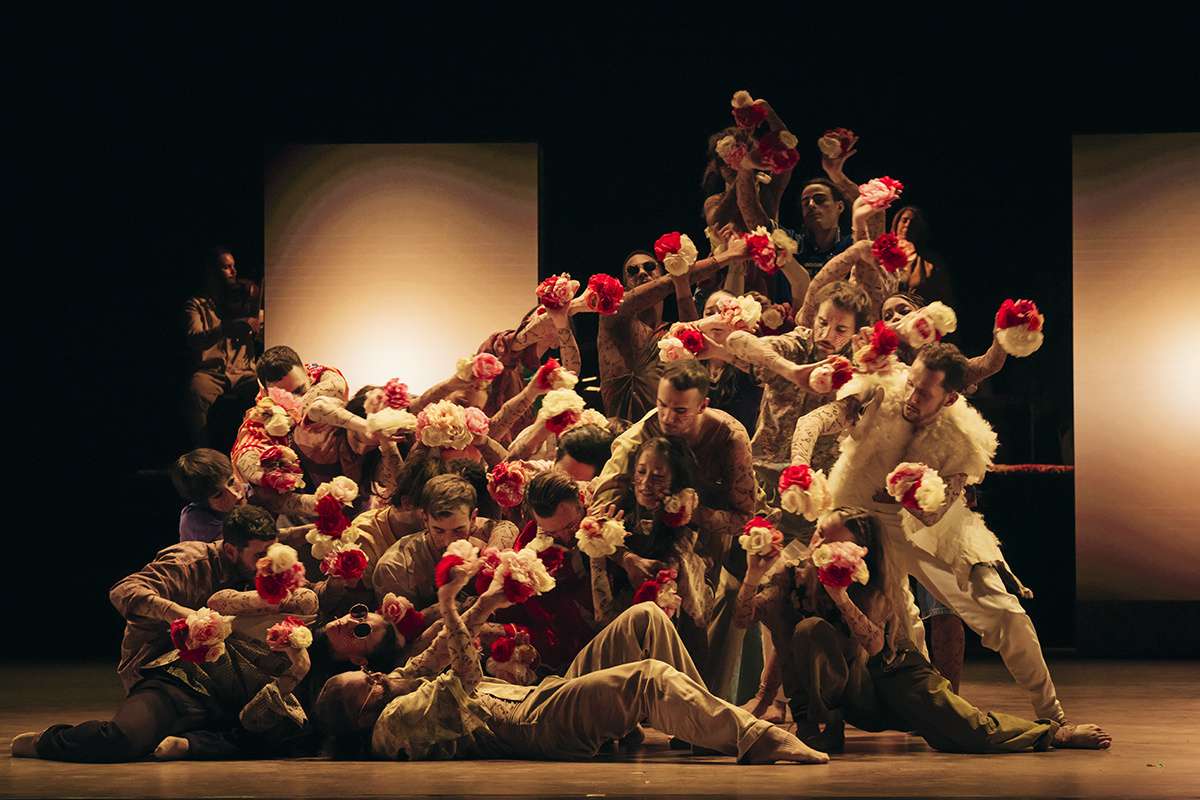
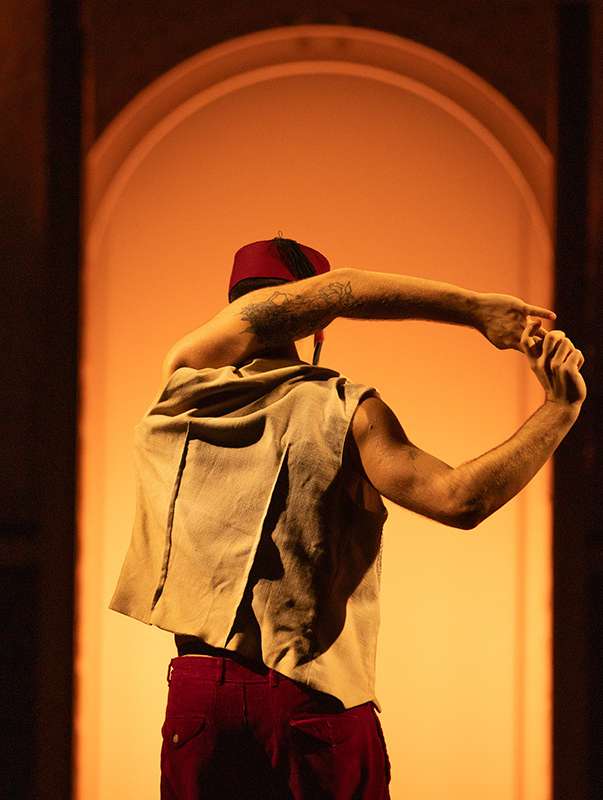
Works in which Morteza Zarei participated as a performer, dancer, or actor.
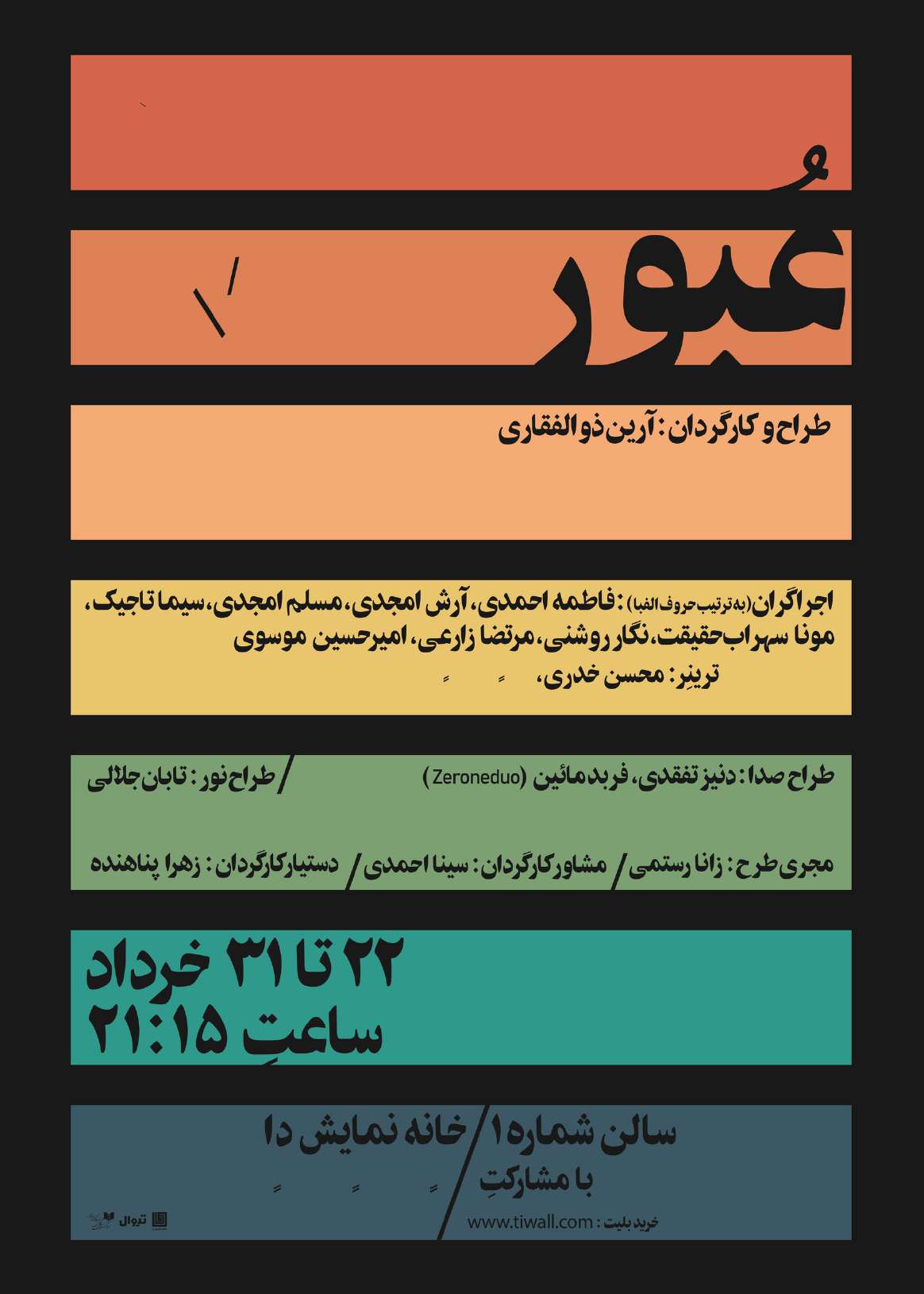
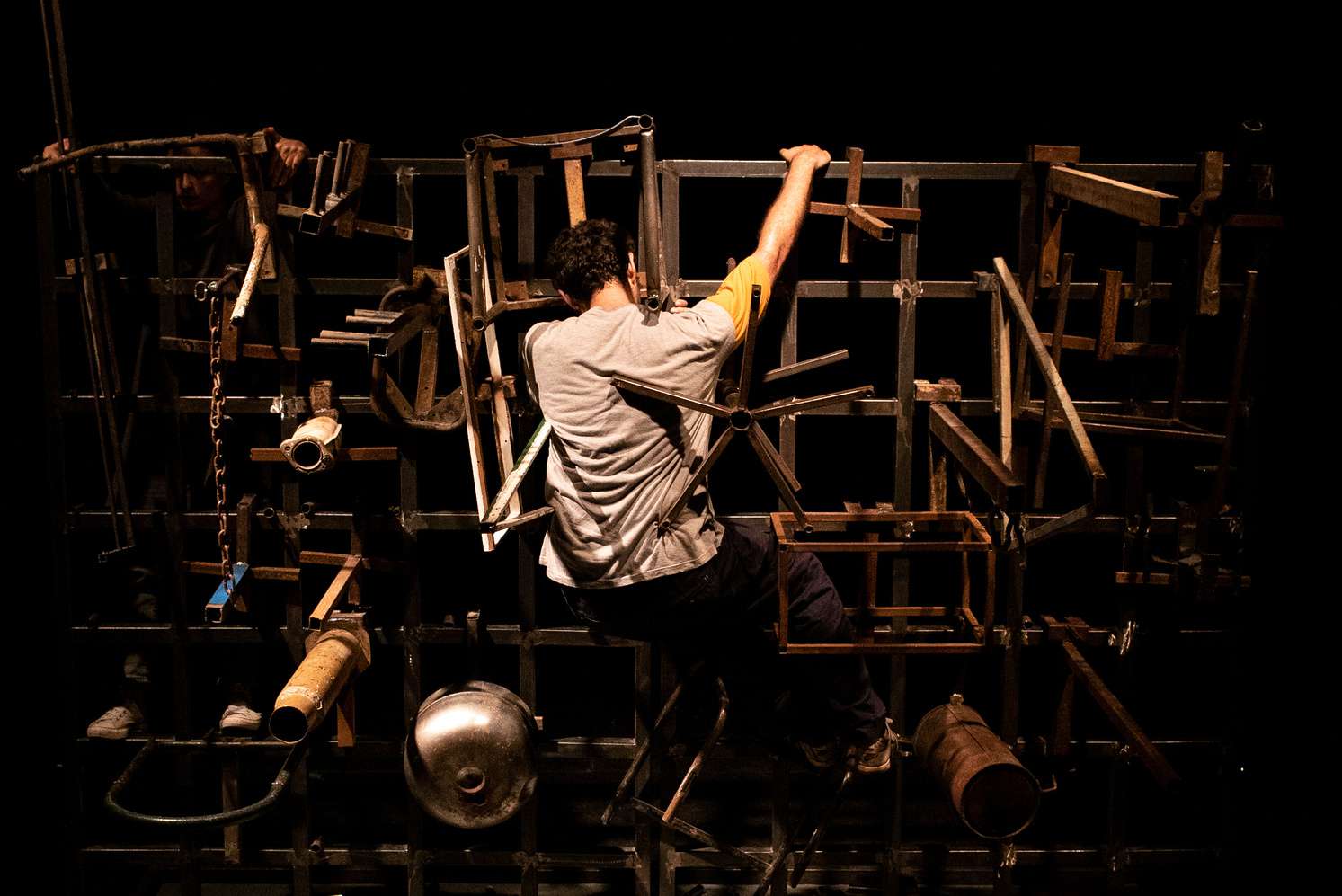
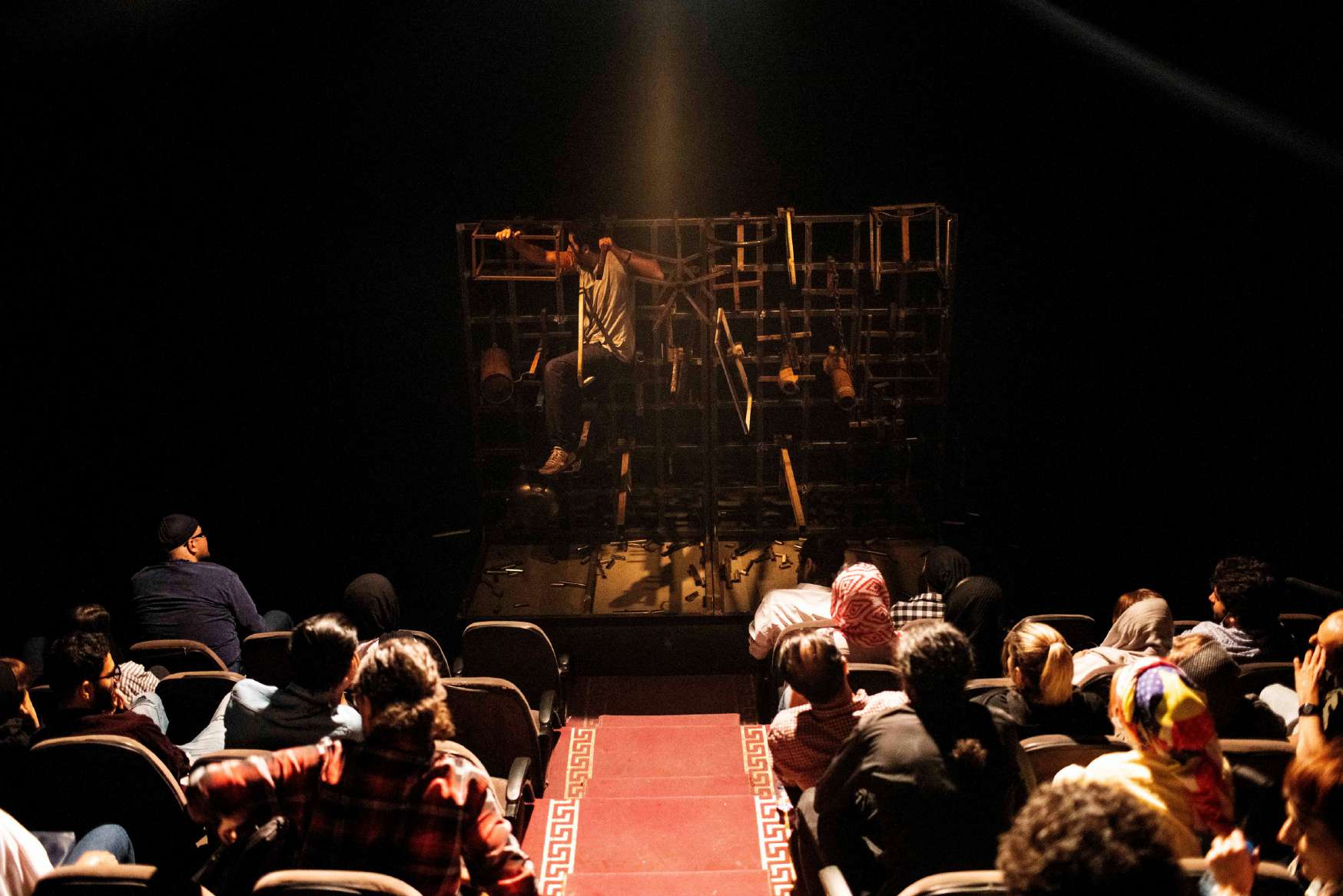
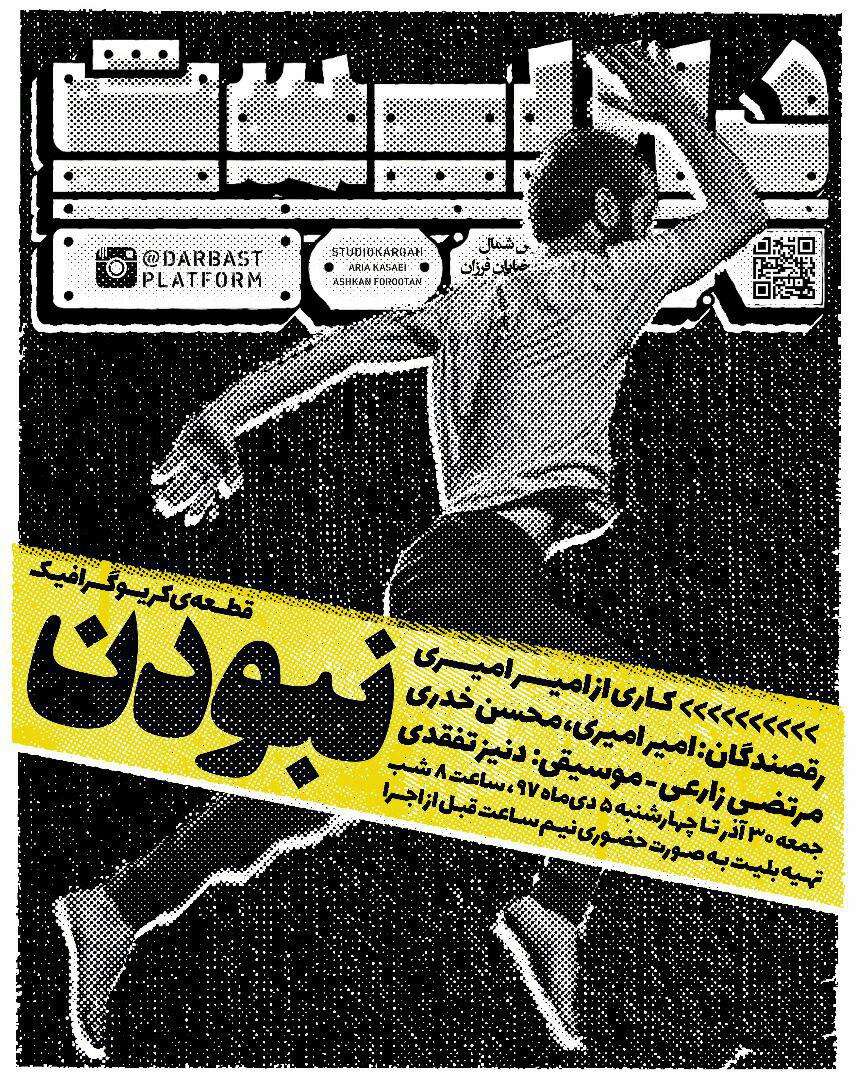
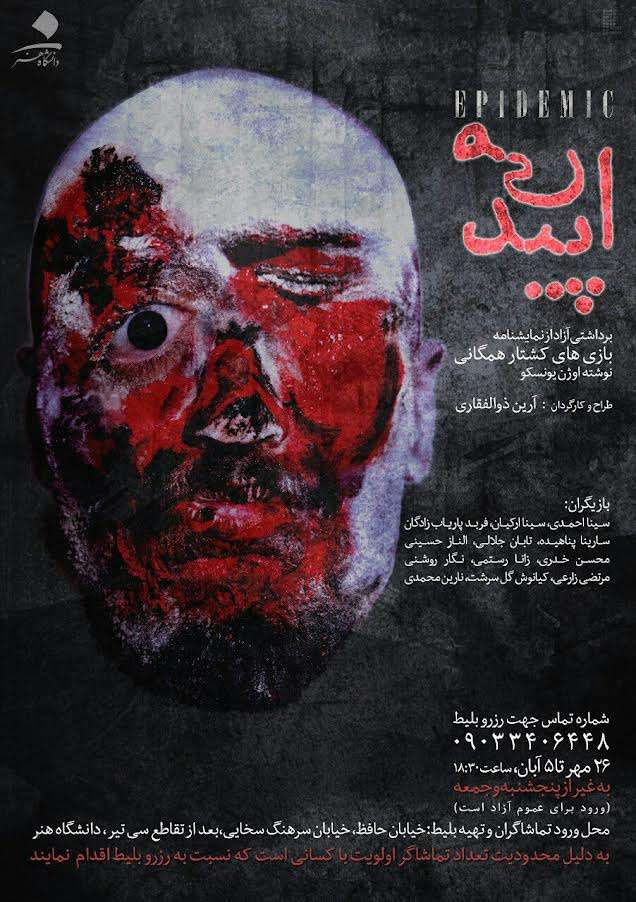
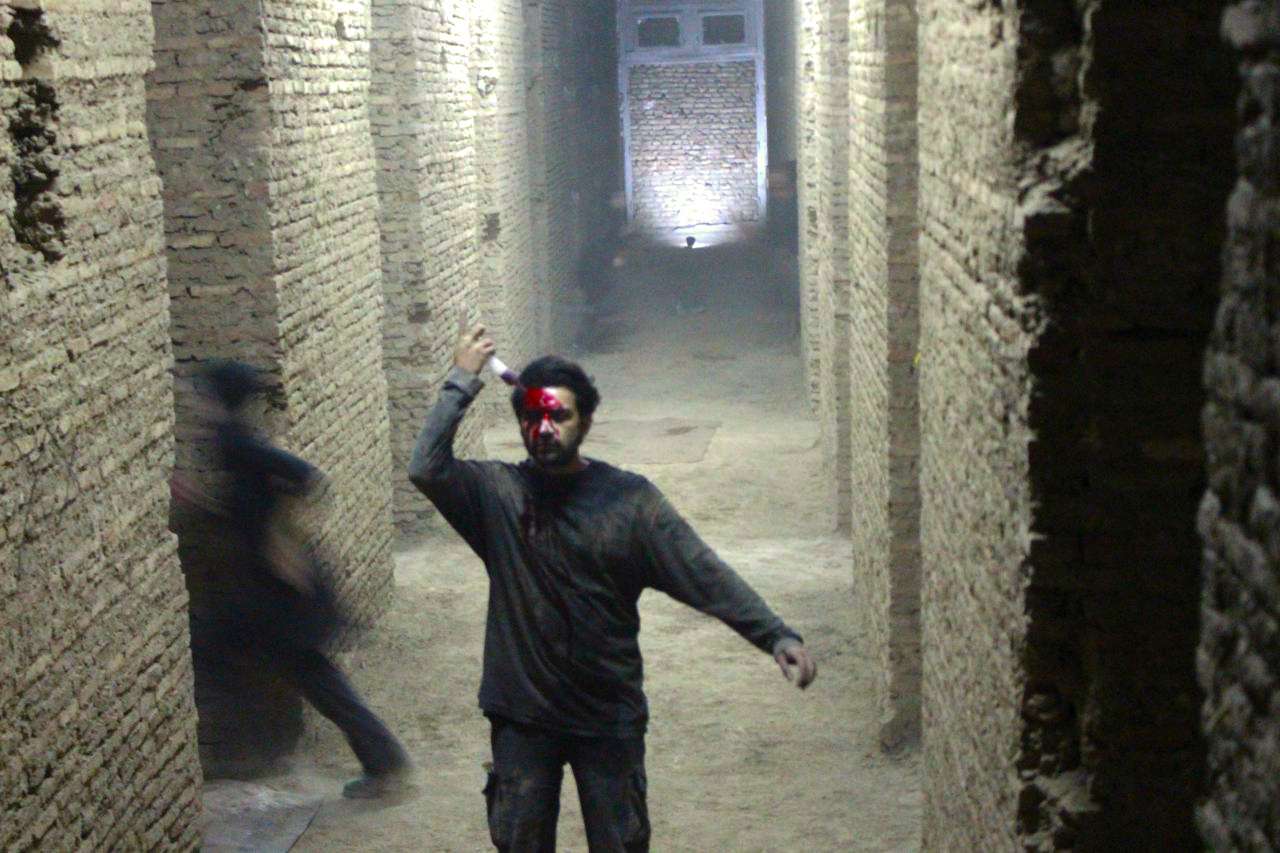
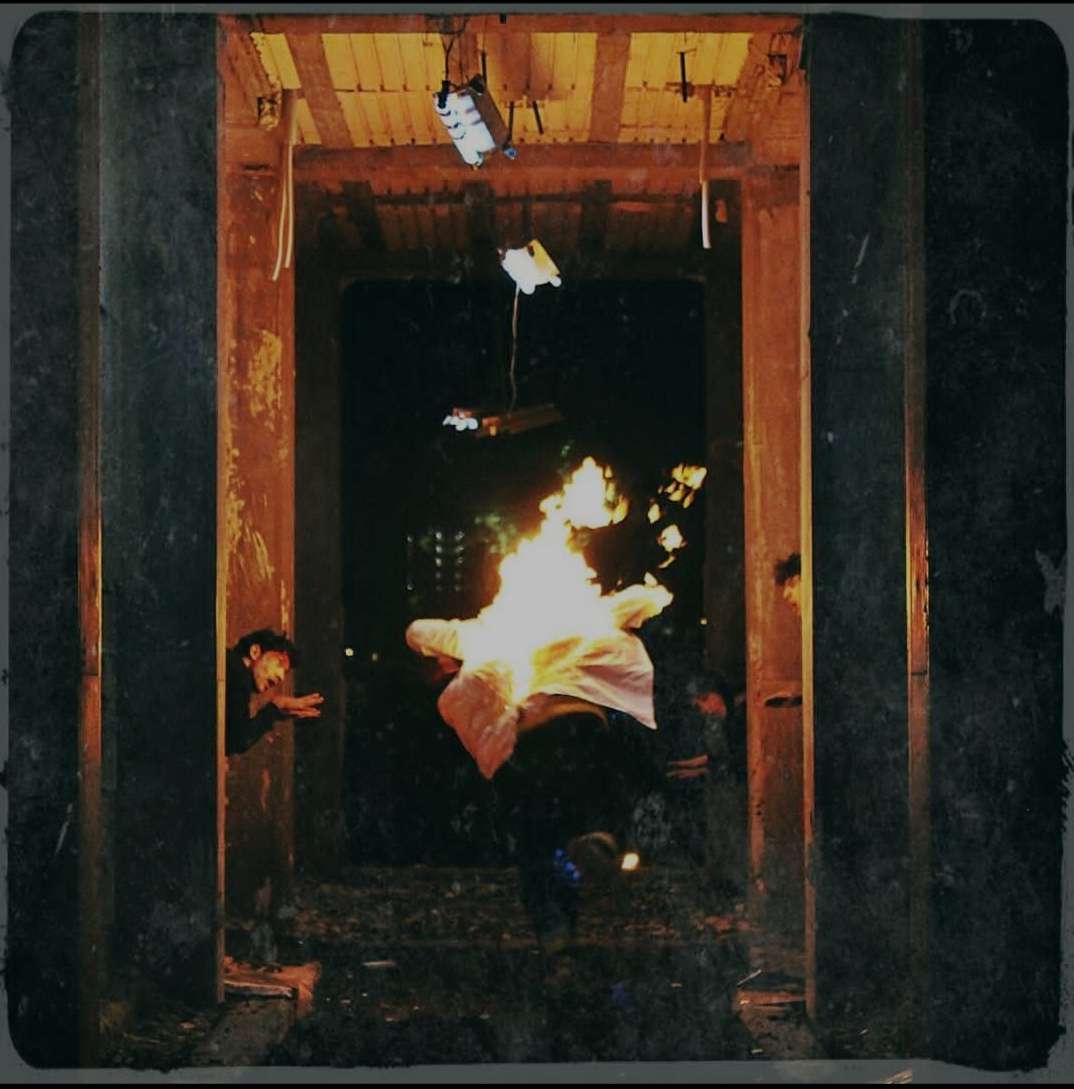
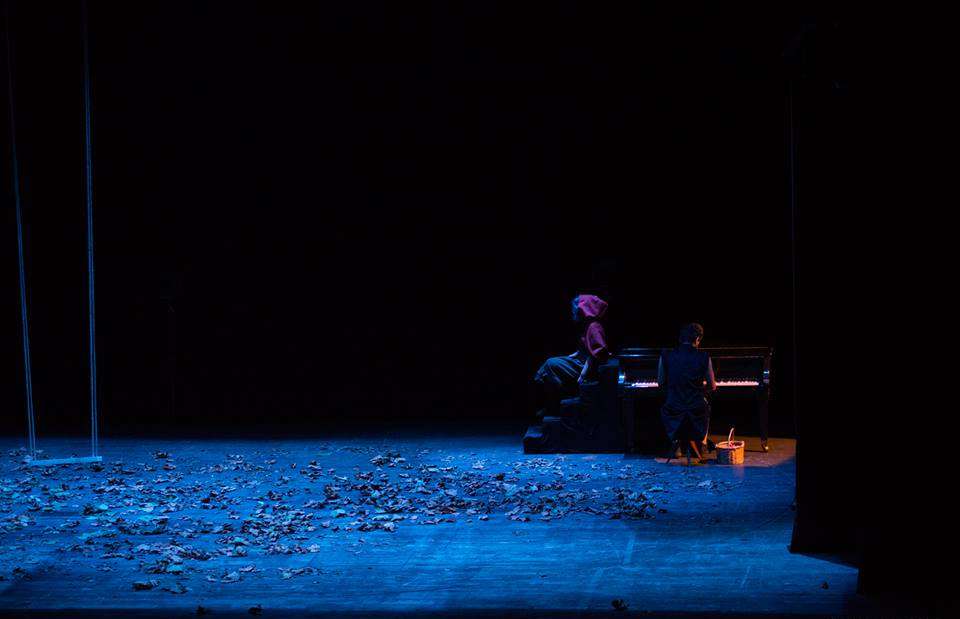
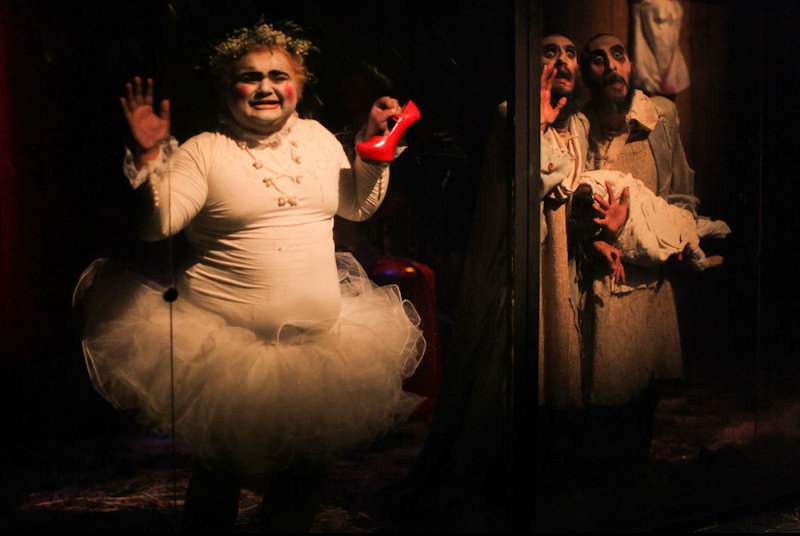
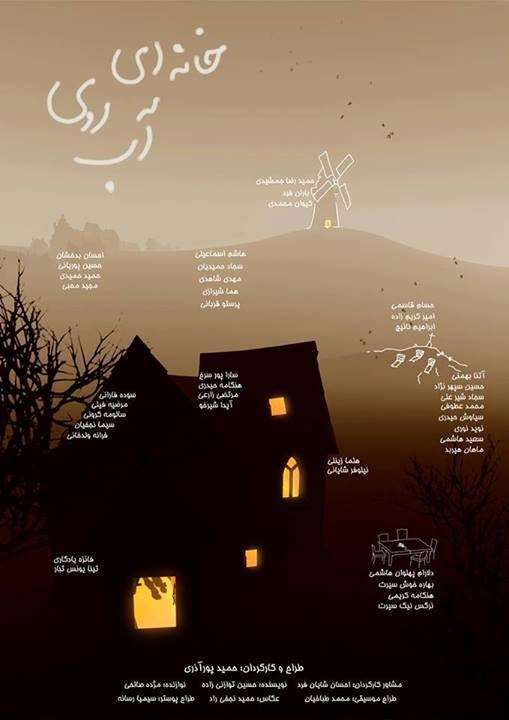
Visual Arts
'Goulakh' means 'ear' in Turkish. Due to the strong mixture of languages over the years, many words have been borrowed from Turkish to Persian and from Persian to Turkish. However, in the usage of this word among Persian-speaking Iranians, it has acquired a new meaning that refers to people who are strong or very tall and robust. In this project, I tried to focus only on the broken ears of wrestlers in the frame. However, in documentary photography, sometimes unexpected events occur that need to be recorded, and it is not easy to ignore them. Therefore, I captured moments other than the broken ears, which made this project more extensive than before. I plan to continue this project and take photos of athletes with broken ears as much as I can.
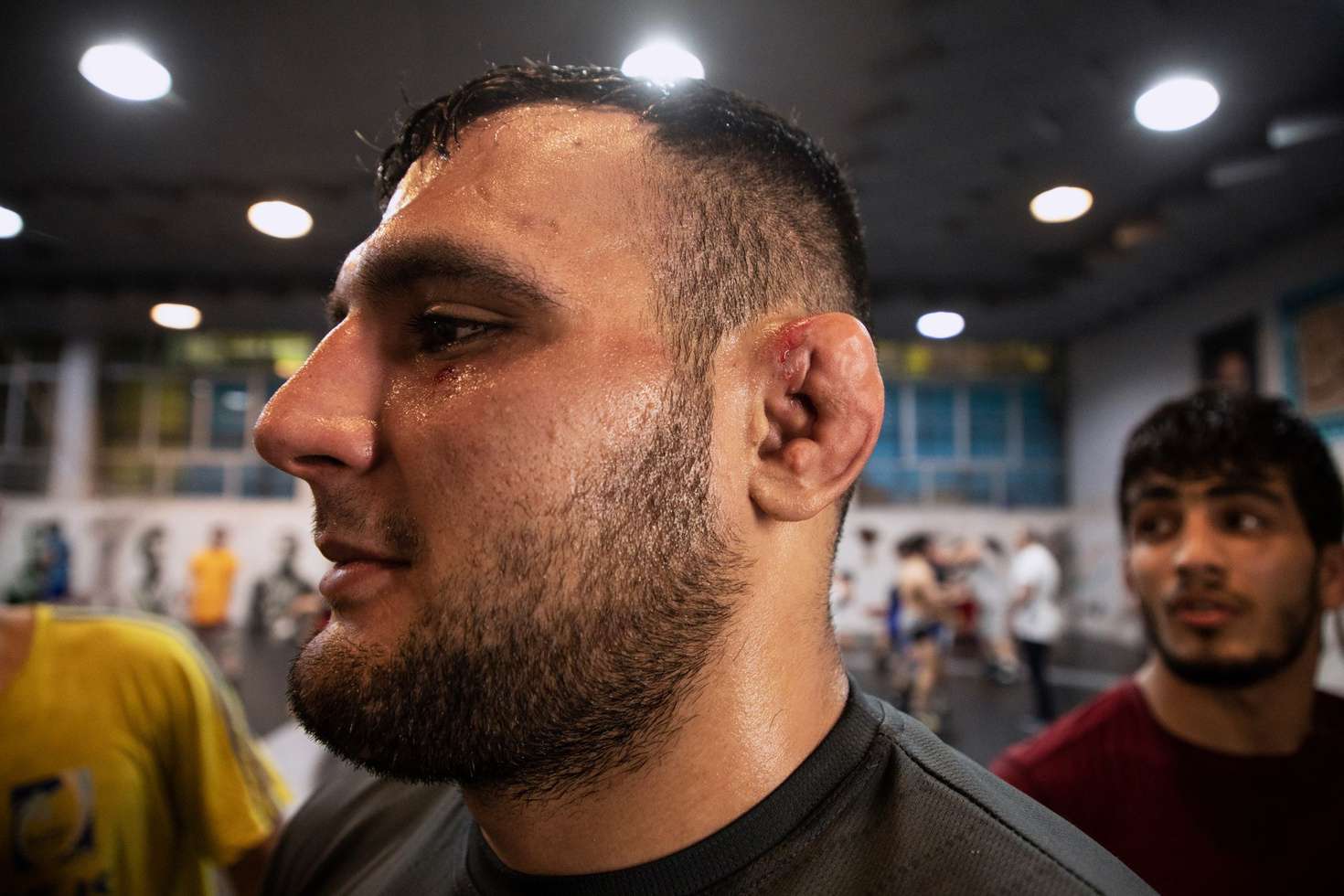
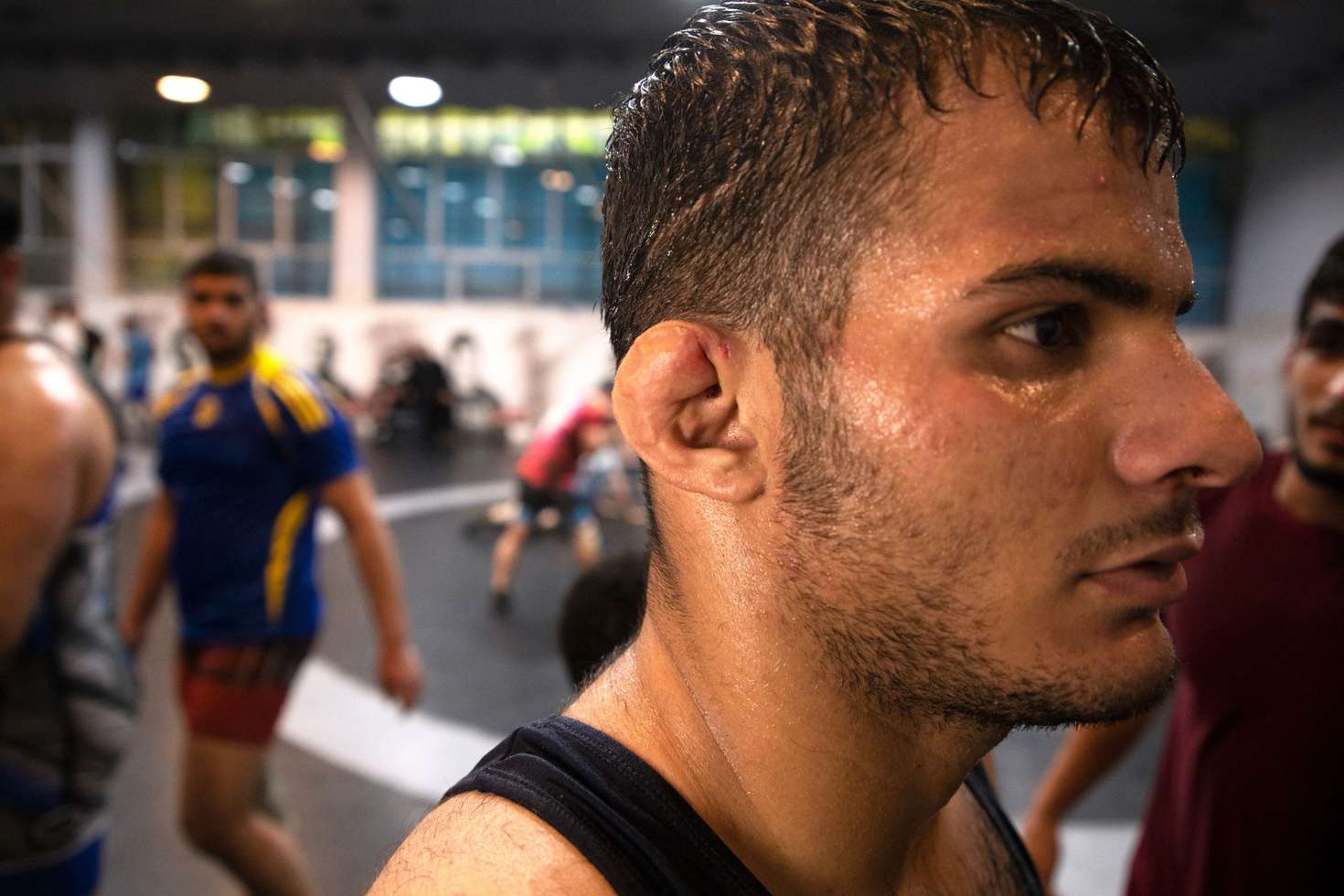
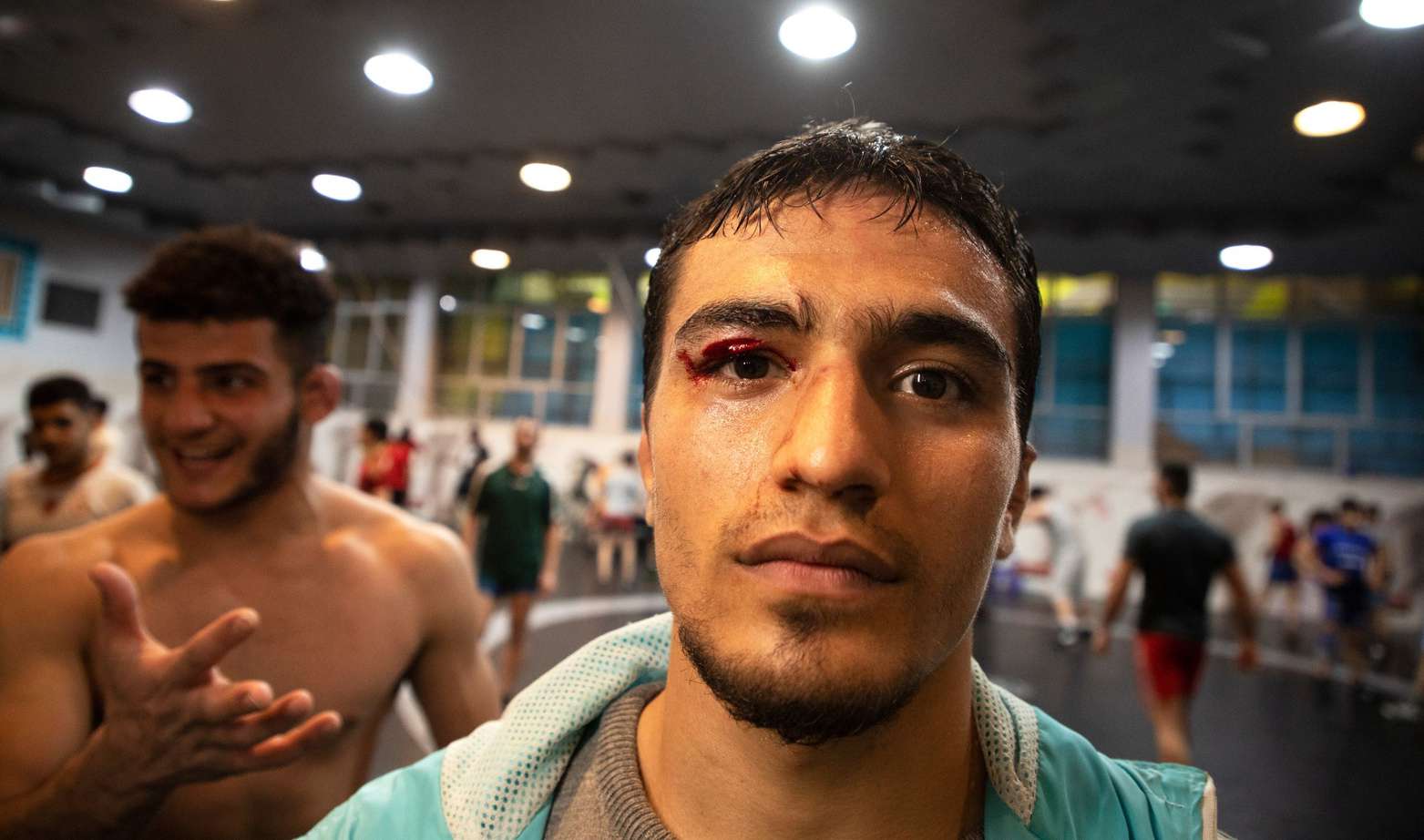
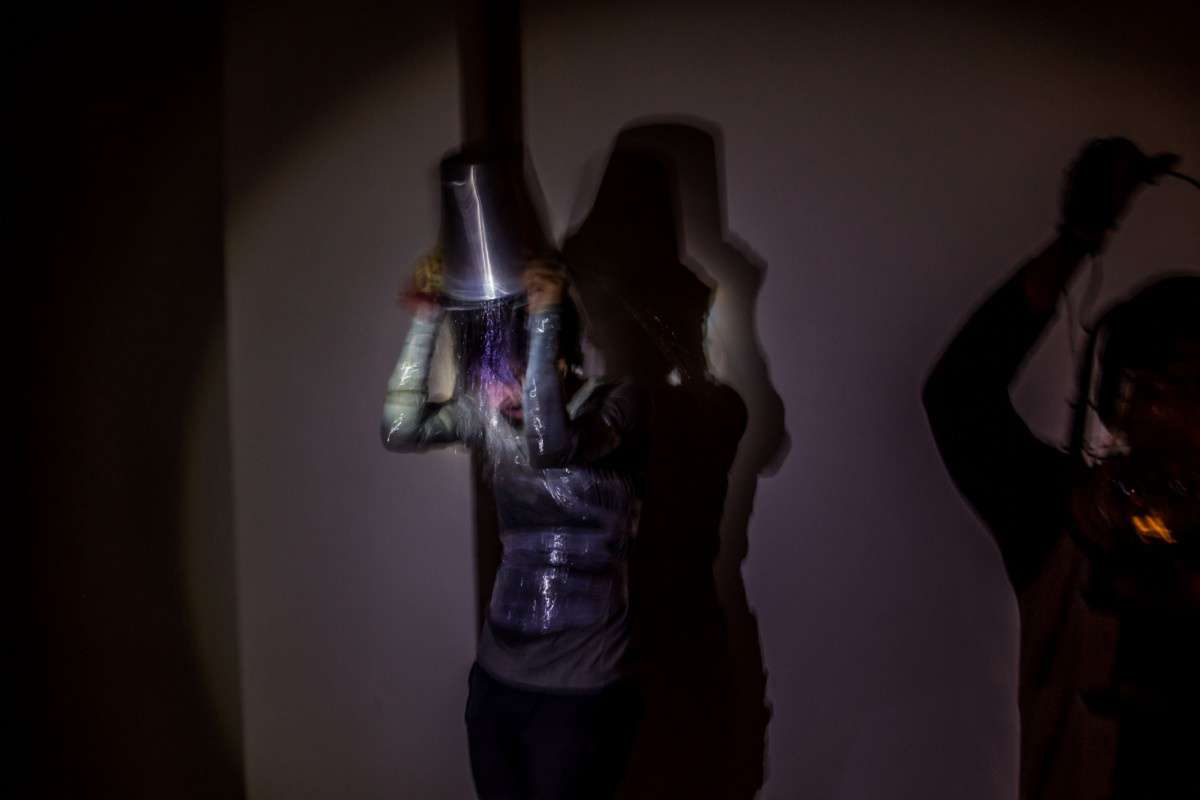
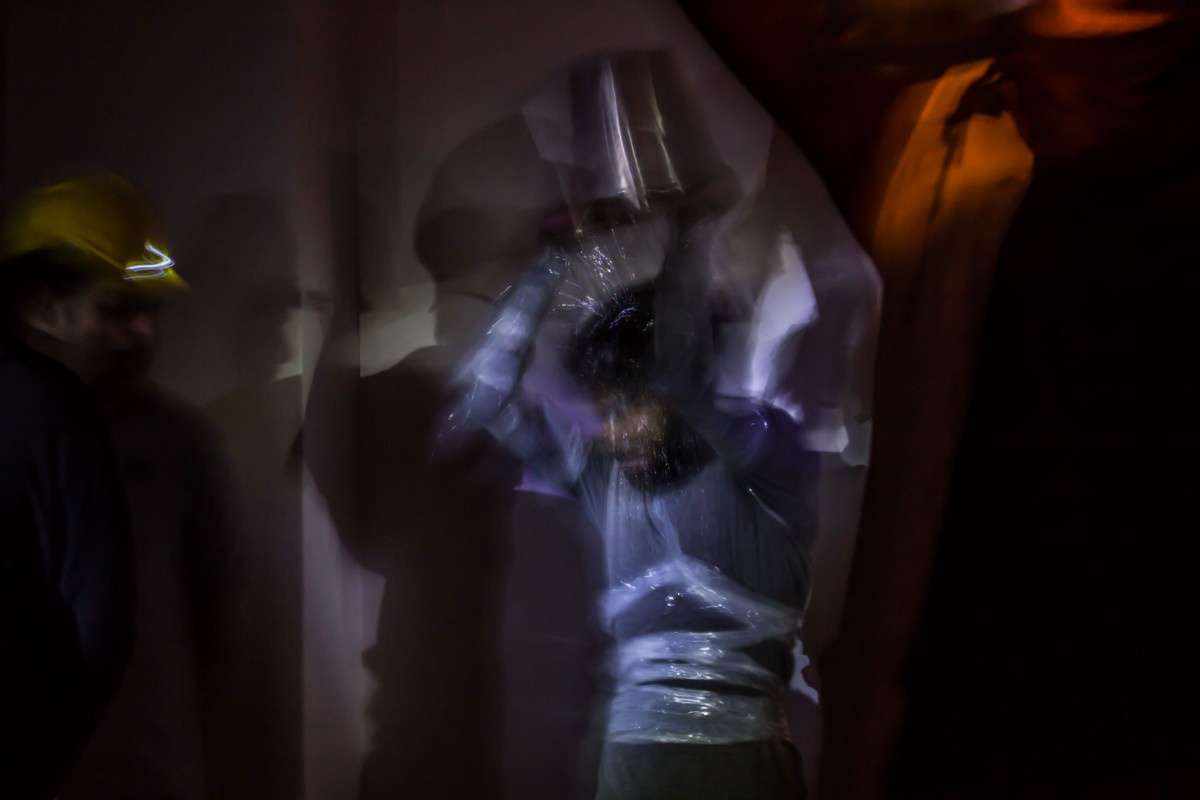
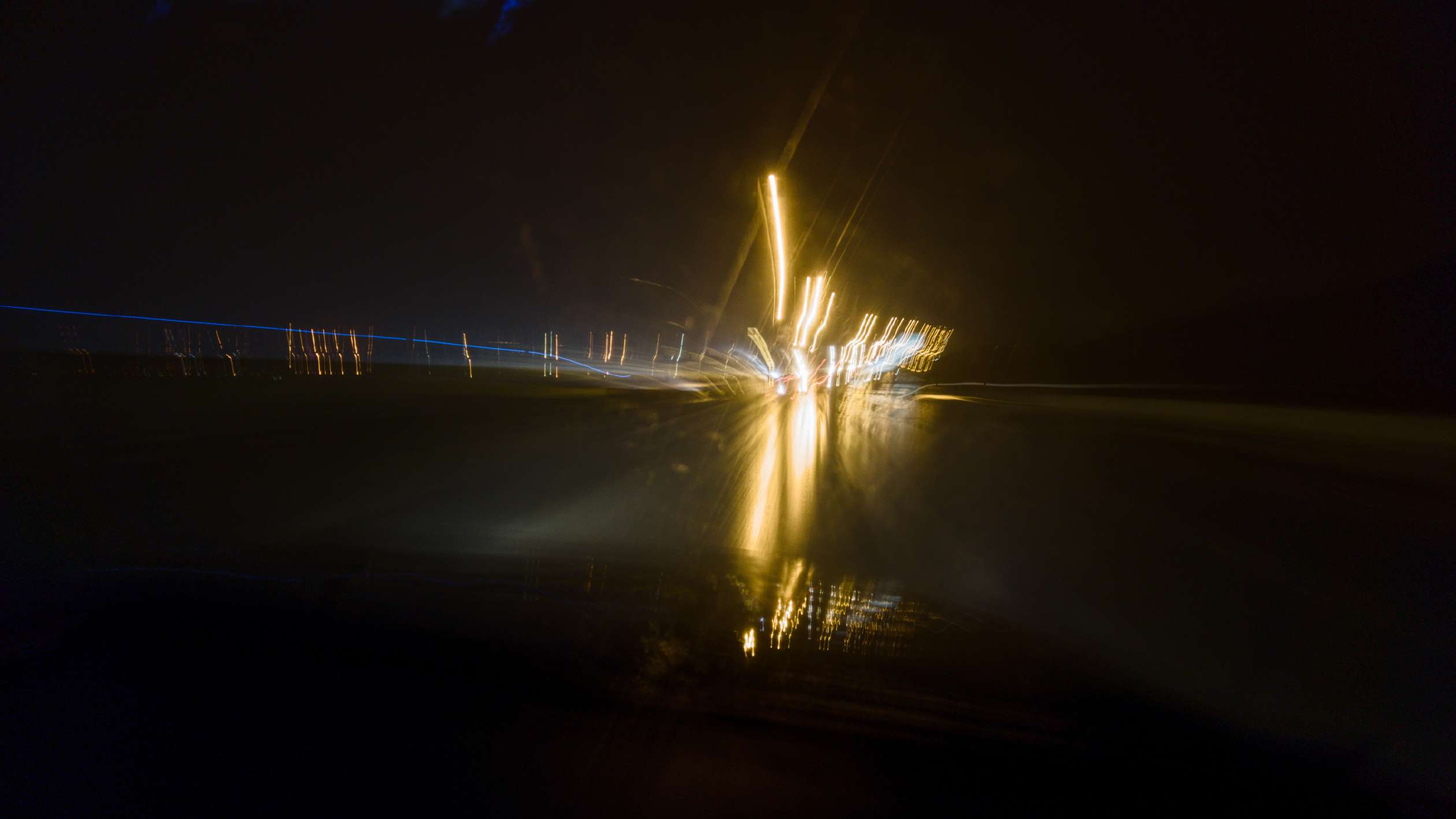
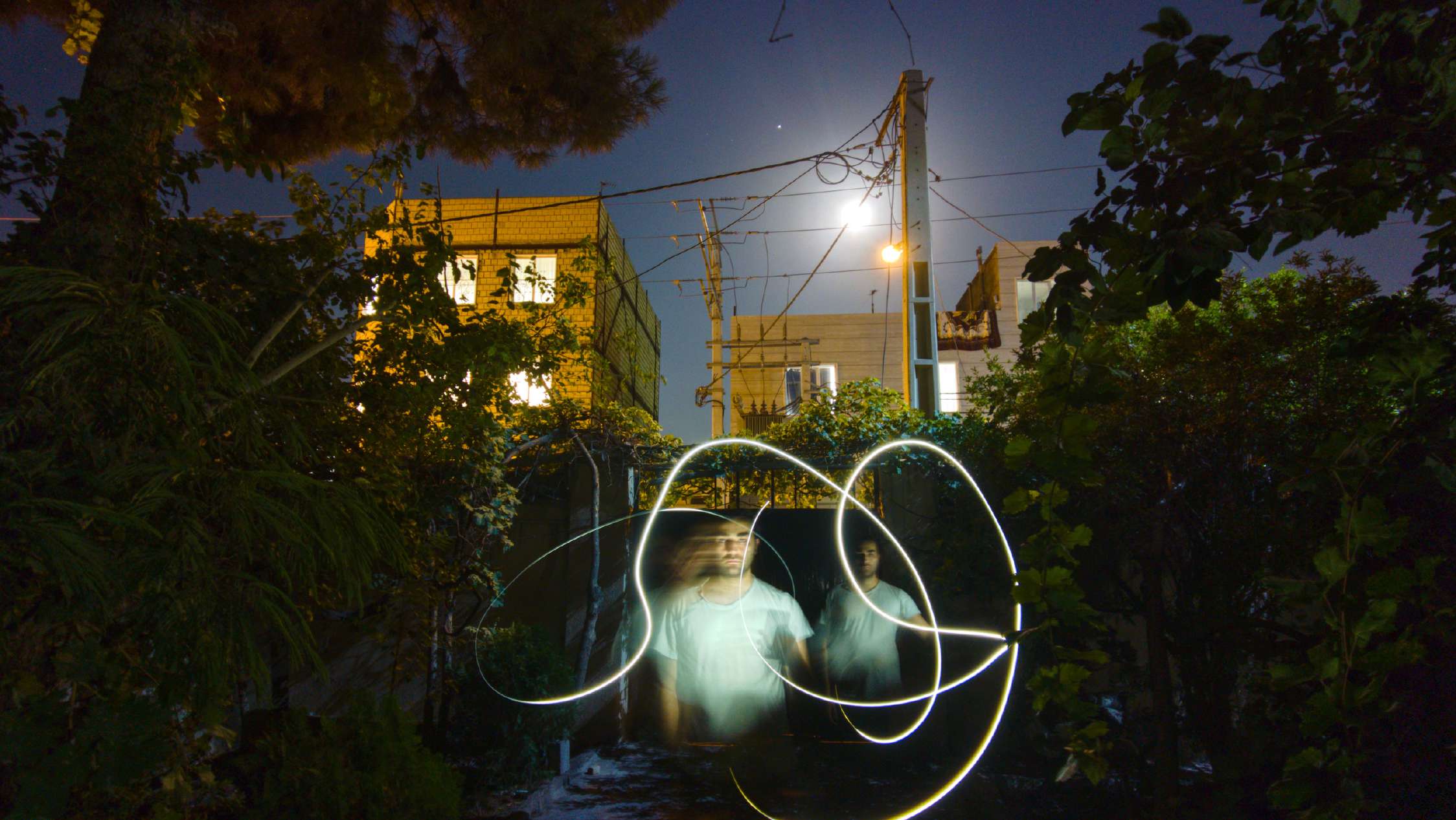
In photography, light and decisive moment were very important to me. At the beginning of my fascination with photography, I became interested in long exposure photography, and then I tried to recreate the decisive moment in a different way for myself. This means that besides the fact that what is in front of the lens at that moment should be important, the most decisive moment for capturing is this moment itself. However, in my view, the photographer's body can have a greater role in creating this moment, beyond just being the one who determines the frame, selects the subject, and presses the shutter. They can look at their camera as an instrument and become the performer themselves. I was trying to surprise myself with physical movements while taking a photo so that everything that had been predetermined would become random and lose their stability.
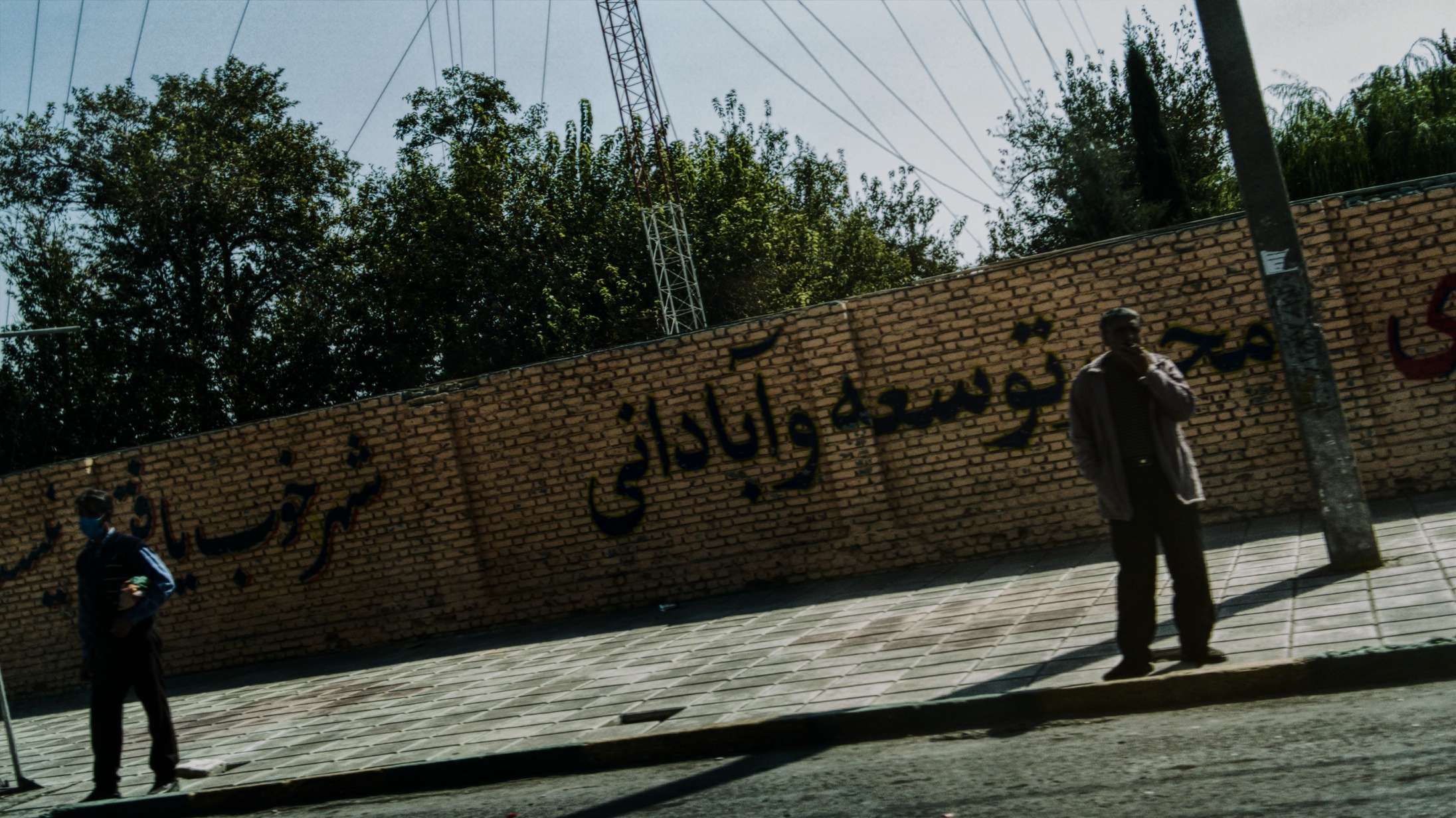
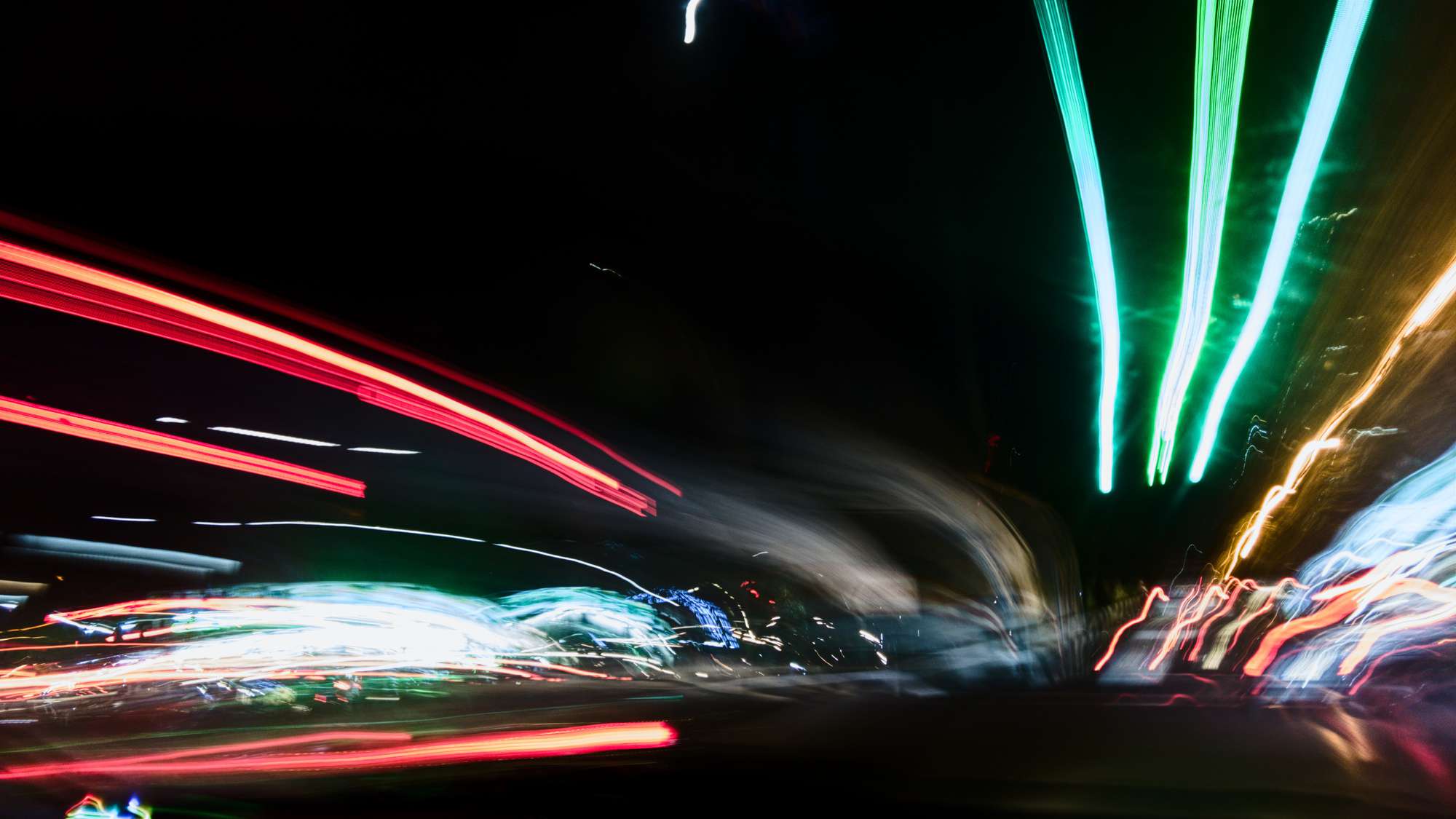
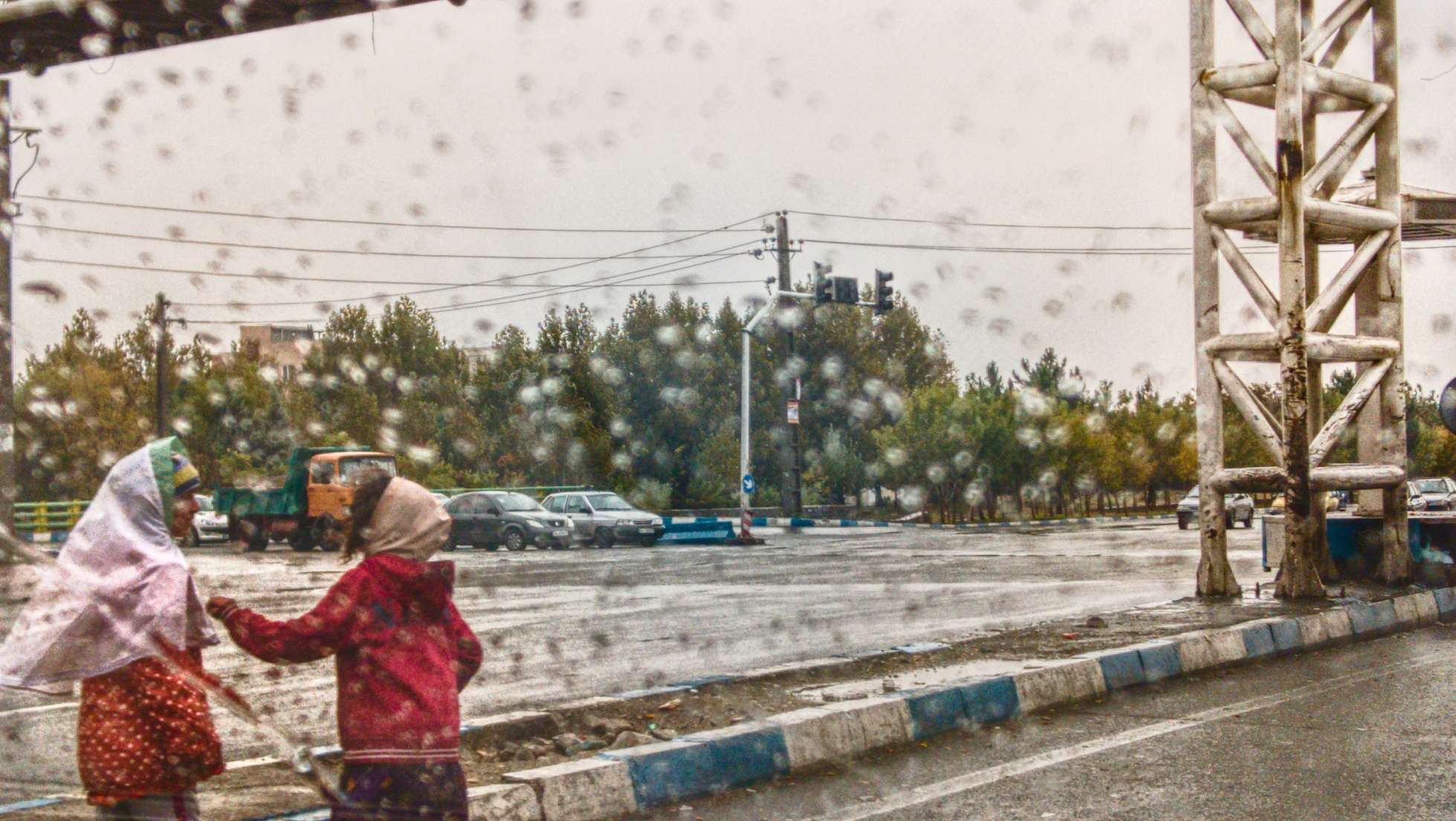
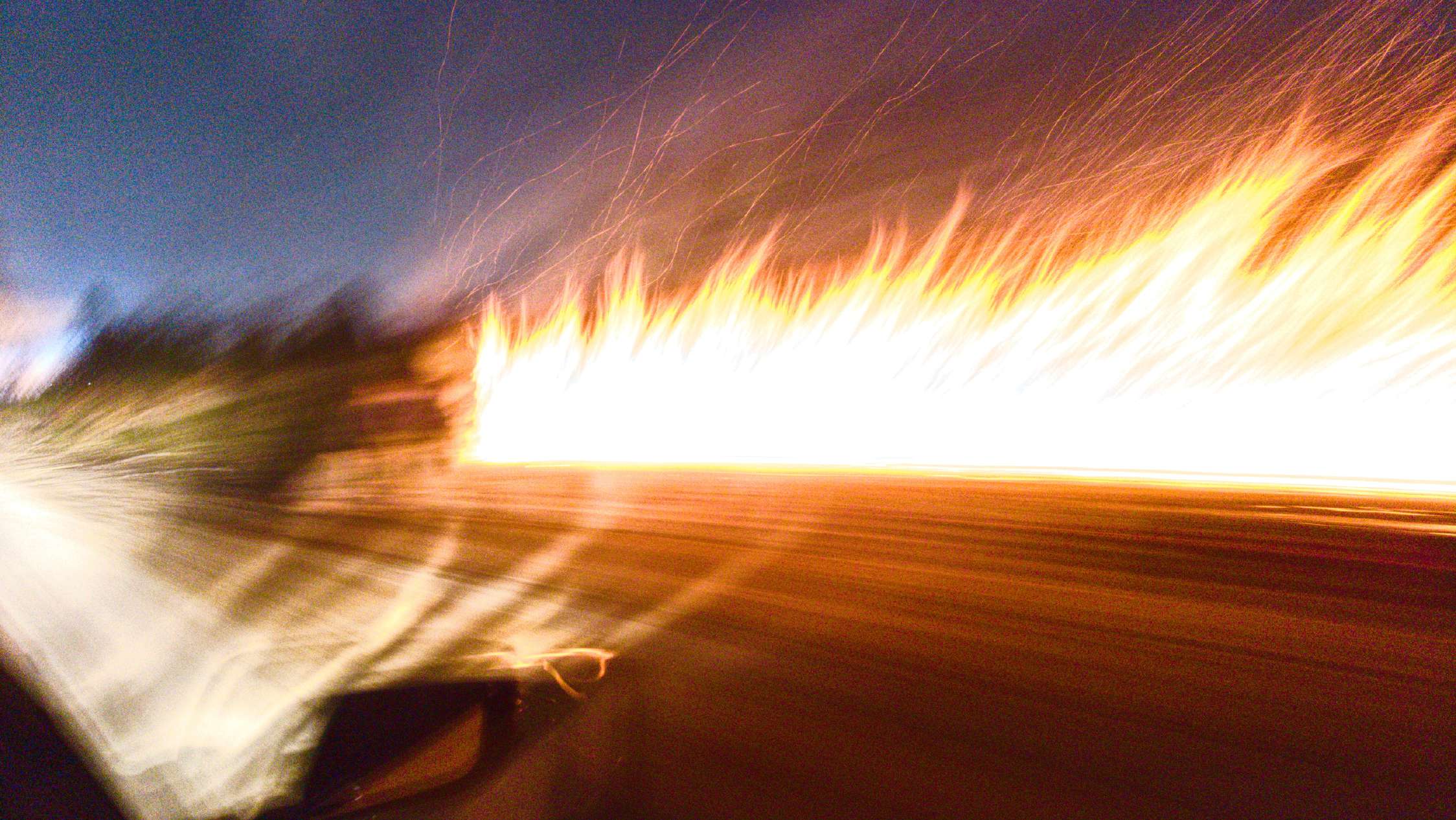
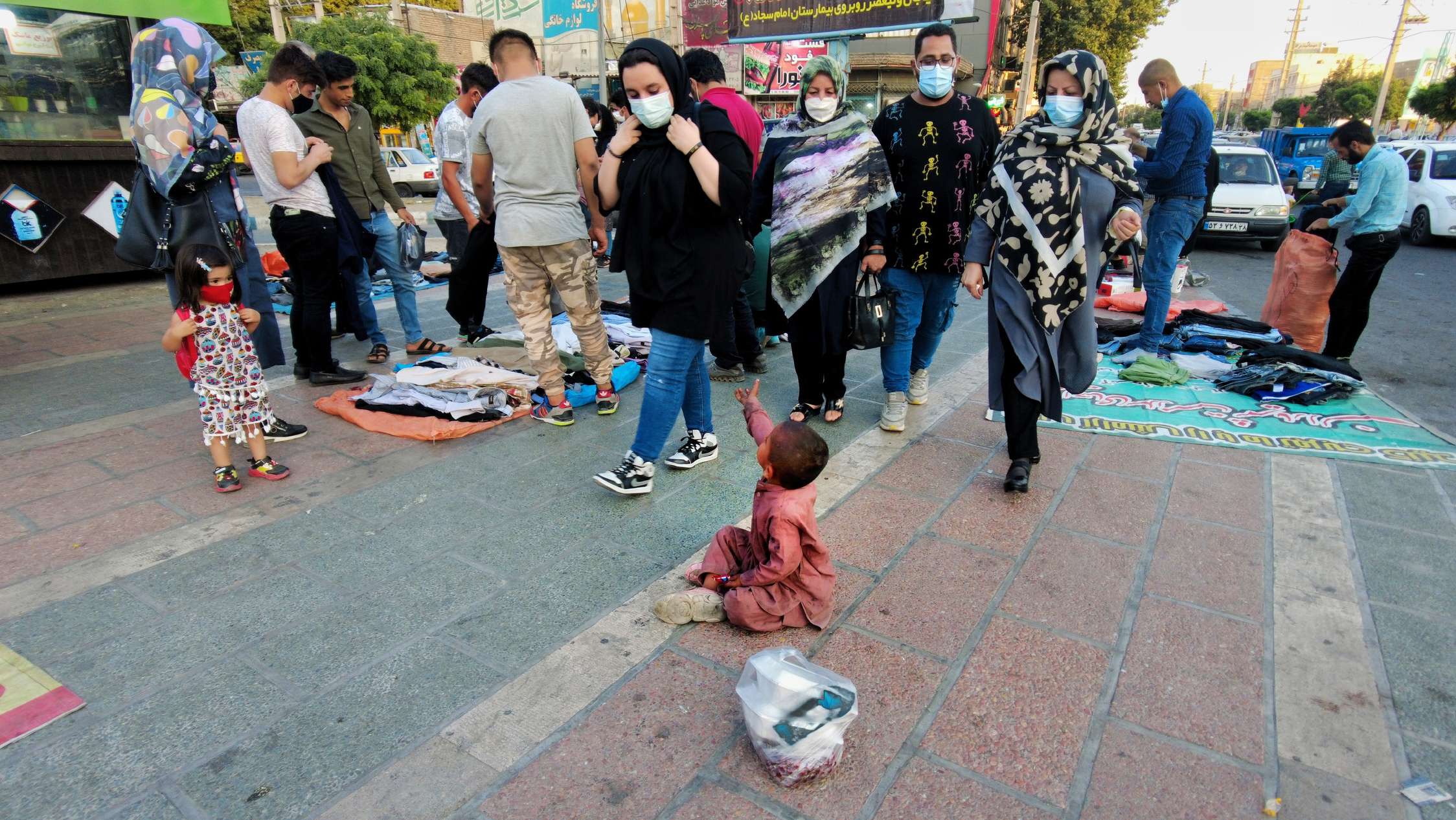
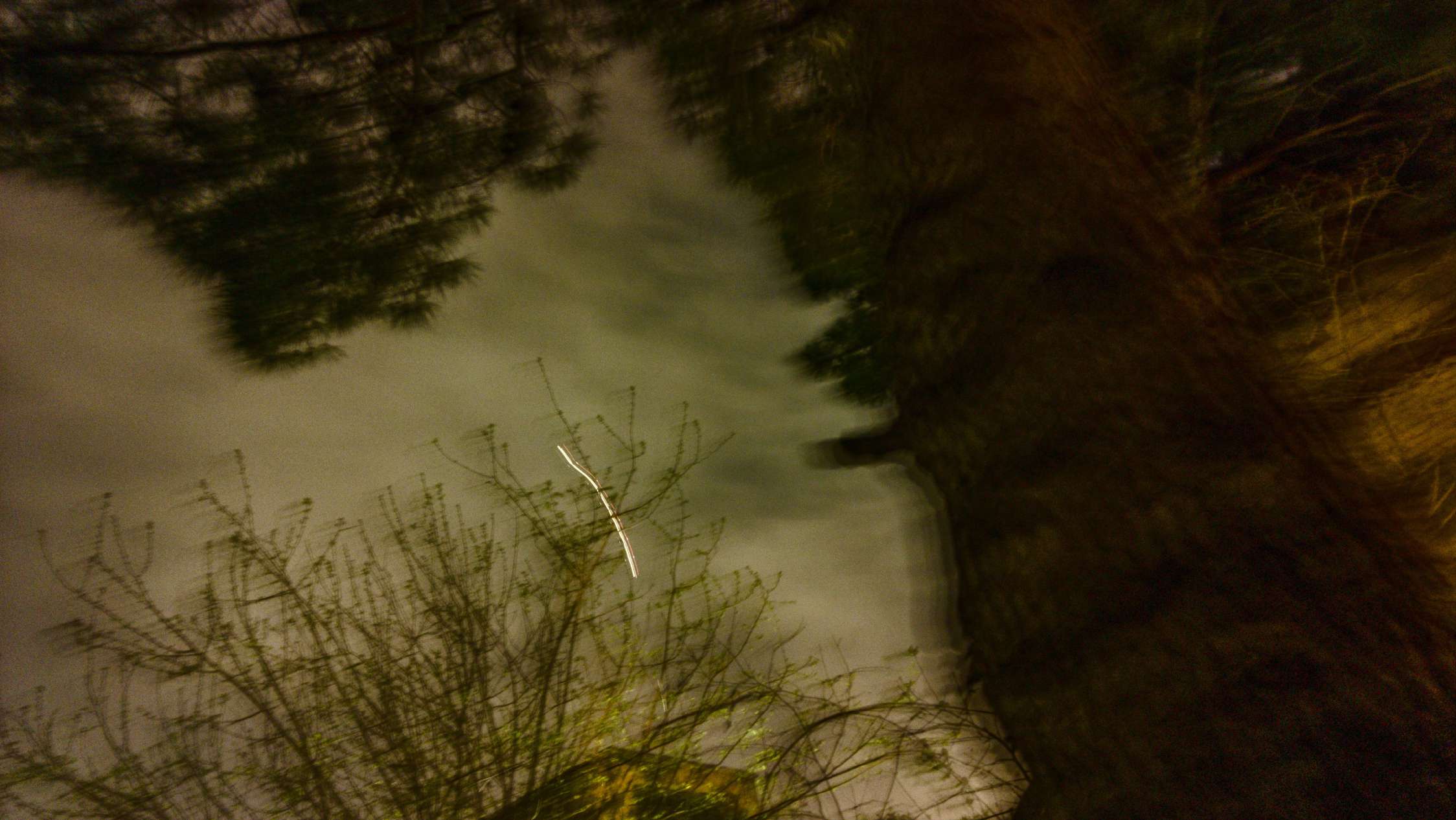
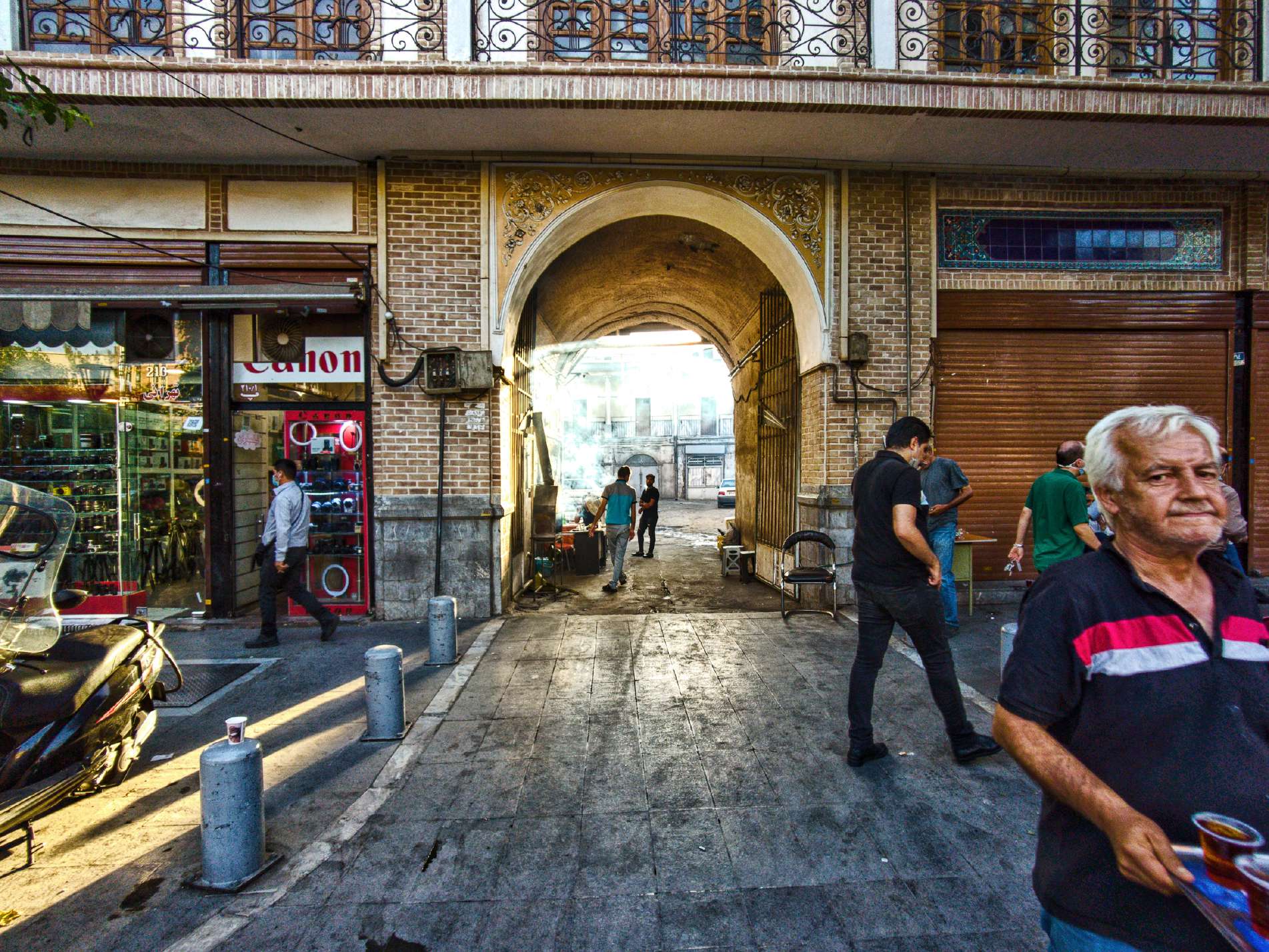
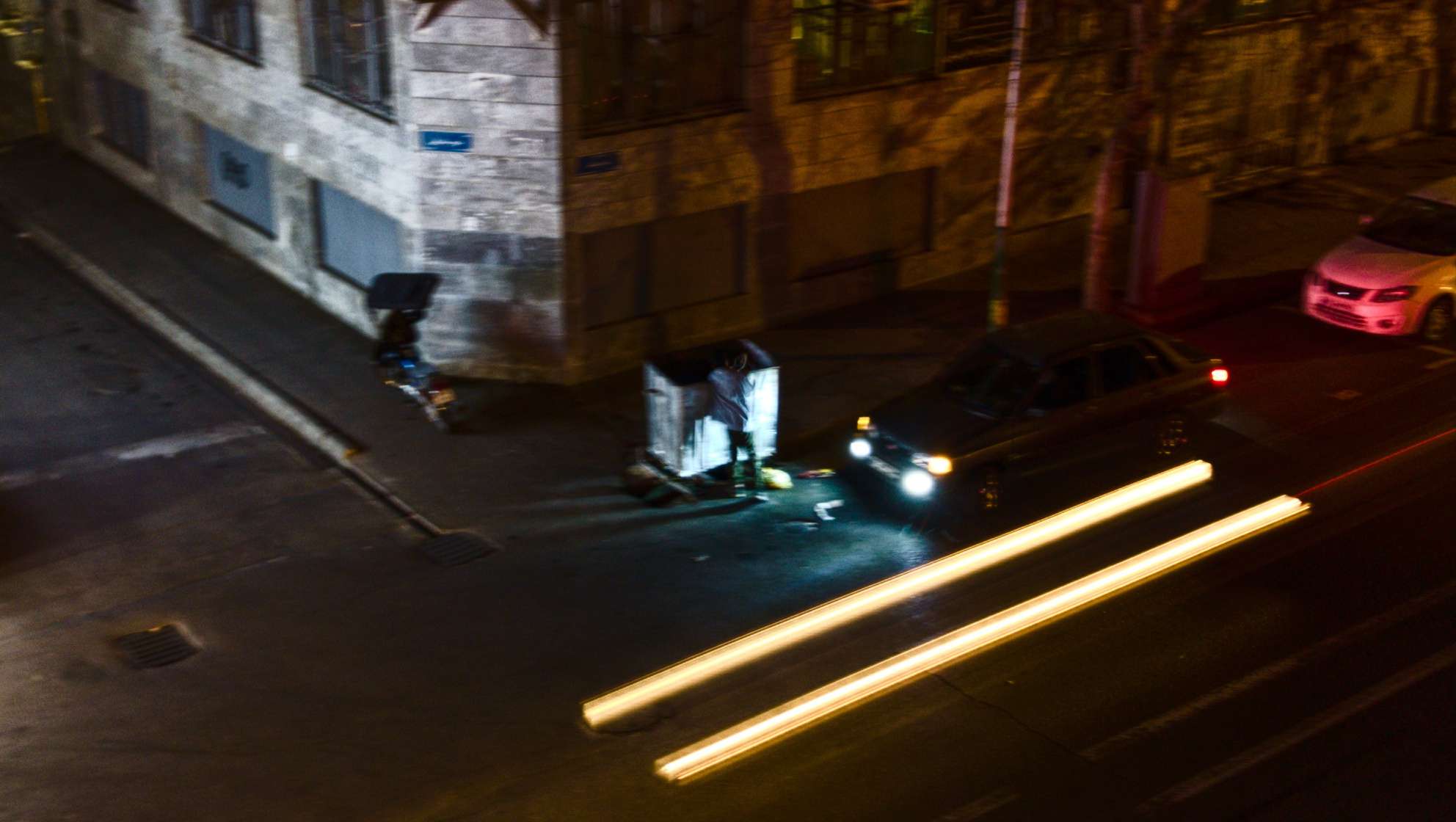
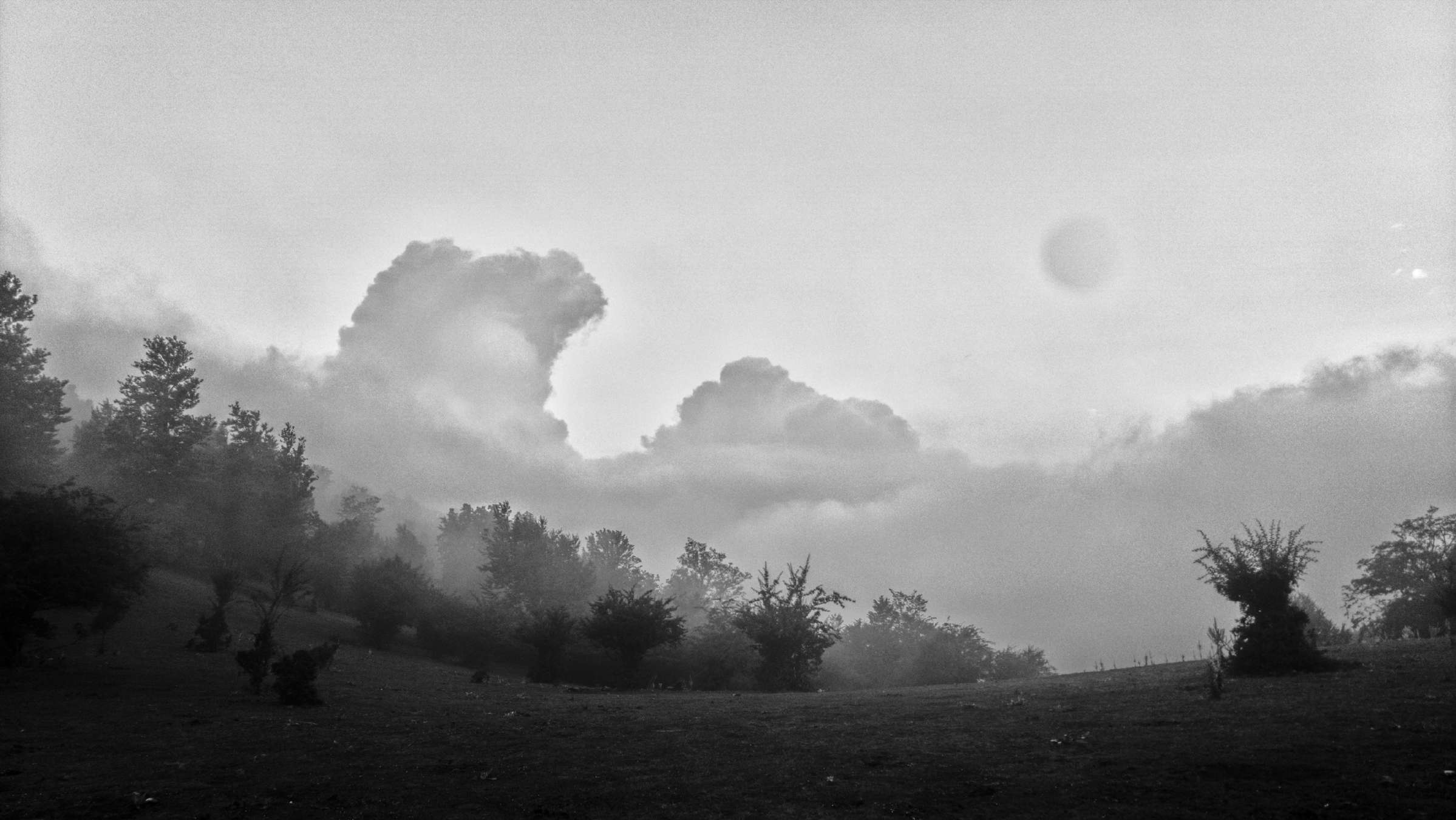
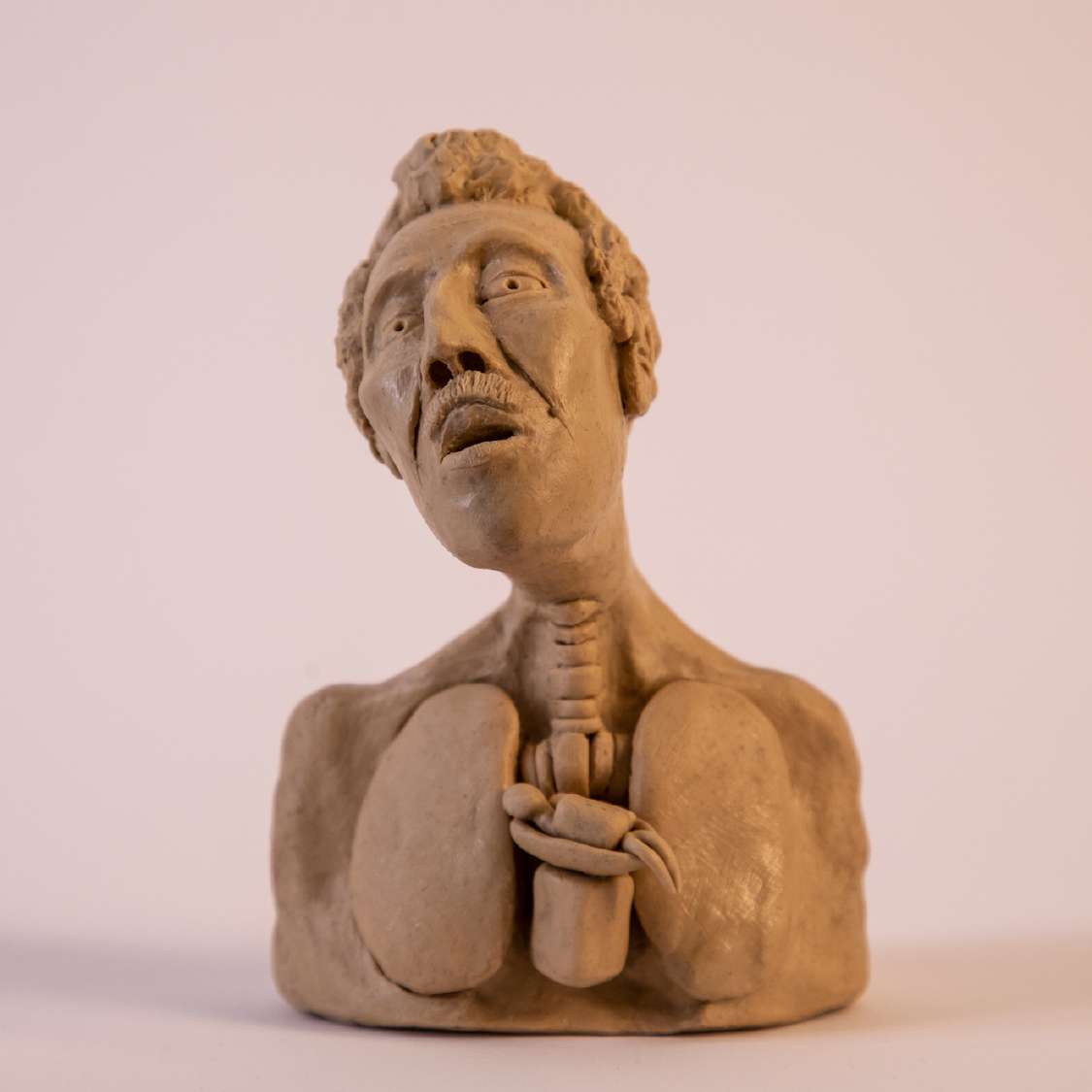
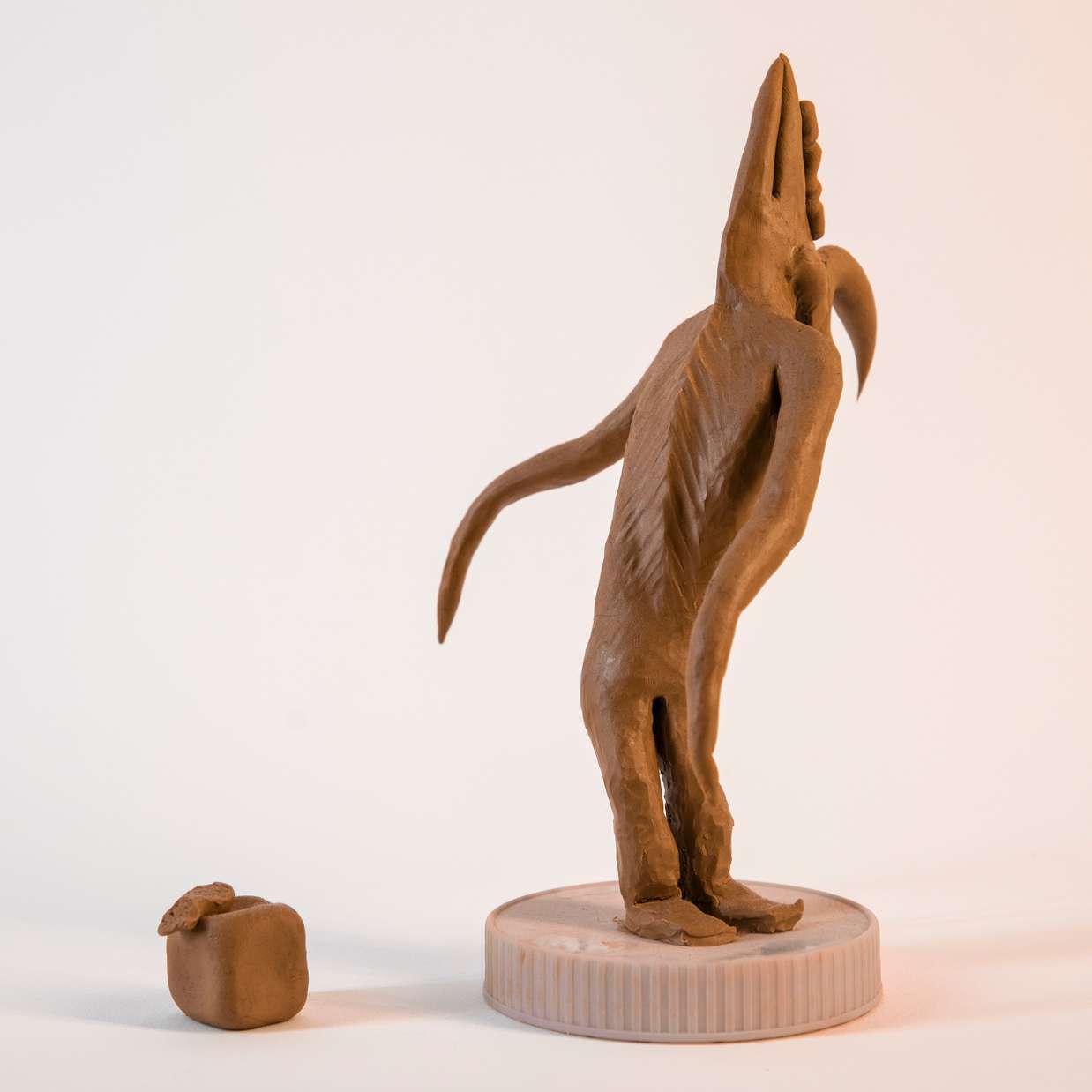
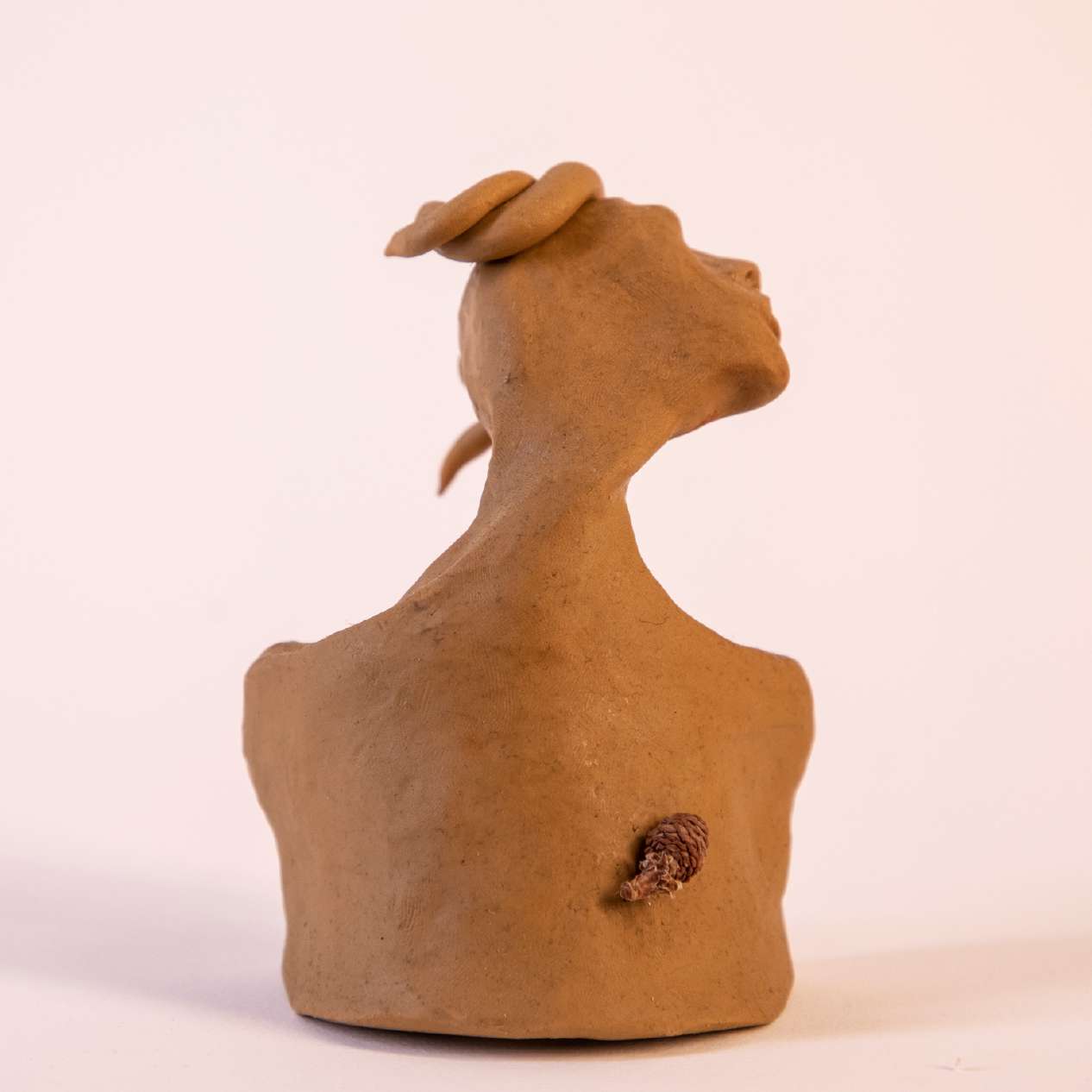
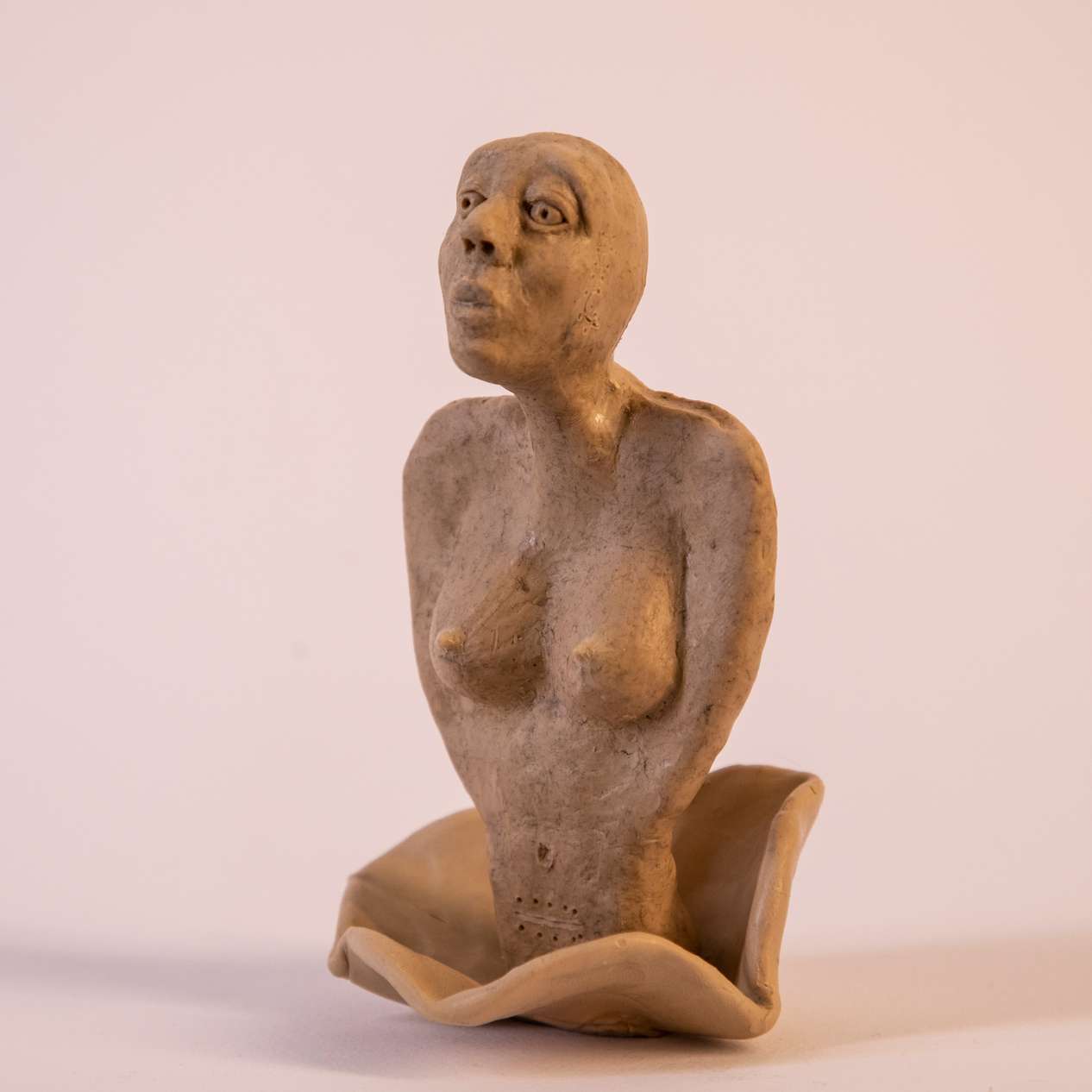
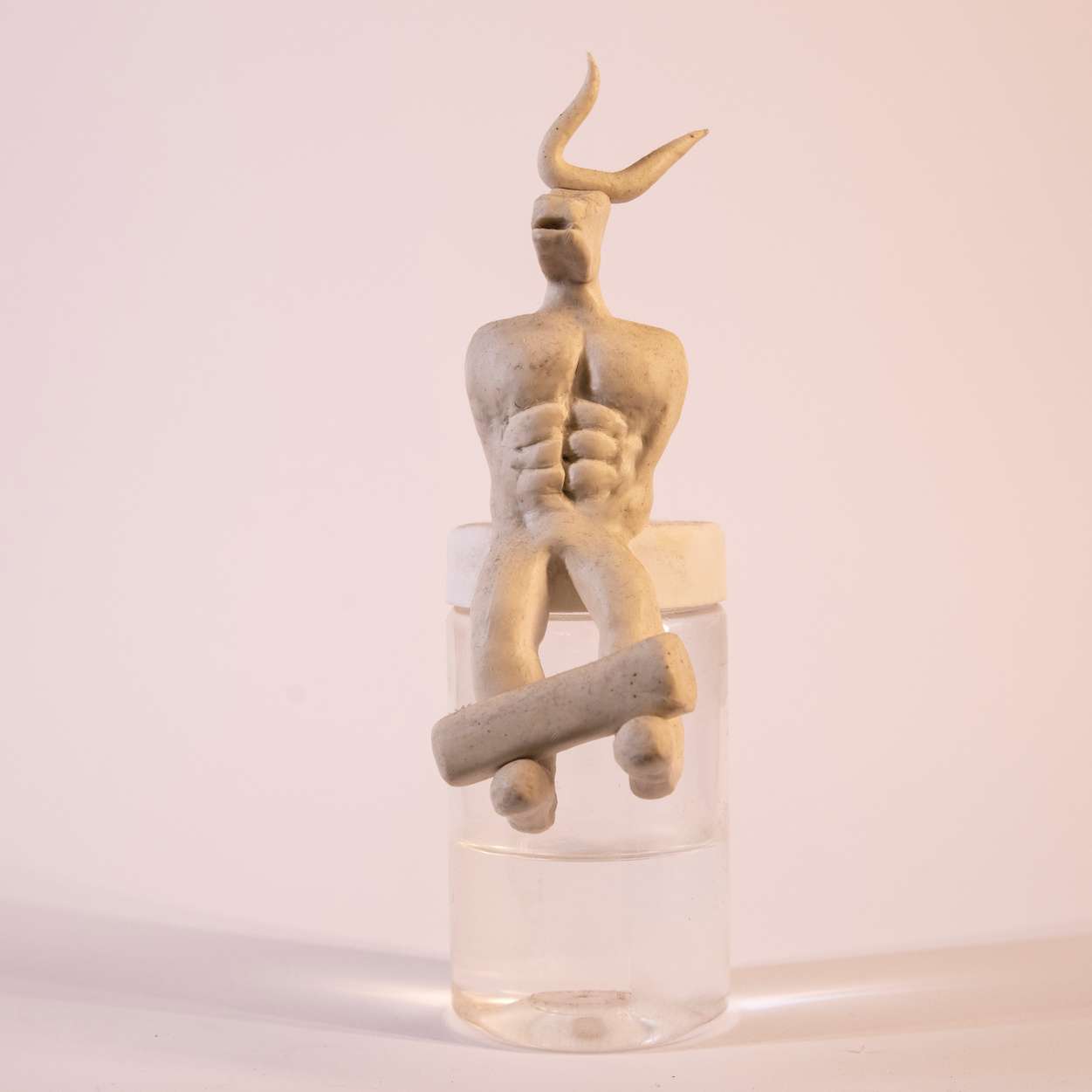
In the midst of the COVID-19 pandemic and the era of lockdown, I initiated my exploration into sculpture as a compelling escape from the prevailing monotony. Devoid of formal instruction, I embarked on a journey of self-discovery, crafting my pieces with a spontaneous and self-inspired approach. Immersed in the creative process, the use of tools and impromptu conceptualization granted me a renewed perspective on the art of improvisation. This venture not only allowed me to streamline the creation of my artworks but also fostered a deeper connection with my own body in the act of sculpting. Embracing improvisation has become an integral part of my artistic practice, shaping my ability to respond to the moment and infuse my creations with an authentic and dynamic energy. Sculpture, for me, is not just about ideation; it's a dance of creativity, spontaneity, and the tactile exploration of form.
Collaborations
Works in which Morteza Zarei contributed as dramaturg, artistic advisor, or consultant.
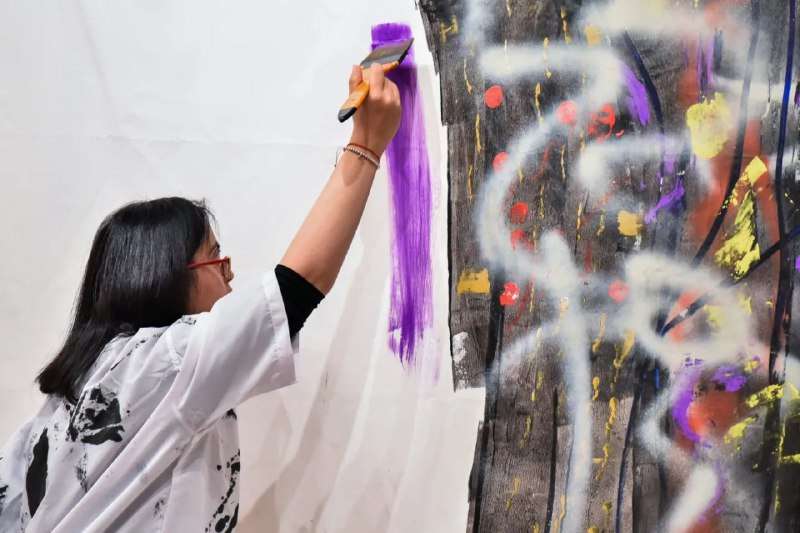
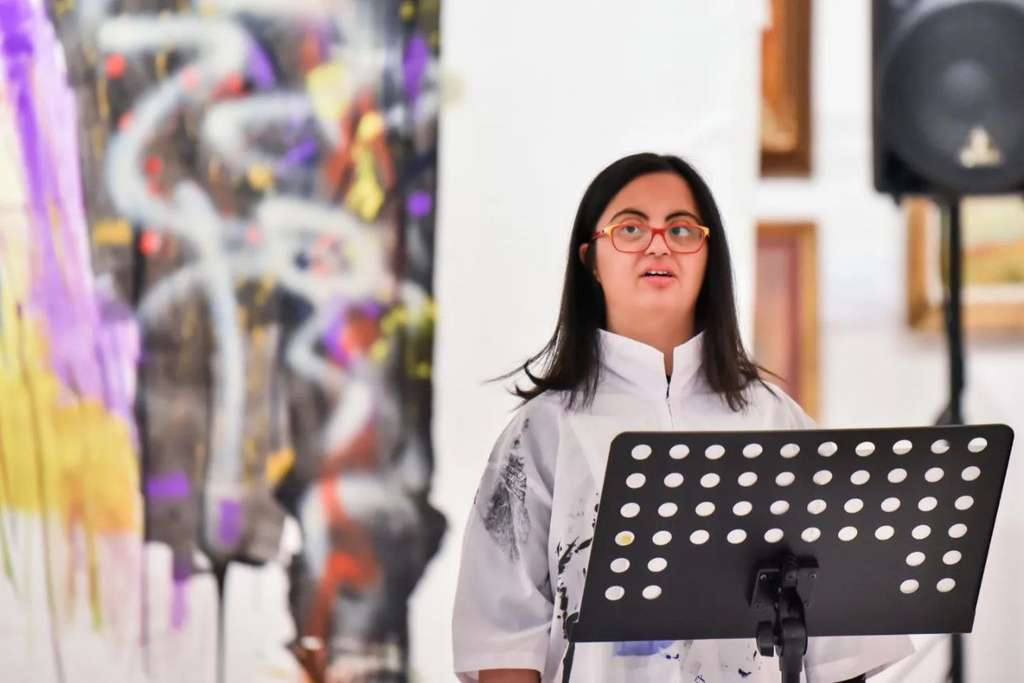
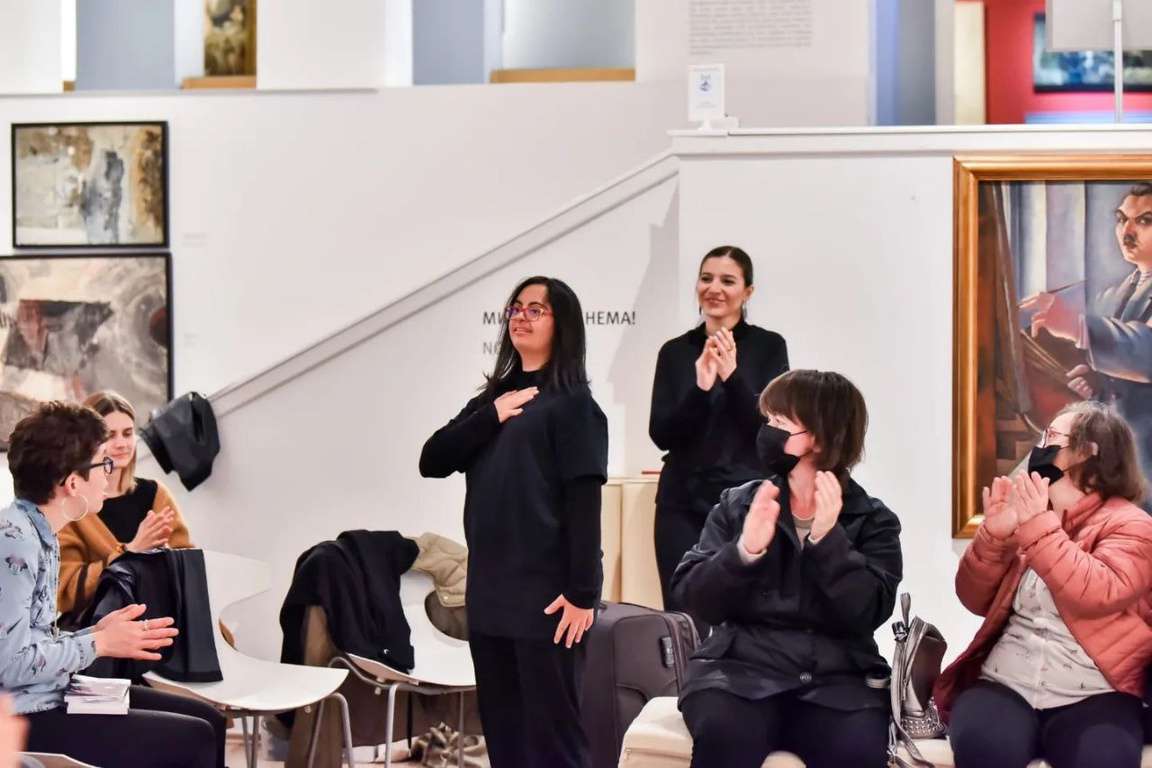
'Libration' was a project that came to life through my deep connection with a group that had been passionately involved in theater with individuals having Down syndrome and autism for many years. Our shared goal was to craft a performance for the Diss Festival, and I was brought on board as an advisor and a dramaturge. However, we faced a significant hurdle — the families of our Down syndrome performers couldn't provide the necessary support for their involvement in our intense rehearsals. As the festival drew closer, one by one, our performers reluctantly stepped away from the group, leaving us with just one dedicated performer.
I strongly believed that we could still create something extraordinary with a smaller team. This belief led me to engage in heartfelt conversations with Mandana, our sole remaining performer. As we delved into her passions, I was amazed to discover her hidden talents. Beyond her love for acting, Mandana had been diligently attending screenwriting classes for years, and she had crafted several compelling screenplays.
I encouraged her to share her written works with me. We also explored her interest in painting, and gradually, she started sharing her remarkable poems. With each revelation, it became increasingly clear that her poetry possessed a unique brilliance that deserved a global audience. In response, I suggested to the directors the innovative idea of incorporating a sizable canvas on the stage, convinced that the heart of our performance lay within Mandana's diverse interests. Our performance would feature her reciting poetry, interwoven with the artistry of painting.
For me, 'Libration' represents an incredible artistic journey and a testament to collaboration with a resilient group. Despite the challenges, they didn't just appreciate their inherent talents; they found inspiration in the act of creation, transformation, and rebirth.
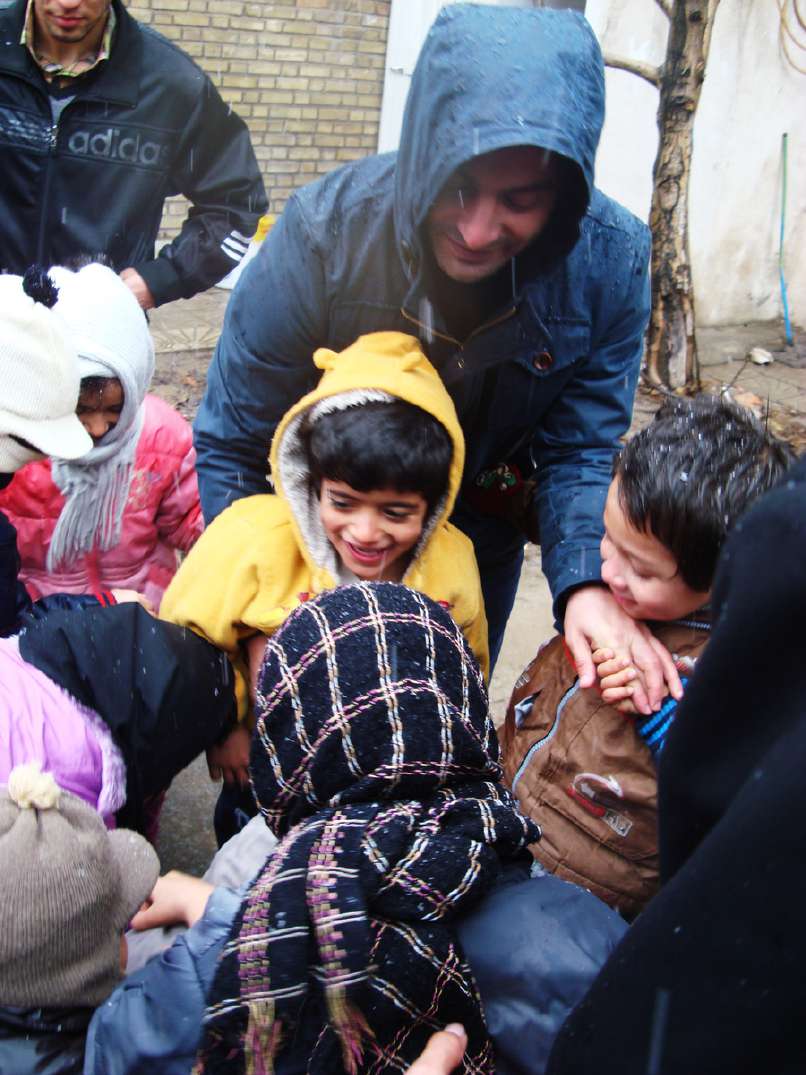
Since 2009, I began working as a mentor and teacher of experimental science with NGOs and institutions that worked for Child Labourers and Afghan immigrants. Later on, we practiced creating and performing processes with children.
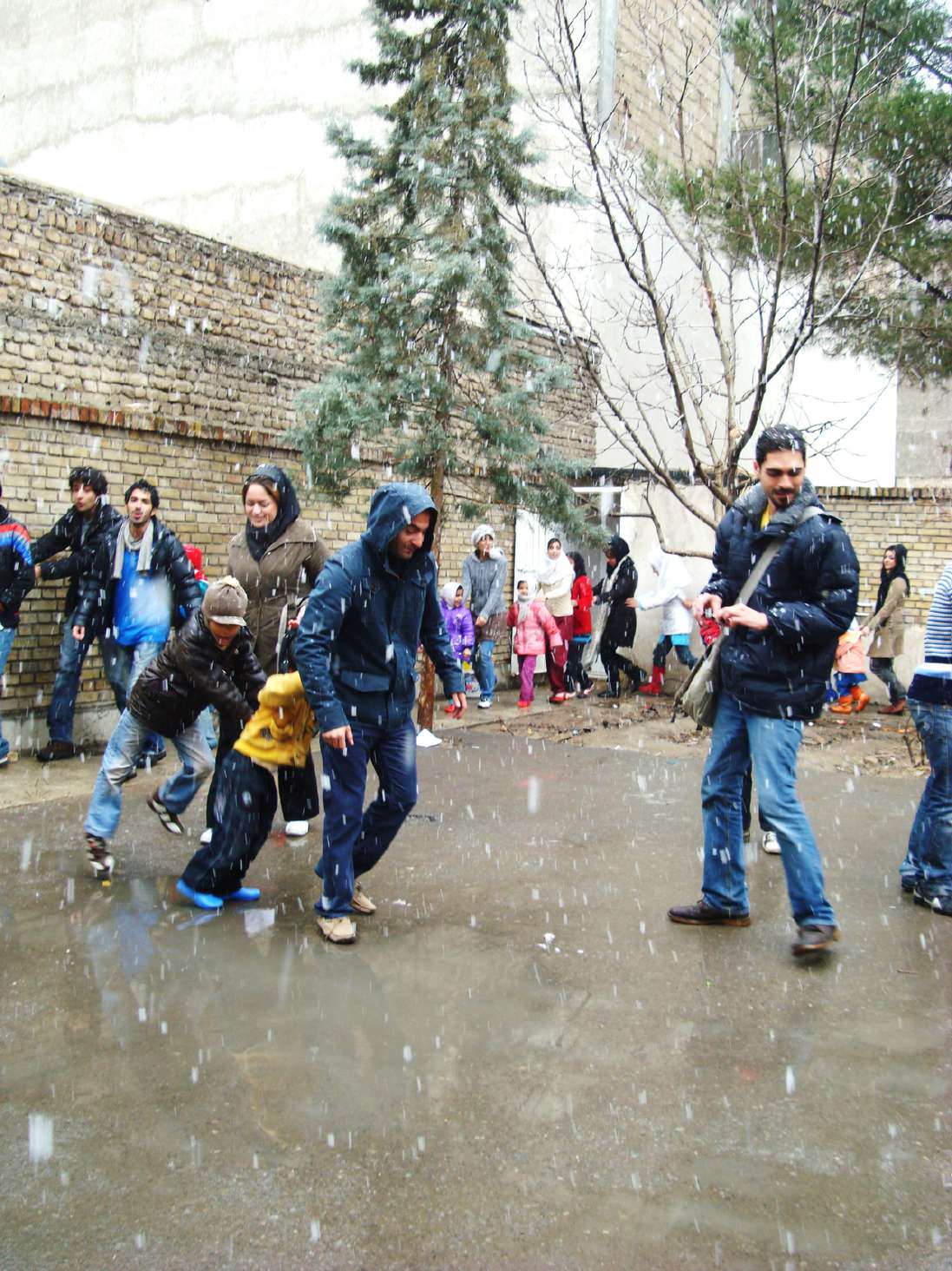
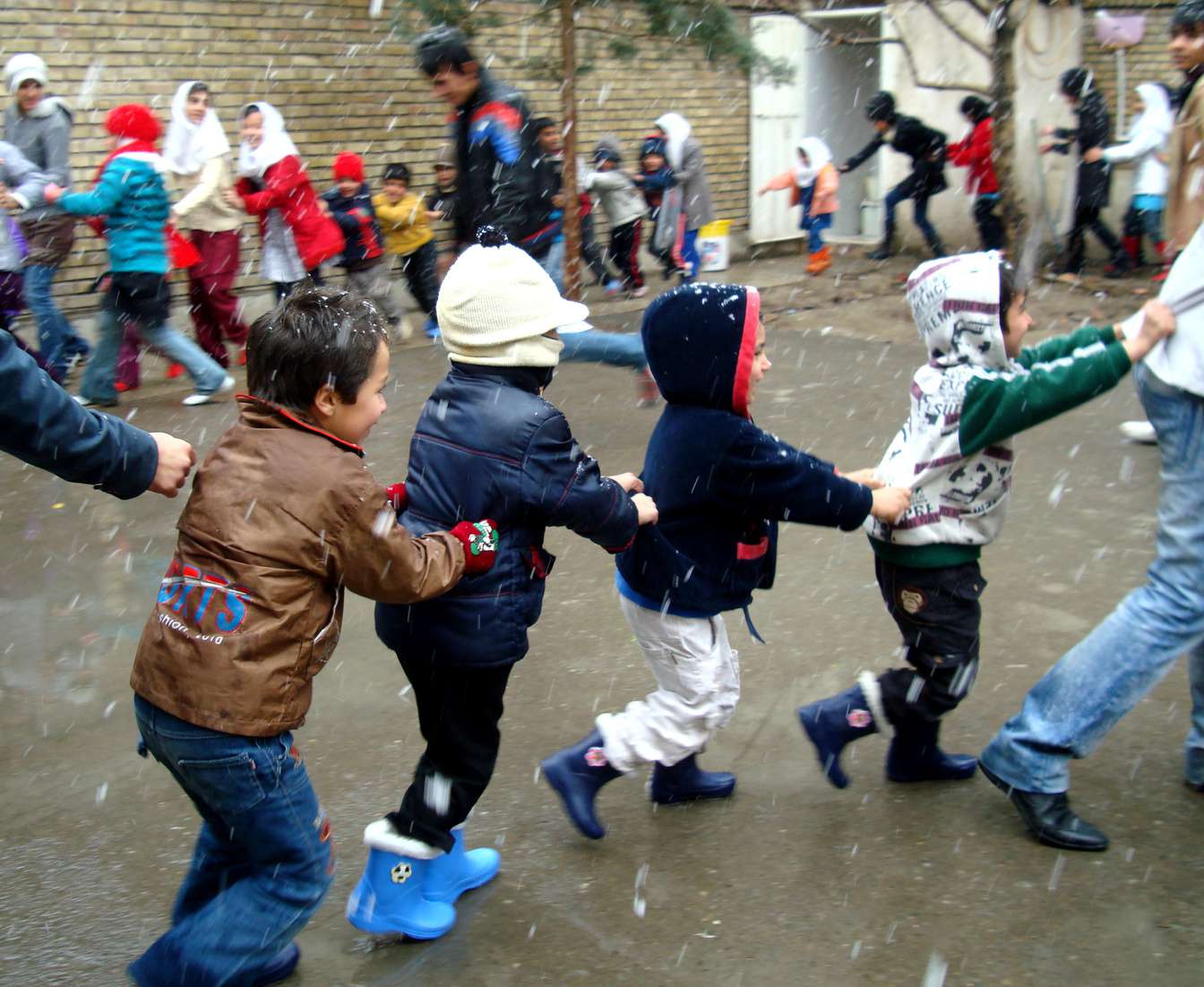
These exercises were based on interaction, aiming to teach children ways other than violence and negative thoughts and actions that could harm themselves or others in their relationships with their environment. The exercises had to be more like a game, so that the children would not regret participating in the creating process. This interactive exercise had achieved a result, which was breaking down barriers. Sometimes we would make games in the valleys of old buildings where the institution was located, and at other times, we would be in the courtyard of the building, expanding participation and, at the same time, playing/showing what we had created.
In 2010, in collaboration with Yas, a famous rapper, we performed a show that was designed based on these games. This performance progressed in such a way that it was no longer possible to determine who the audience members were and who the performers were. Ultimately, this ceremony/show ended with everyone holding hands and spinning under the snowfall.
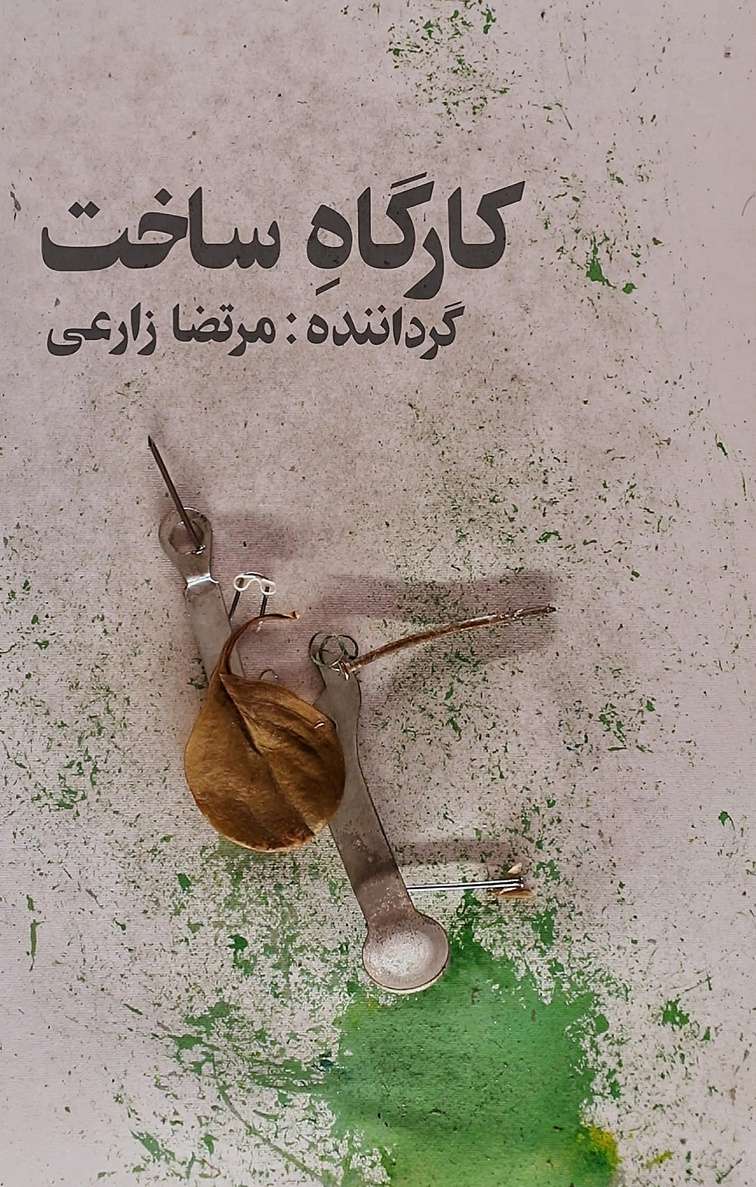
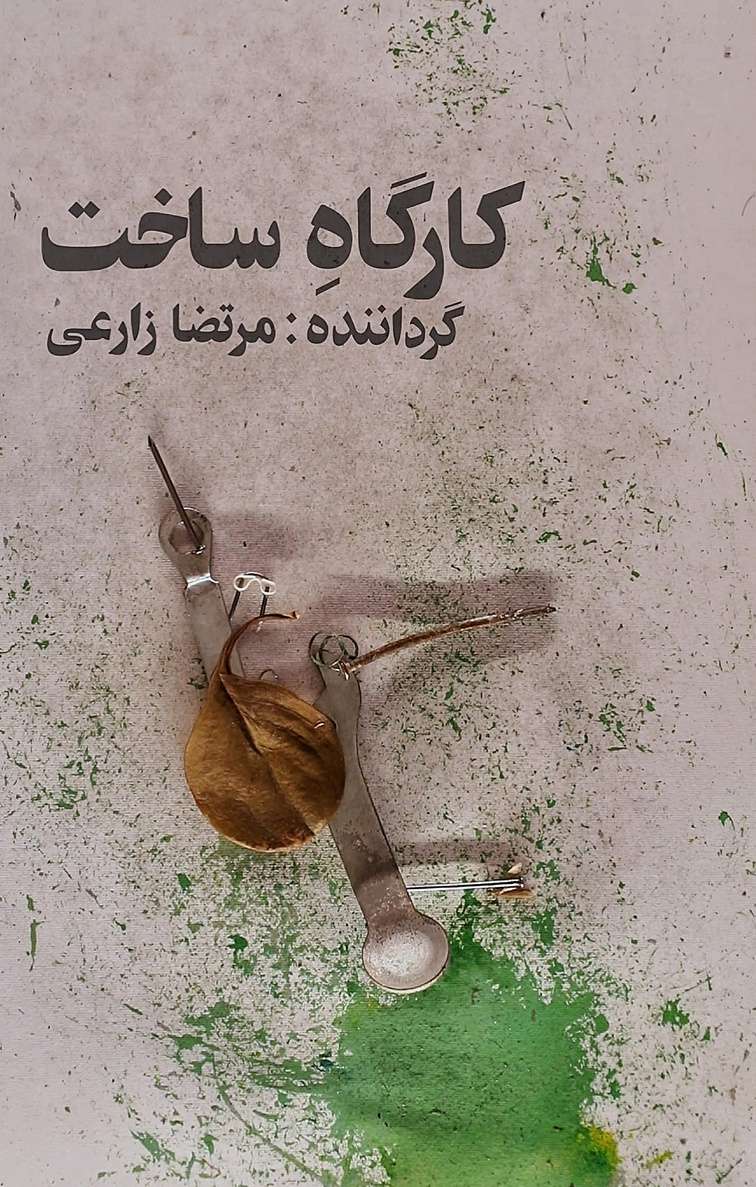
In this workshop, we explore the art of creation by delving into the intricate systems that underlie it. By choosing a simple system and focusing on building an artwork in all stages, participants gain a deeper understanding of the creative process. Throughout the workshop, we learn how to analyze and build systems that include a beginning, middle, and end, as well as how to disassemble and assemble all parts of the systems without compromising its quality. As we practice seeing, hearing, touching, smelling, and tasting more accurately, we develop our ability to understand and analyze systems with patience, careful observation, and attention to detail and overall themes. Ultimately, this workshop equips participants with the tools and knowledge to approach their own artistic endeavors with greater precision and creativity.
CV
Contact
To activate the contact form, replace YOUR_FORMSPREE_ID in the HTML with your Formspree form ID from formspree.io